How to use liqueurs?
Liqueurs offer remarkable versatility, making them essential additions to any spirits collection. Their aromatic richness and diverse flavors allow them to be enjoyed in many situations. While some are classic, others offer a great deal of uniqueness and originality.
Liqueurs for classic cocktails
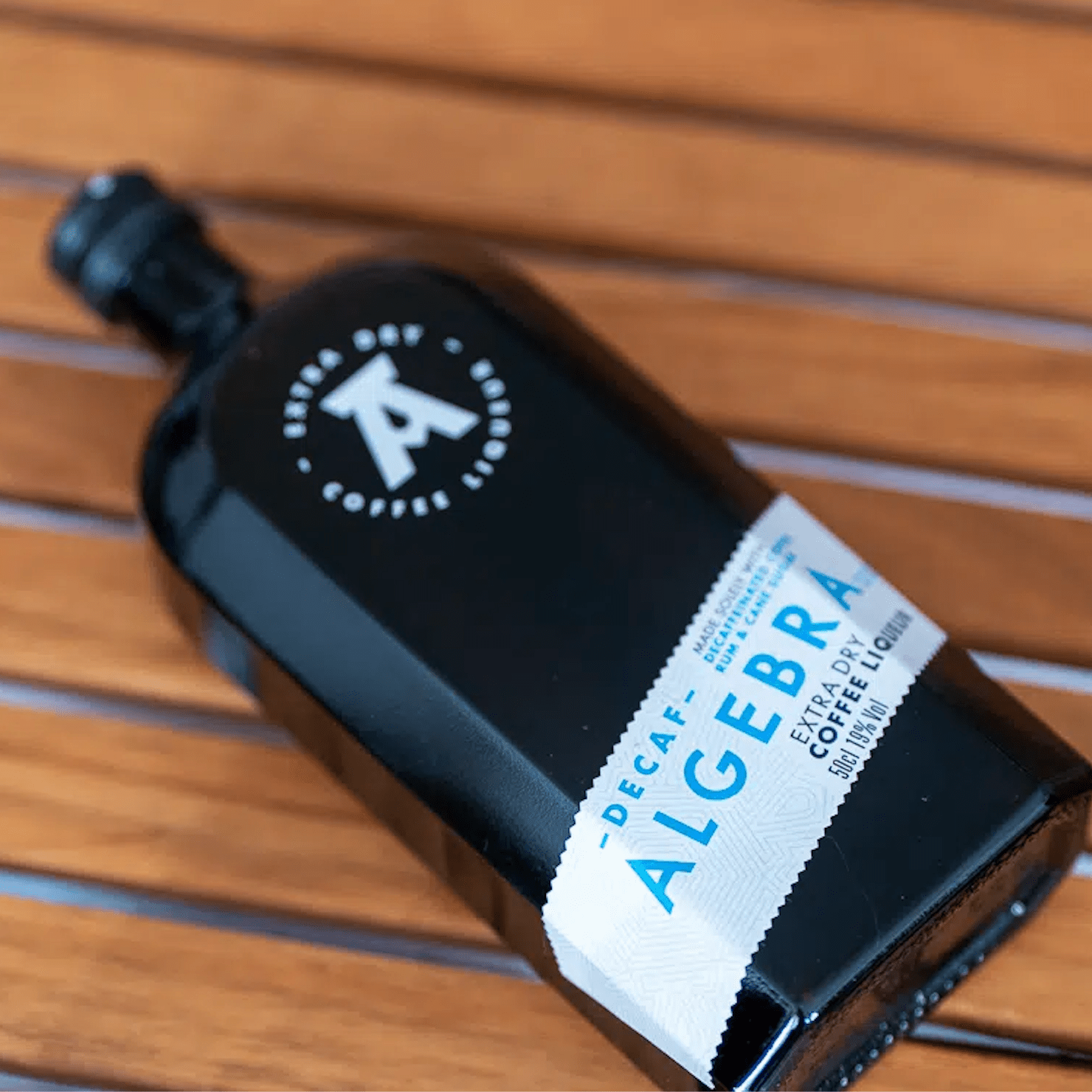
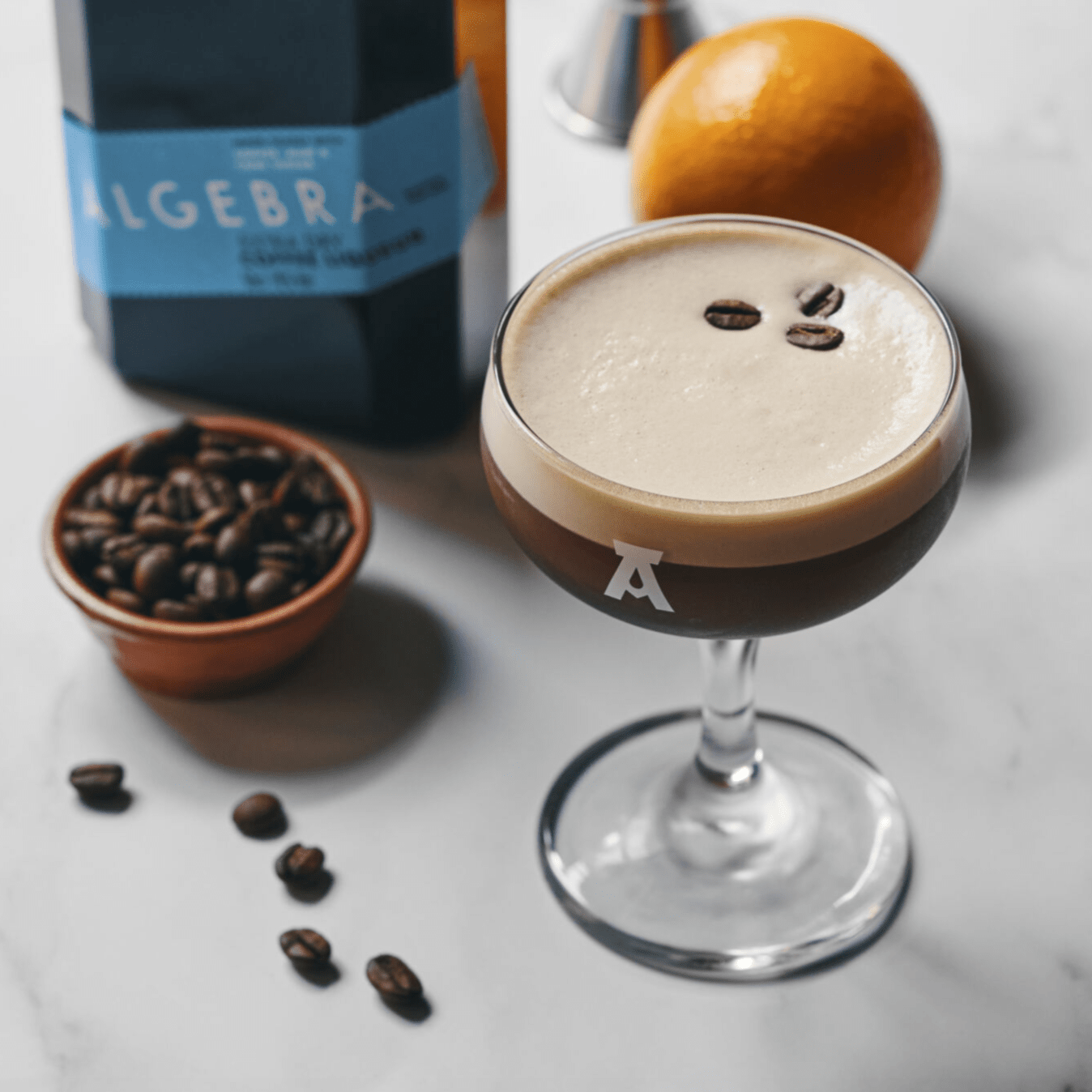
Liqueurs form the basis of many iconic cocktails that have stood the test of time. The Margarita is defined by orange liqueur, which lends its fruity roundness to the tequila.SpritzA true symbol of the Italian art of living, Kir perfectly marries the bitterness of the alcohol with the freshness of Prosecco. Kir, the quintessential Burgundian cocktail, enhances the white wine with the addition of blackcurrant liqueur.Espresso MartiniAs for him, he revolutionized the world of cocktails by combining coffee liqueur with vodka for a unique taste experience.
Liqueurs for modern cocktails
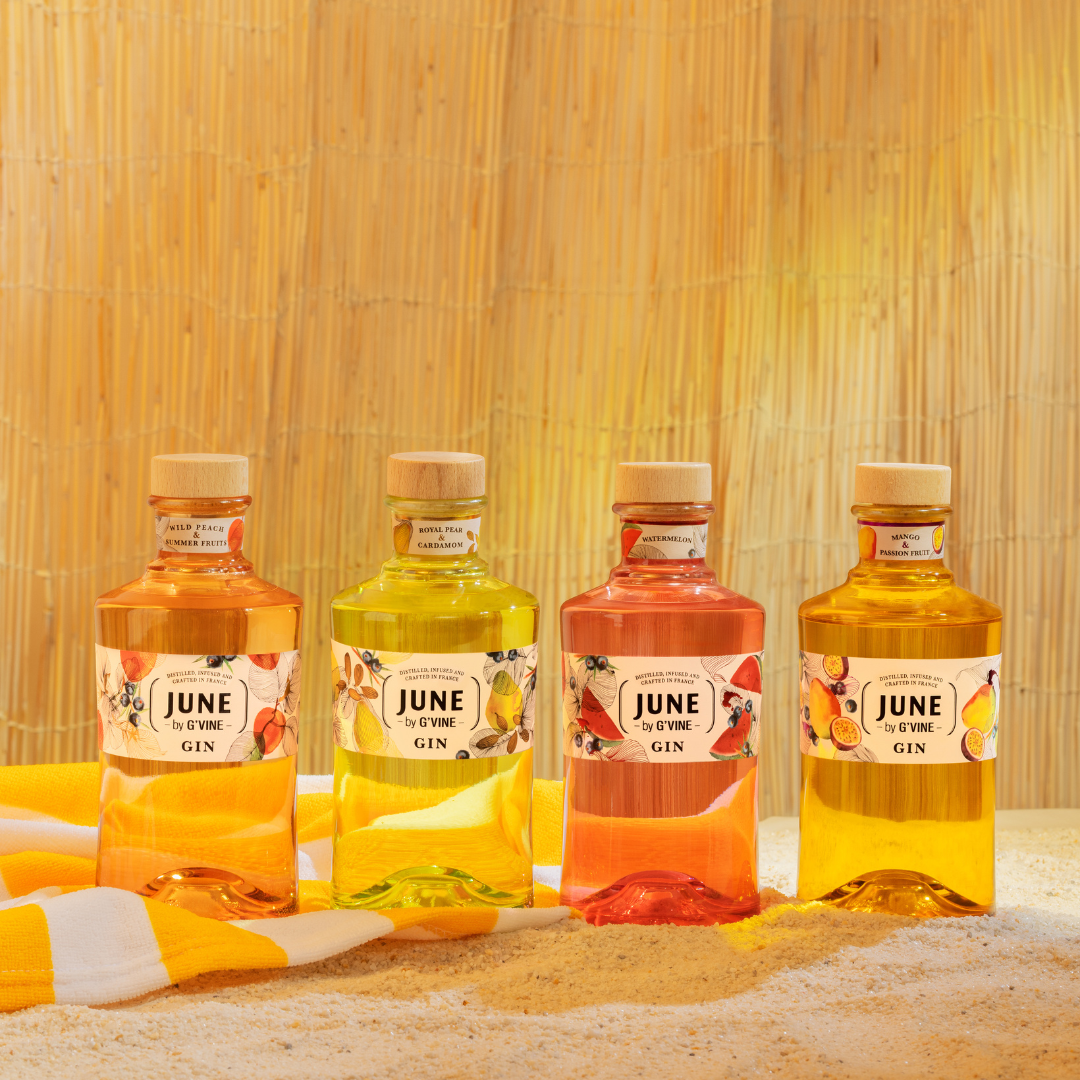
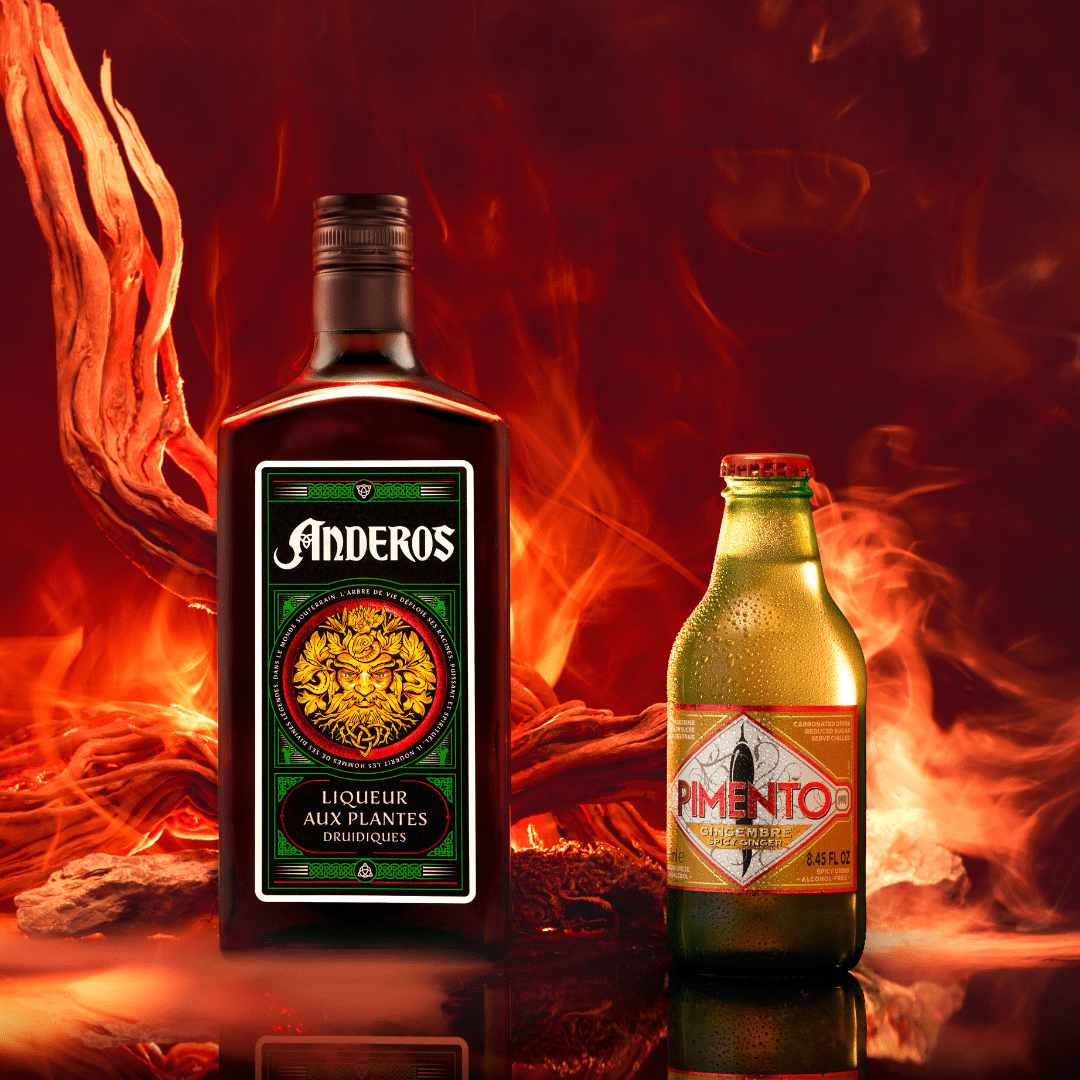
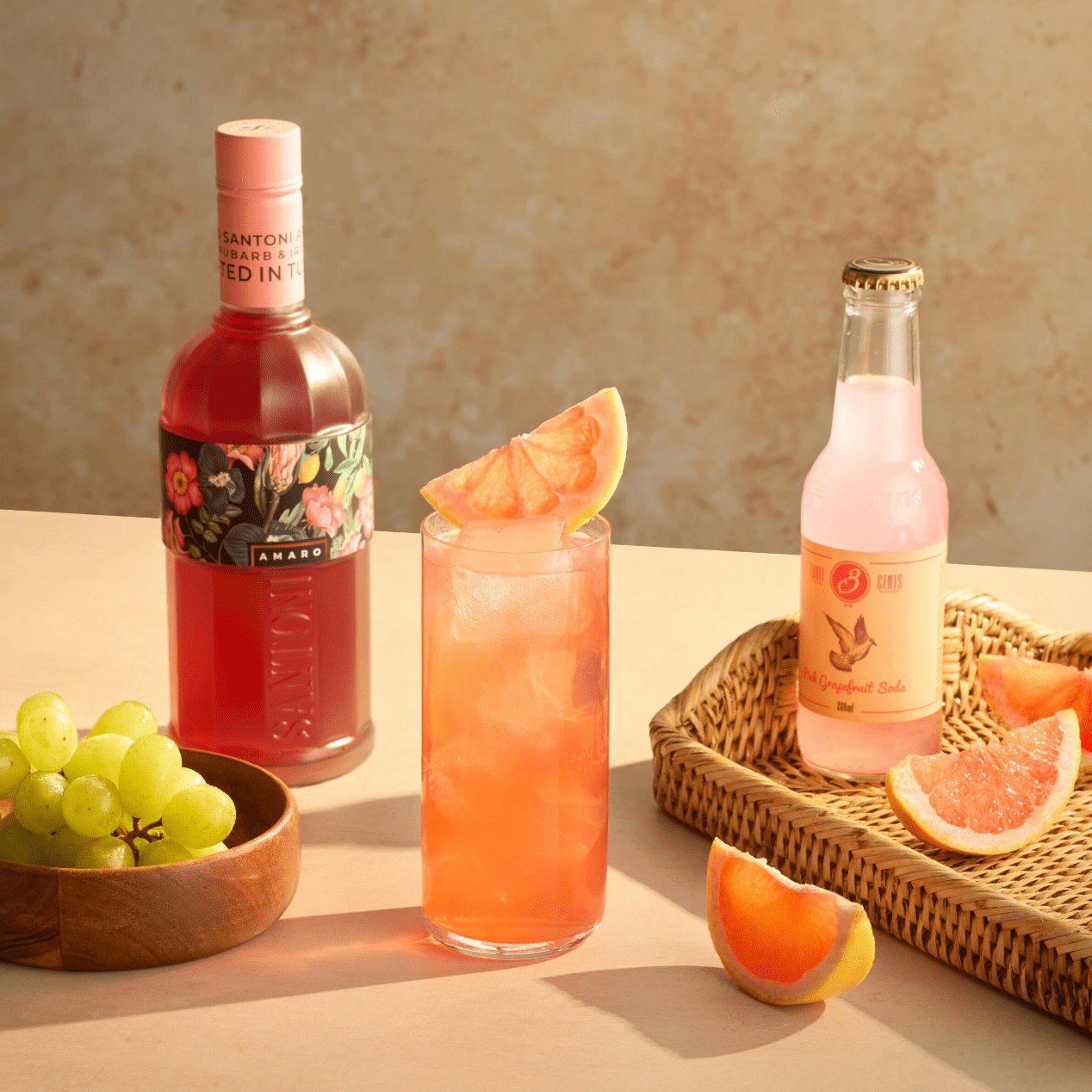
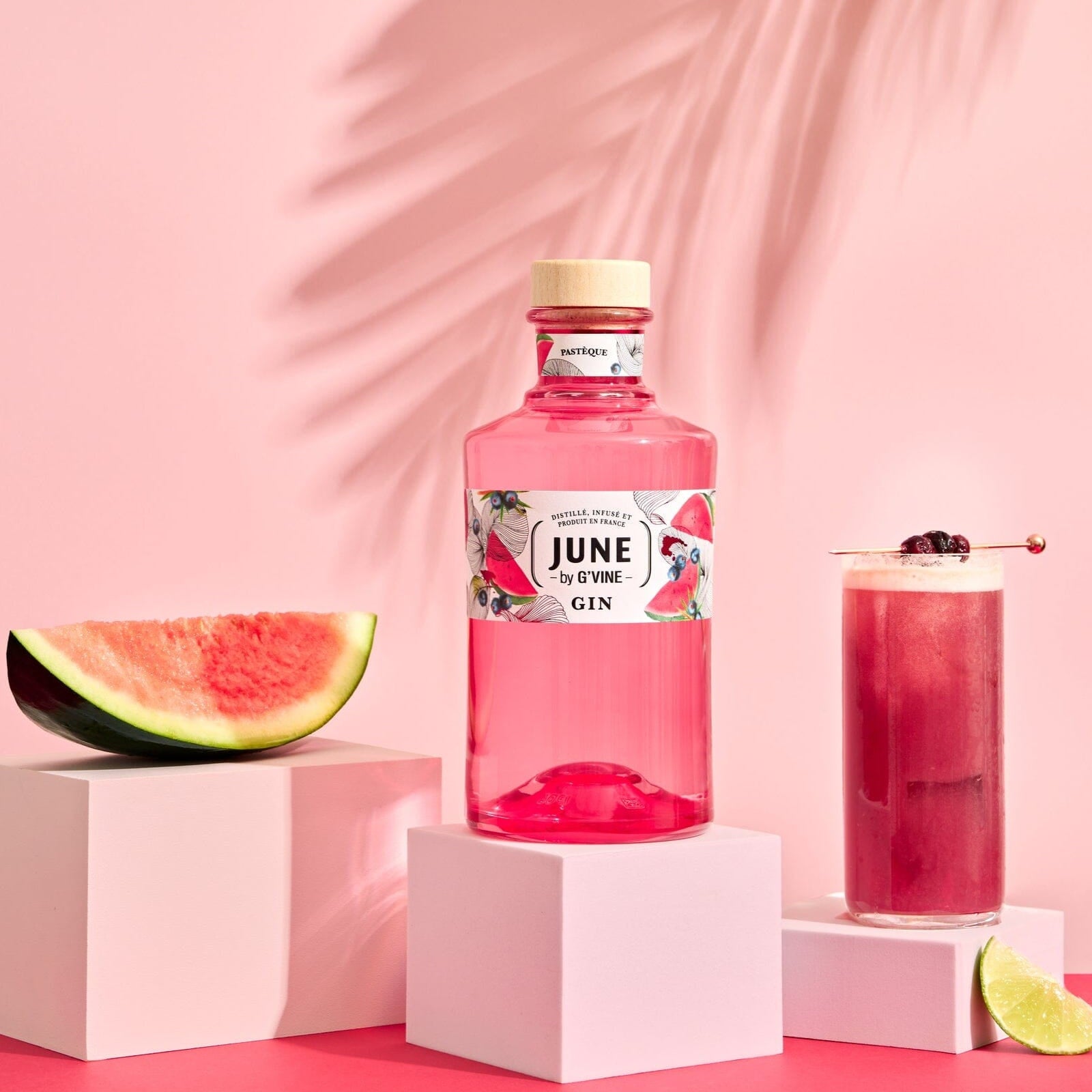
Innovation in modern mixology draws heavily on the world of liqueurs to create surprising combinations. Original creations now incorporate liqueurs made with exotic fruits such as passion fruit, mango, or lychee, bringing a tropical dimension to contemporary cocktails. Floral liqueurs, based on violet, rose, or elderflower, offer a delicate aromatic palette that appeals to even the most discerning palates. This new approach allows bartenders to push the boundaries of creativity. Eachcocktail recipeIt thus becomes a true artistic creation where French liqueurs reveal their full aromatic richness. This new approach allows bartenders to push the boundaries of creativity.
Liqueurs to be enjoyed as a digestif
Enjoyed neat or on the rocks, liqueurs excel in their traditional role as digestifs. Served at room temperature in a tasting glass, they reveal their full aromatic complexity. Serving them on the rocks softens even the most intense aromas while preserving their subtle nuances. This method of consumption, inherited from European traditions, transforms the end of a meal into a true moment of gustatory contemplation.
The history and know-how of French liqueur
The history of liqueurs begins in medieval monasteries, where monks crafted elixirs from medicinal plants. Legendary recipes like Chartreuse and Bénédictine still bear witness to this exceptional heritage, revealing the age-old mastery of the art of distillation.
From their therapeutic origins, liqueurs have evolved towards a hedonistic approach. The emergence of modern mixology has transformed these spirits into essential ingredients in the most refined cocktails, paving the way for new flavor creations.
Today, historic houses like Cointreau and Grand Marnier coexist with a new generation of artisan distillers. This diversity between tradition and innovation guarantees an exceptional richness of taste for all enthusiasts.
How to choose your liqueur?
Choosing a liqueur depends on multiple criteria that will influence your tasting experience.
Depending on the occasion
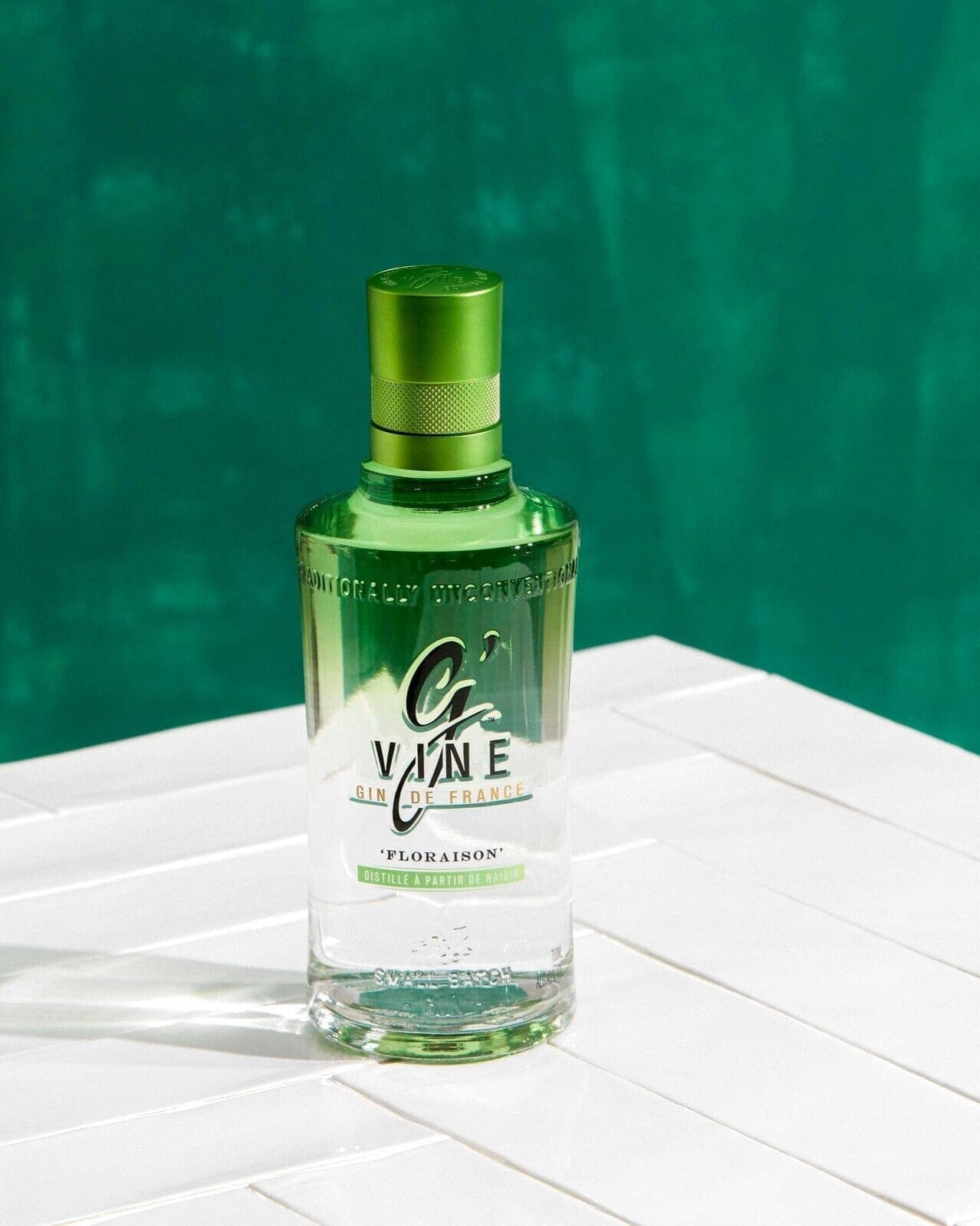
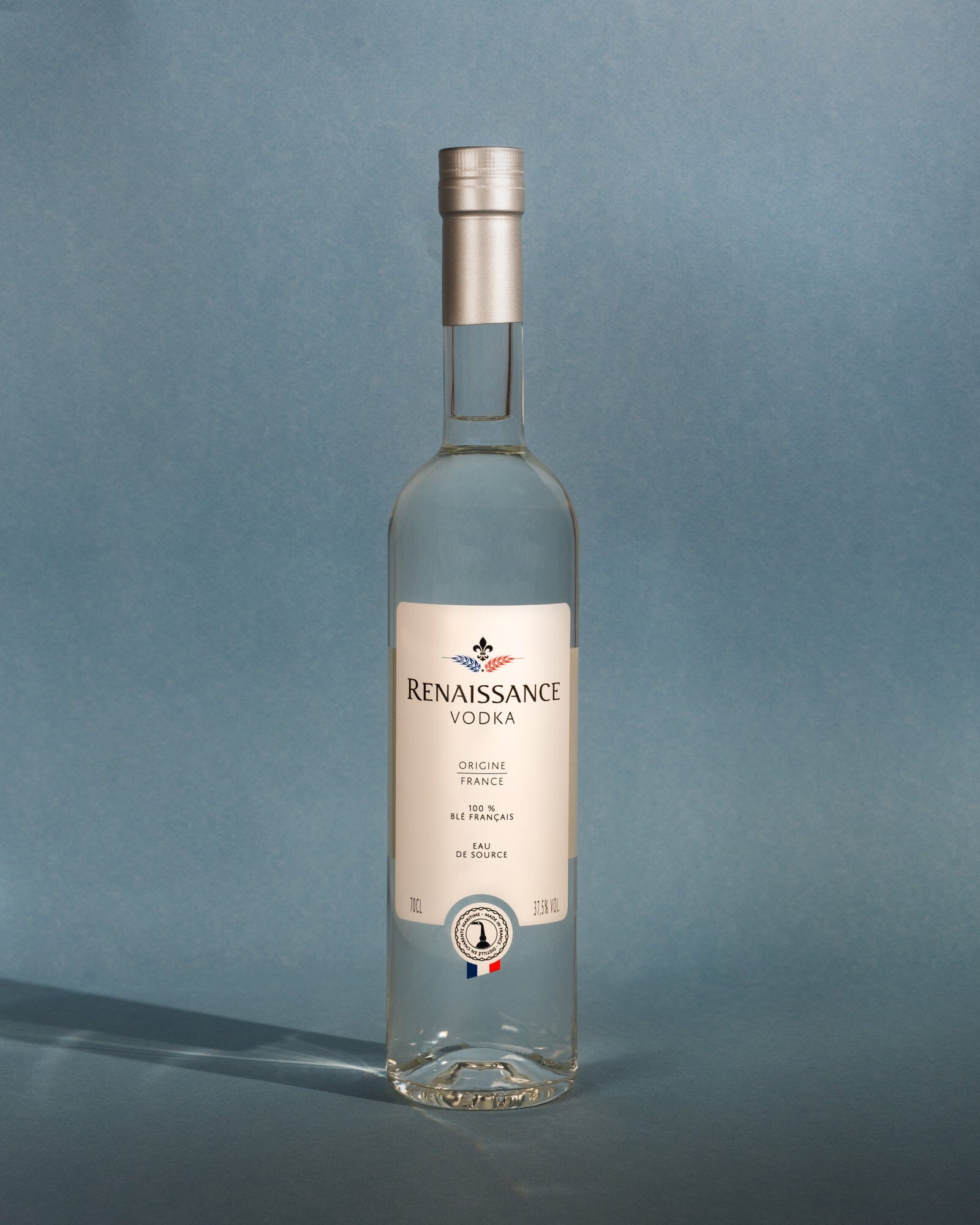
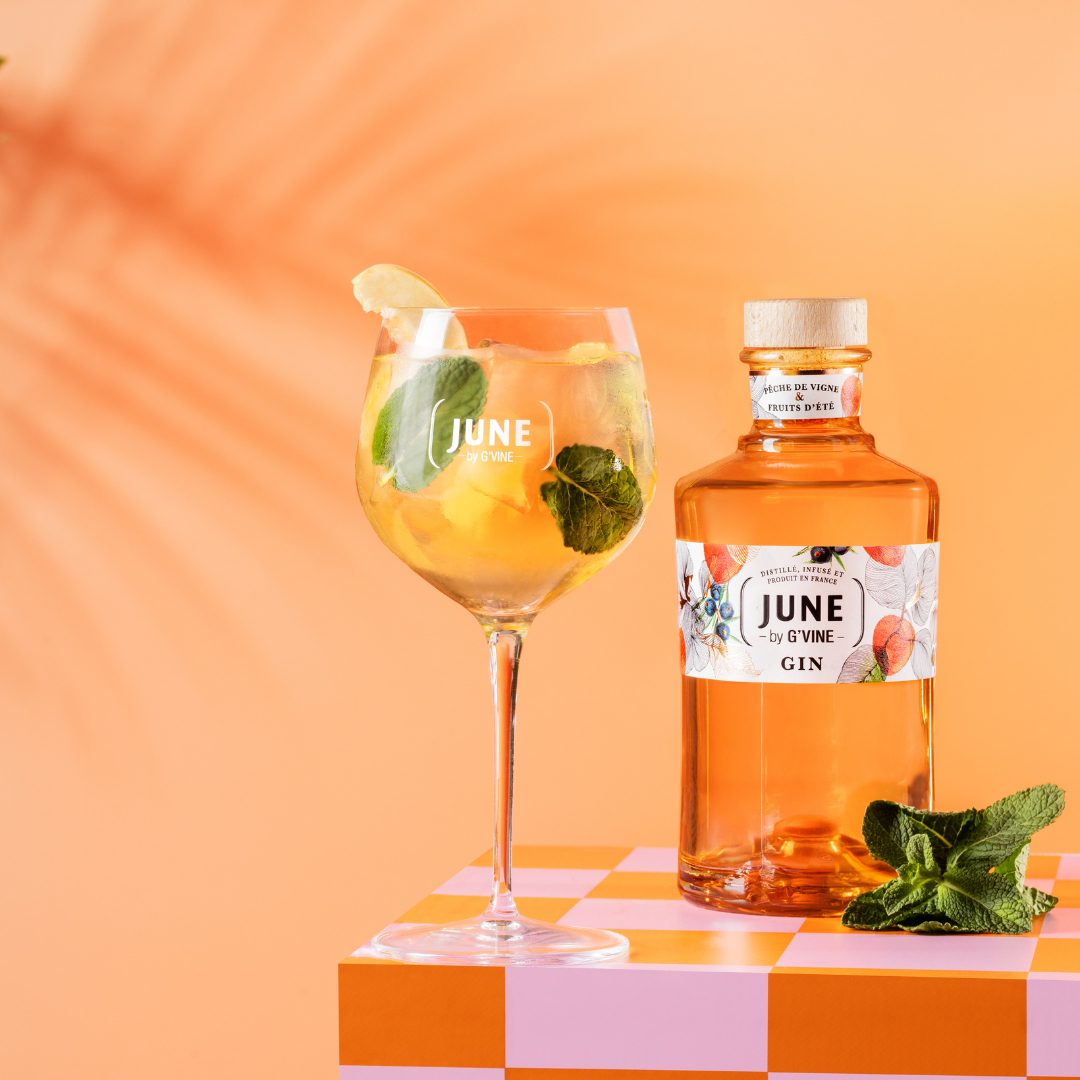
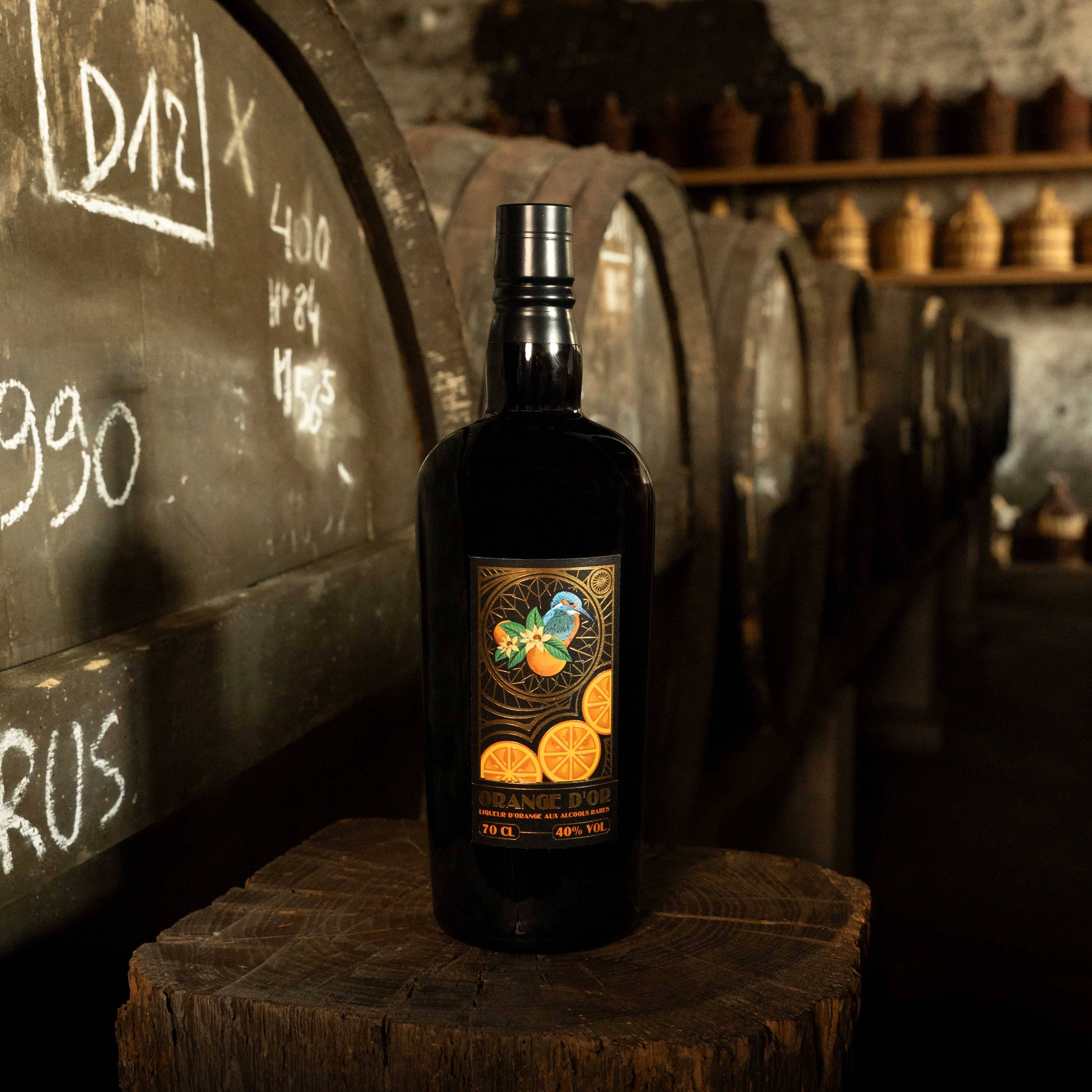
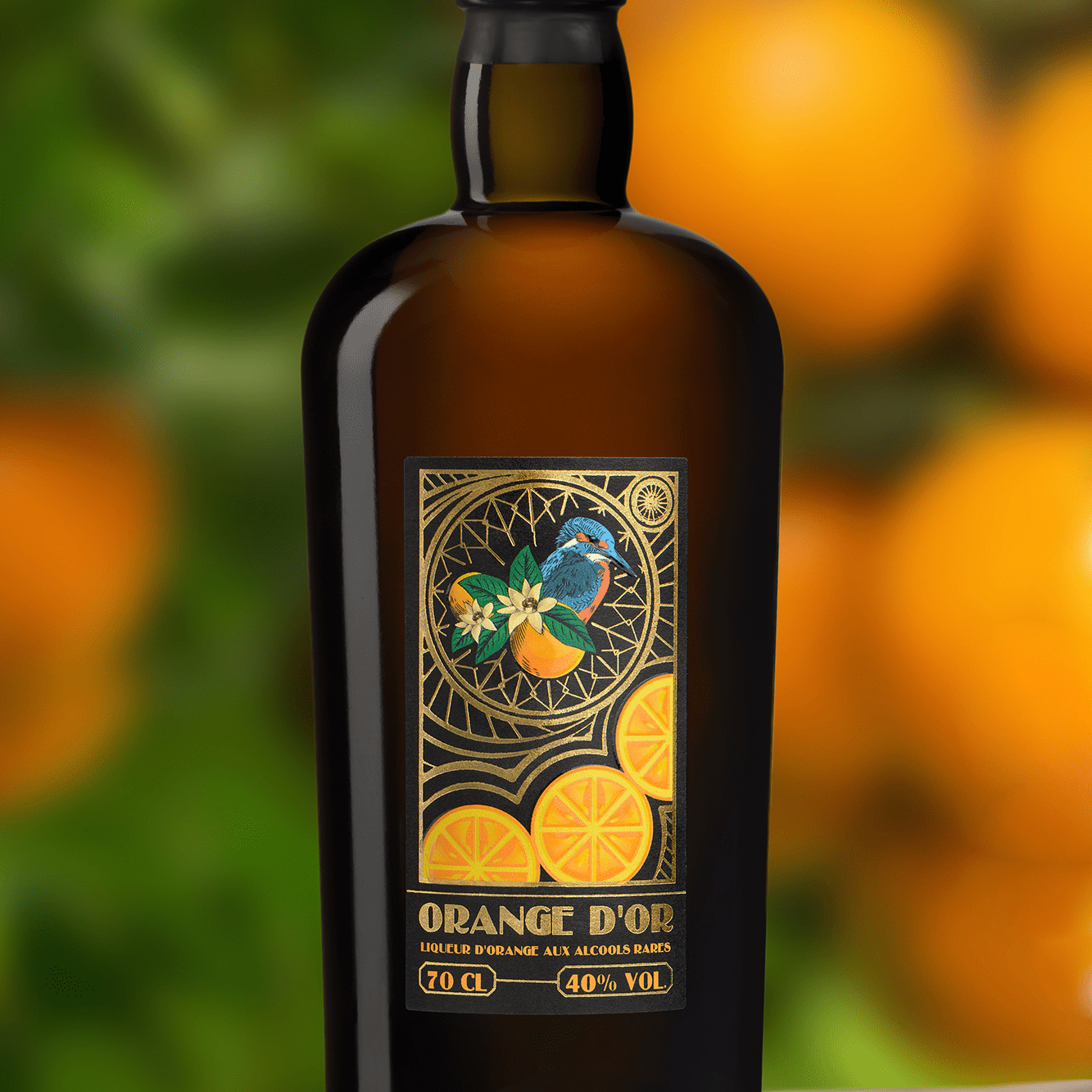
For an aperitif, choose liqueurs with fresh, light notes, such as citrus liqueurs or aromatic bitters, which stimulate the appetite without overwhelming the palate. For a digestif, opt for more complex and concentrated liqueurs: herbal liqueurs, aged creations, or spiced liqueurs, which perfectly complement the end of a meal. For mixology, choose versatile liqueurs that blend easily: orange, coffee, or red fruit liqueurs make excellent bases for your creations. French liqueurs pair perfectly with other premium spirits, such as...French vodkaor theFrench ginto create exceptional cocktails.
According to personal tastes
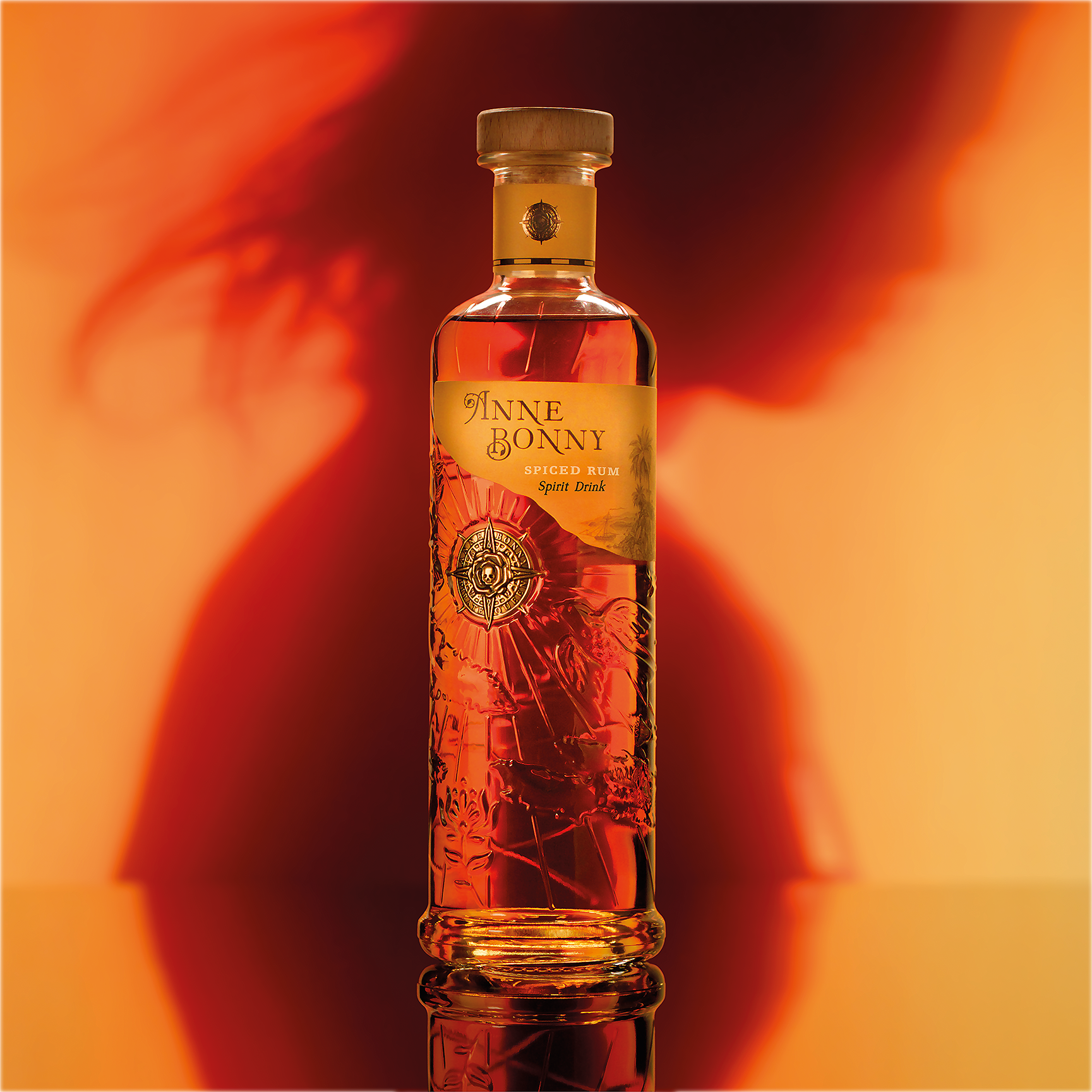
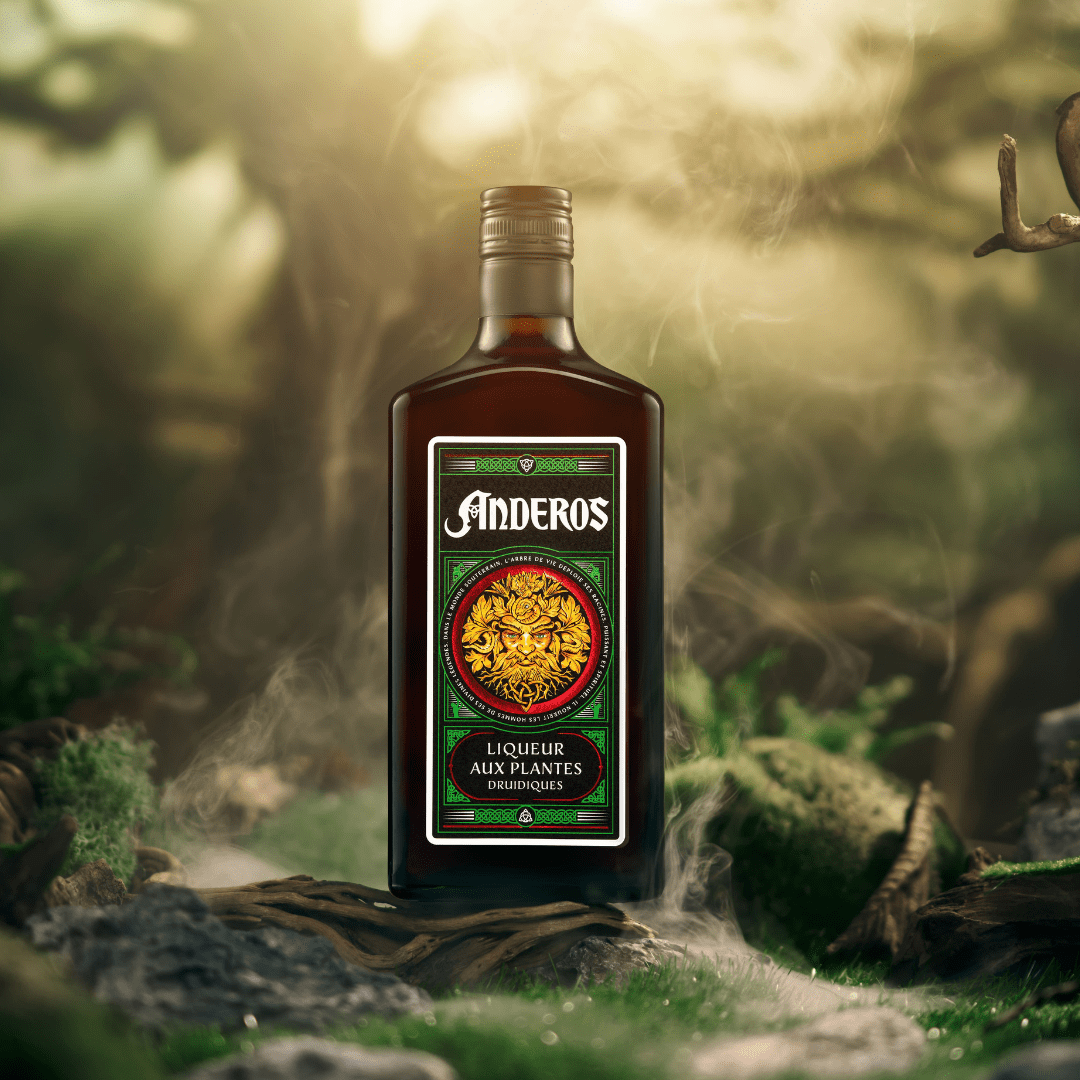
Lovers of fruity flavors will gravitate towards fruit liqueurs such as peach, blackcurrant, or raspberry. Those seeking complexity will appreciate herbal liqueurs with secret recipes. Those with a sweet tooth will favor creamy or chocolate liqueurs, while adventurous palates will explore creations infused with exotic spices or flowers.
Depending on the season
Summer calls for fresh liqueurs with citrus, tropical fruits, or Mediterranean herbs, perfect for refreshing cocktails. Autumn invites warmer flavors: liqueurs with sweet spices, nuts, or woody notes. Winter favors comforting liqueurs with warm spices, chocolate, or balsamic botanicals. Spring celebrates renewal with floral liqueurs or those made with spring fruits.
According to the food and drink pairing agreement
The art of pairing food and liqueurs reveals new dimensions of flavor. Fruity liqueurs enhance desserts made with fresh fruit or soft cheeses. Citrus liqueurs perfectly complement chocolate desserts by providing a contrasting element. Herbal liqueurs pair beautifully with aged cheeses and spiced desserts. This gastronomic approach transforms every tasting into a refined culinary experience.