The different styles of Vermouth
Red vermouth: the Italian tradition
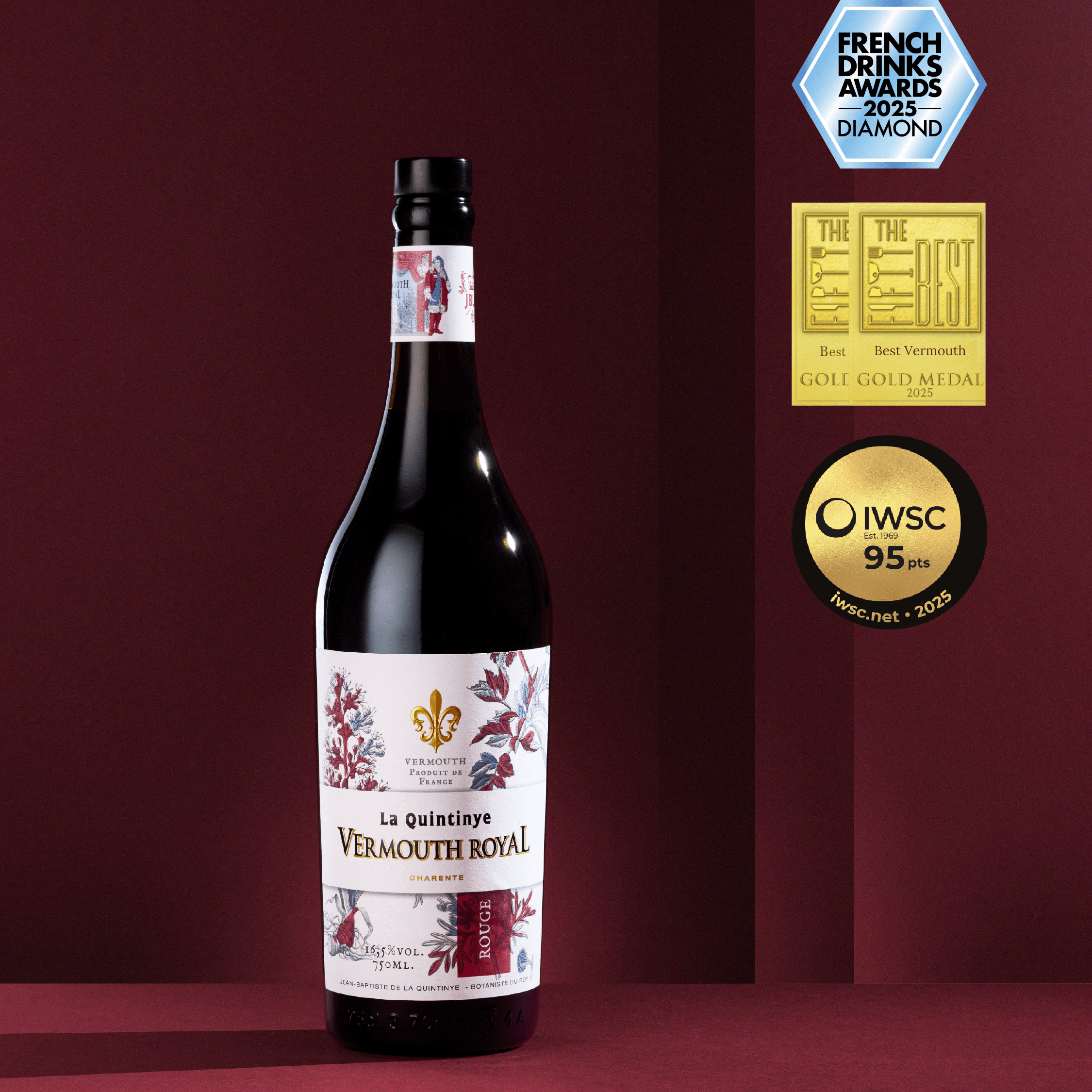
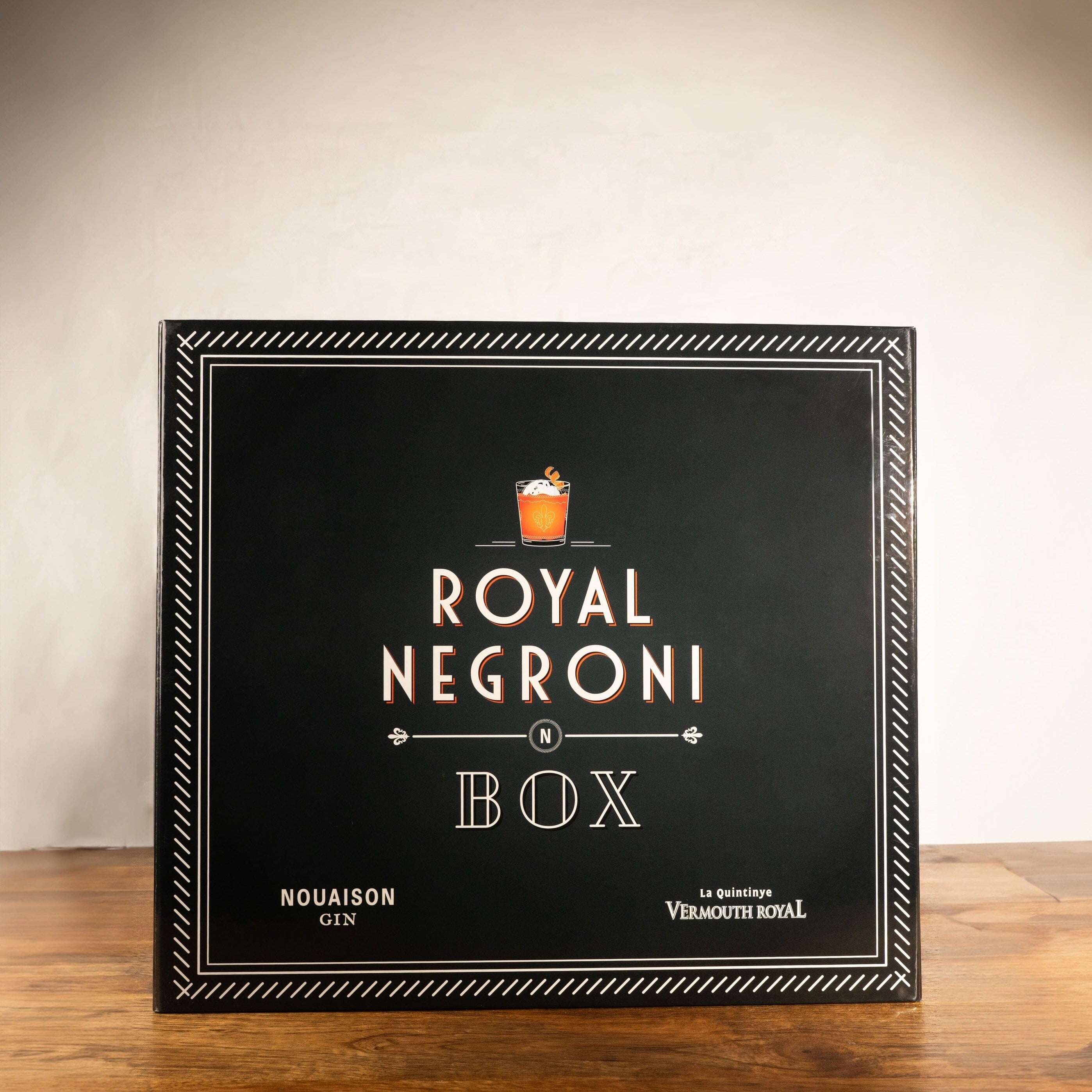
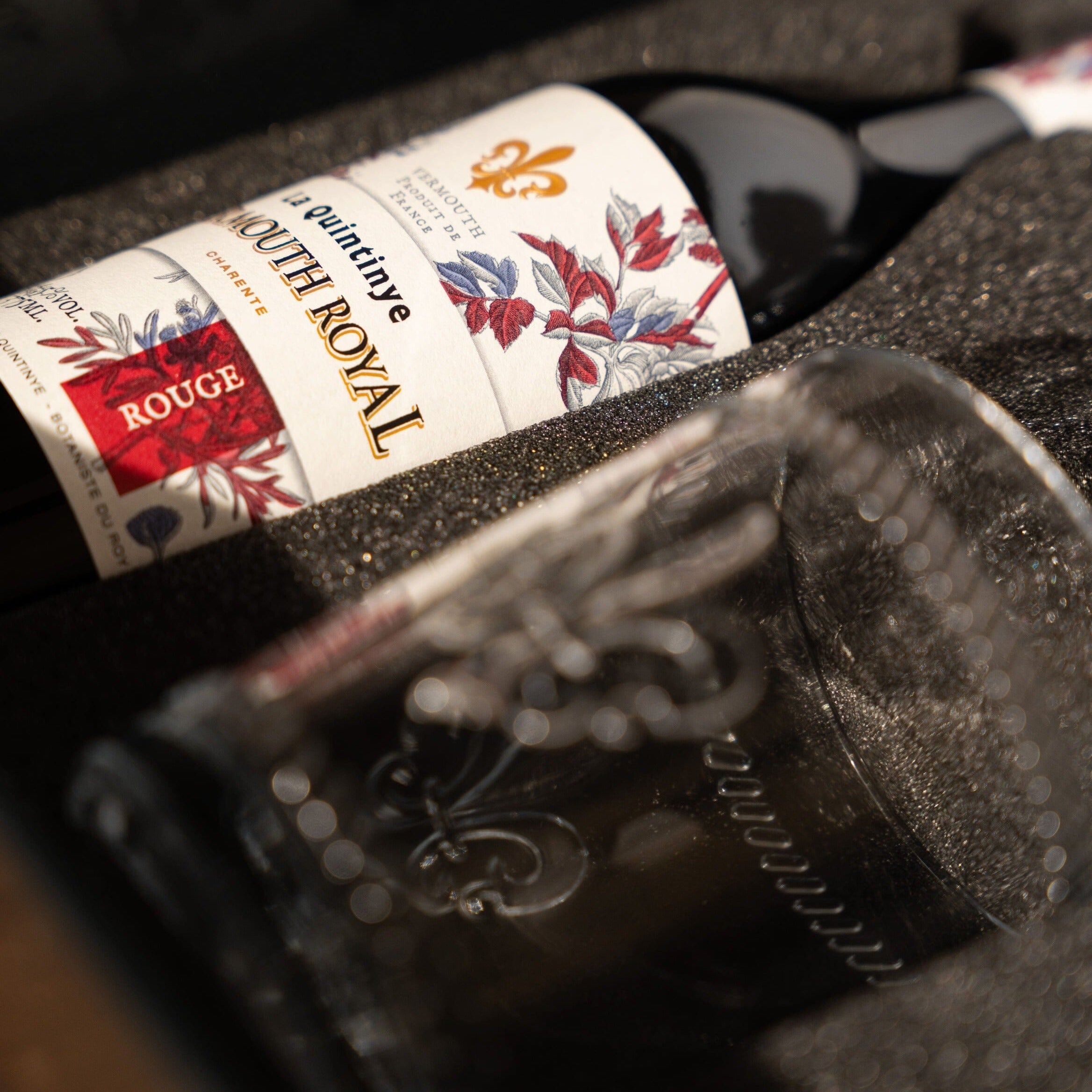
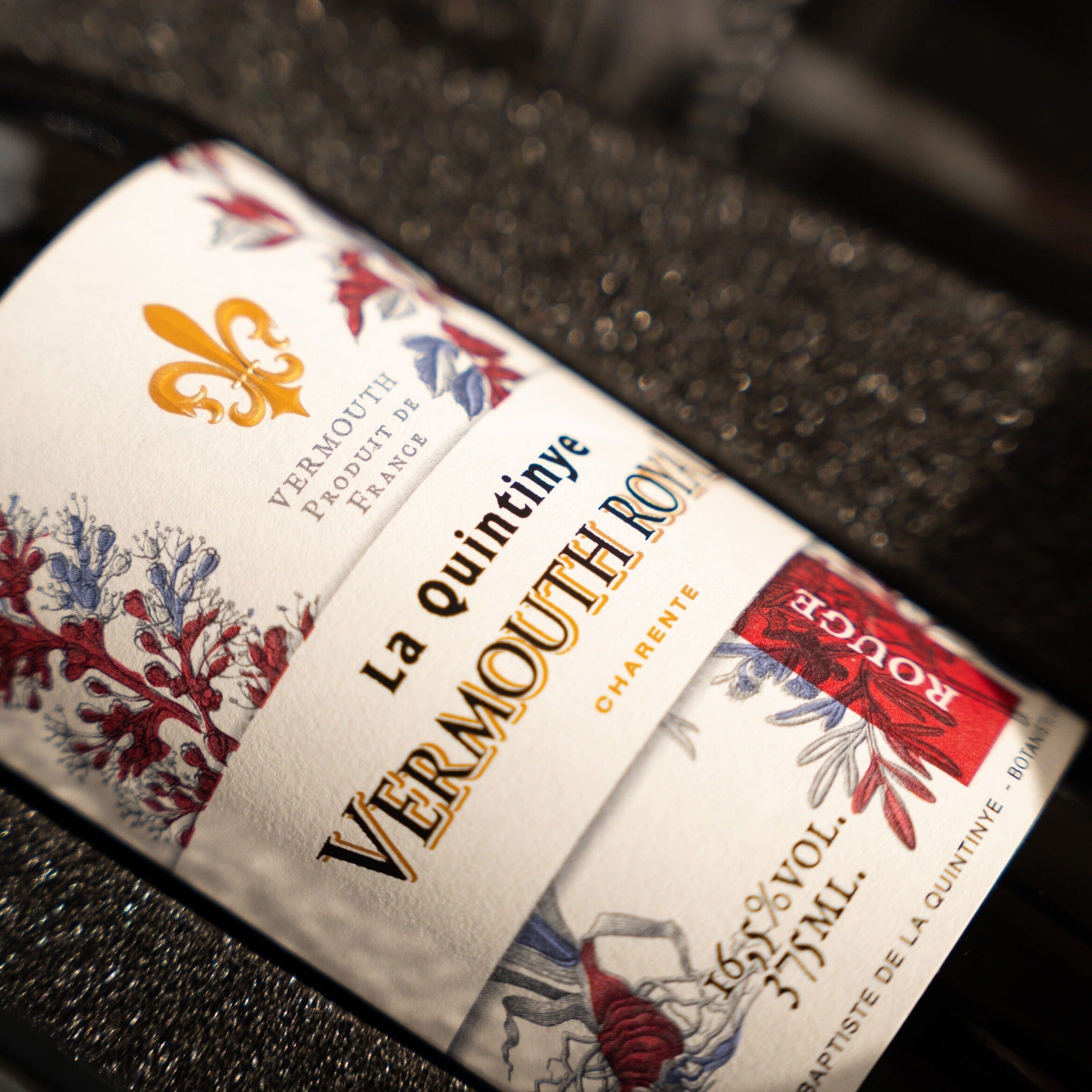
Red vermouth, or vermouth rosso, embodies Italian tradition with its characteristic ruby color and complex aromatic profile. Made from red wines enriched with botanicals, it reveals notes of wormwood (from the absinthe family), gentian, and sweet spices. Its natural sweetness and balanced bitterness make it an essential ingredient inRoyal Negroniand of theAmericano cocktail.
White Vermouth: pure elegance
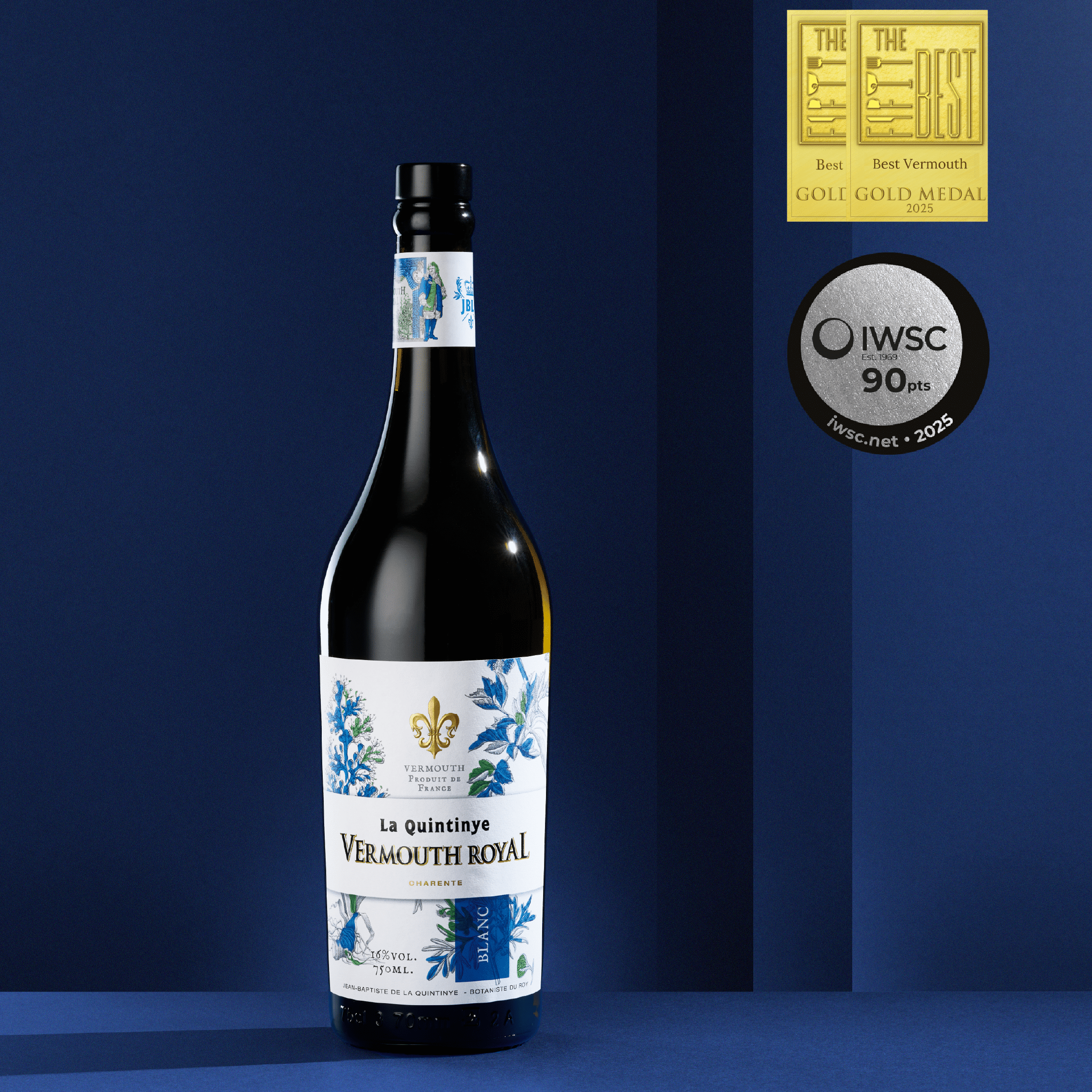
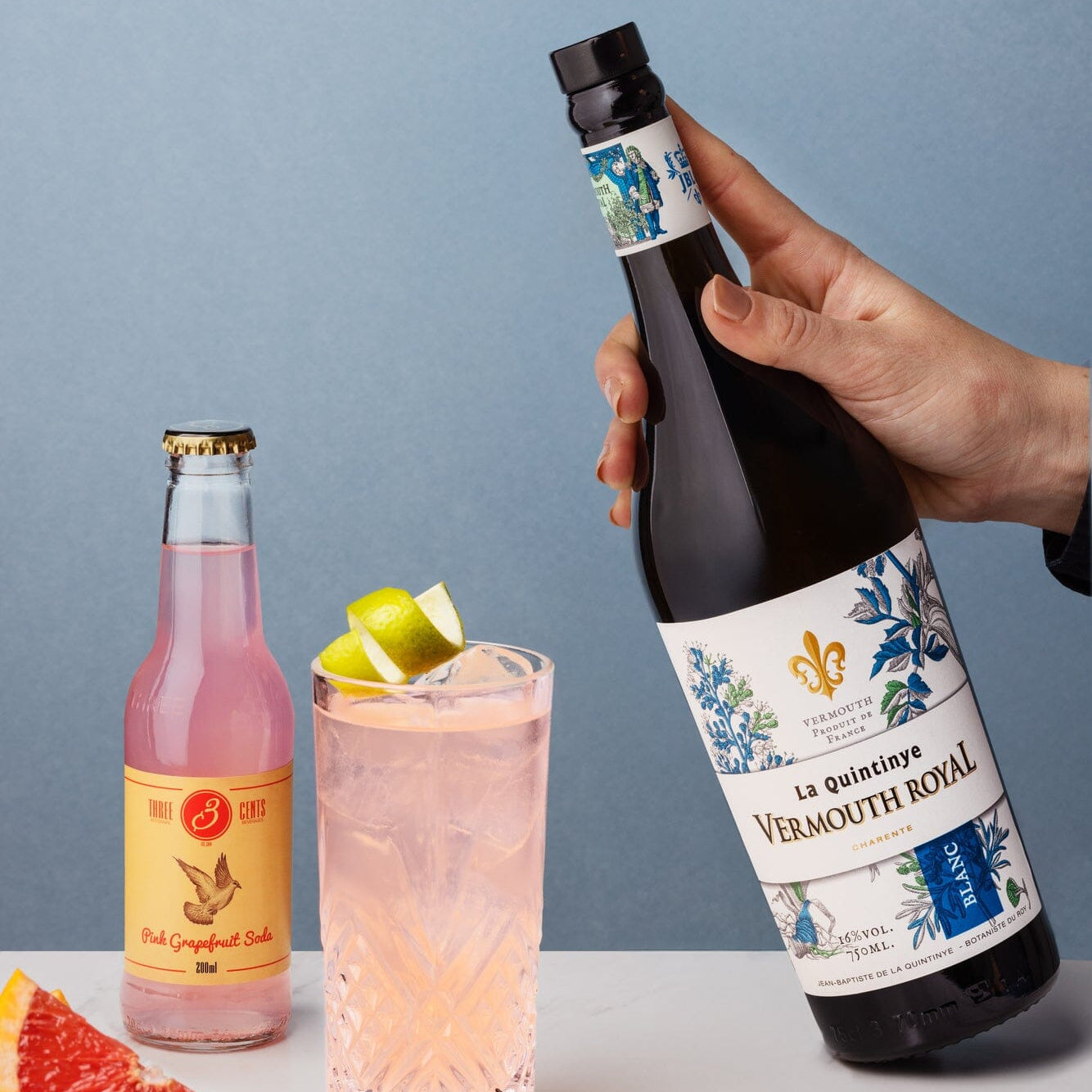
White vermouth, or vermouth bianco, is prized for its freshness. This creation emphasizes aromatic finesse with delicate floral, citrus, and fresh herb notes. Less sweet than its red counterpart, it reveals a subtle complexity that shines particularly brightly in sophisticated cocktails or enjoyed neat over ice with a slice of lemon.
Dry Vermouth: French sophistication
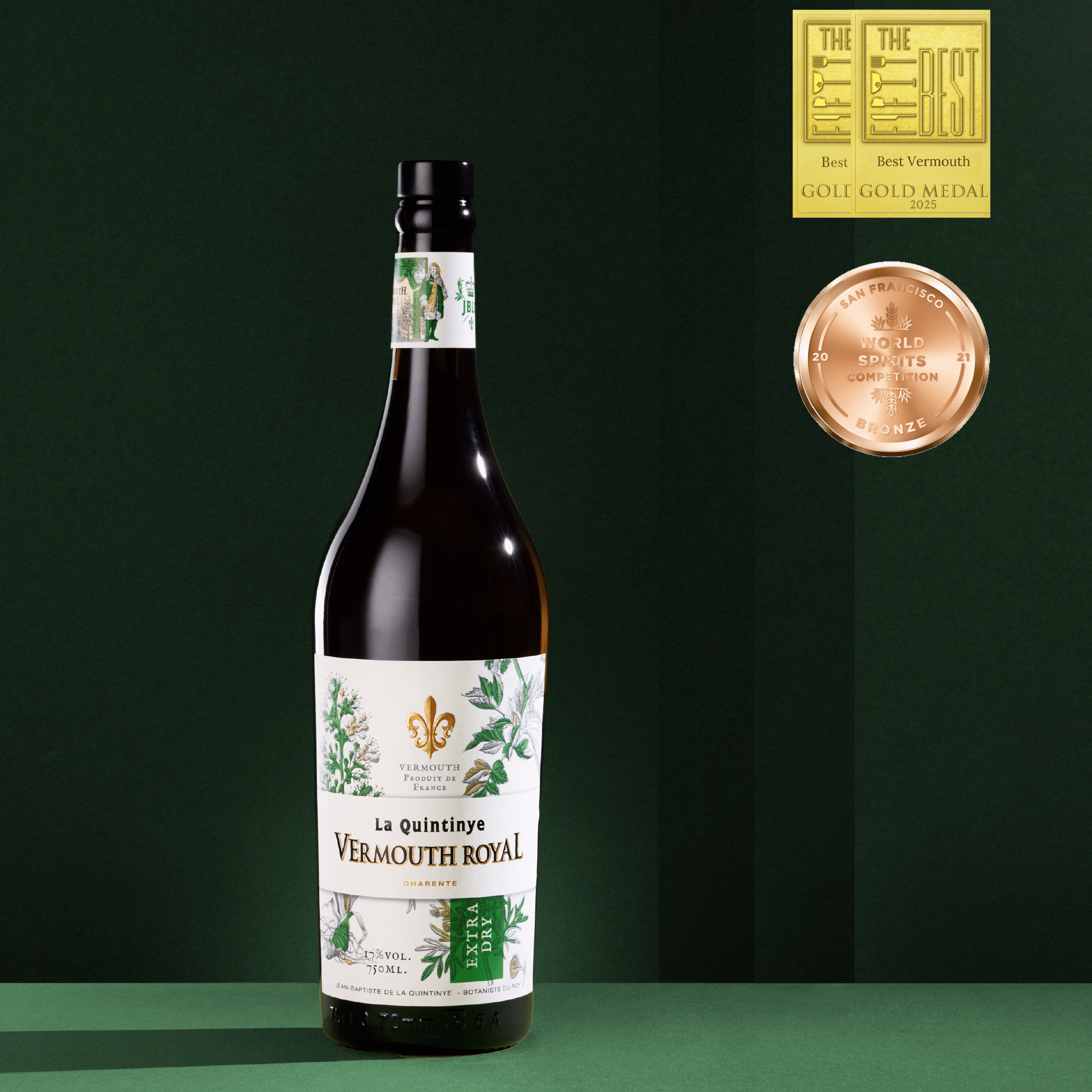
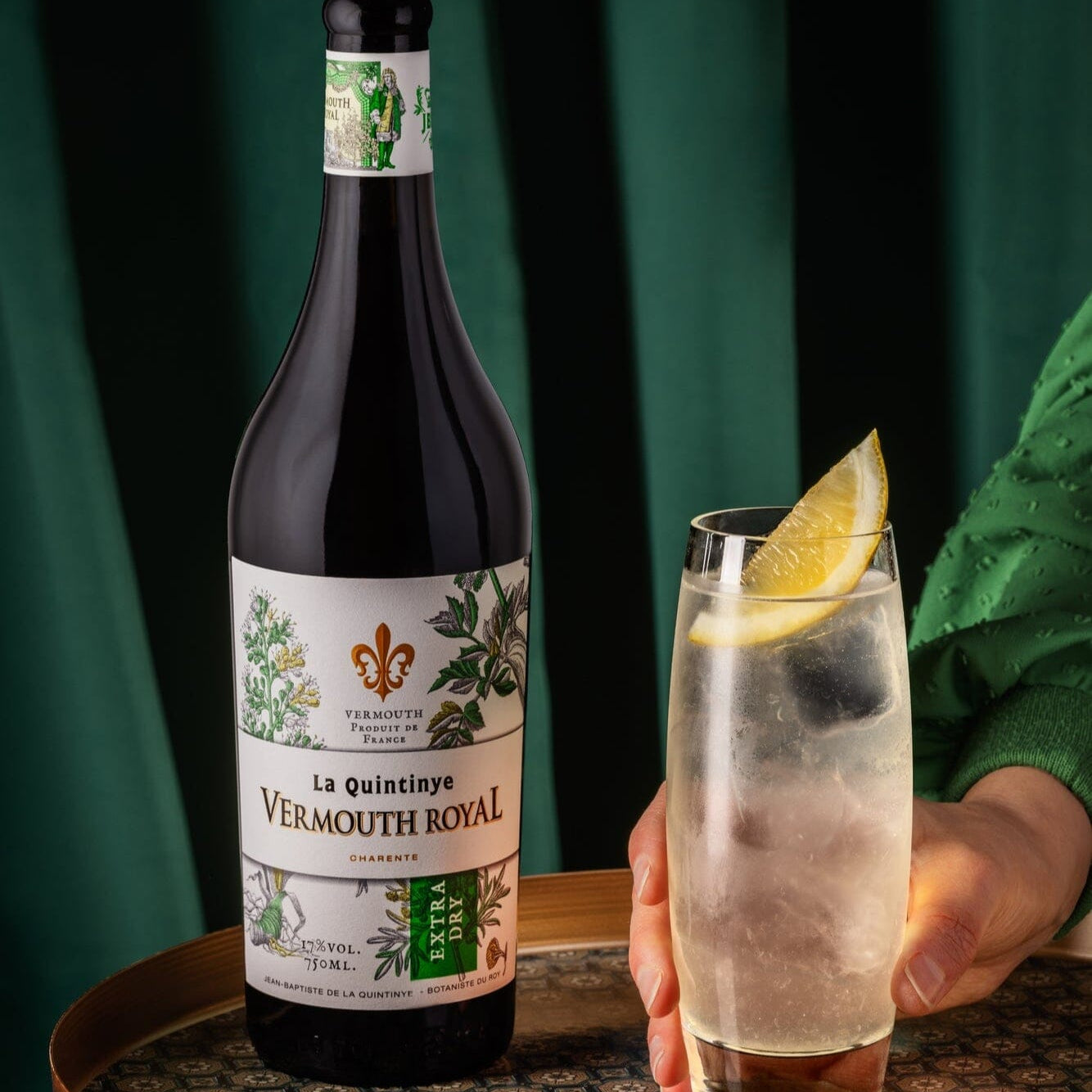
French dry vermouth represents the pinnacle of sophistication with its characteristic dryness and pronounced herbaceous aromas. This expression favors the noble bitterness of Alpine botanicals and reveals remarkable complexity on the finish. Unlike thevodkaor atginFor those seeking purity, dry vermouth cultivates a marked personality that is fully expressed in the classic Dry Martini.
French Vermouth
France has developed an exceptional vermouth tradition that rivals its historic Italian counterparts. The French terroir, rich in prestigious wine appellations, provides an ideal foundation for crafting vermouths of remarkable quality. French producers draw upon this exceptional heritage to create unique expressions that reflect the excellence of French winemaking.
The French approach prioritizes finesse and balance, hallmarks of the national art of living. French master glassmakers meticulously select their botanicals, often sourced from the Alpine and Mediterranean regions, to create complex harmonies of remarkable subtlety. This pursuit of perfection is reflected in every bottle, a testament to time-honored French expertise.
French vermouths are distinguished by their natural elegance and their ability to reveal aromatic nuances of unparalleled finesse. Unlike neutral spirits such as cognac, which develop their complexity through aging, French vermouth immediately expresses its personality thanks to the art of blending and the rigorous selection of ingredients.
This French vermouth tradition is experiencing a spectacular revival today with the emergence of passionate artisan producers who are reinventing time-honored recipes. These modern creators combine respect for tradition with technical innovation to offer exceptional vermouths that position France as a major player in this refined specialty.
How to choose your Vermouth?
Choosing a vermouth depends primarily on your taste preferences and intended use. For a pure aperitif, opt for a white or dry vermouth, which reveals its freshness when served chilled with ice cubes and a citrus garnish. These styles develop their aromatic complexity without being masked by other ingredients, allowing you to fully appreciate the producer's craftsmanship.
The world of cocktails offers different perspectives depending on the style chosen. Red vermouth brings body and roundness to mixes, while white vermouth emphasizes finesse and balance. Dry French vermouth excels in sophisticated cocktails where its assertive character structures the whole. To explore new creations and master mixology techniques, discover ourcocktail recipe ideaswhich reveal the full potential of these flavored nectars.
The quality of the base wine is a key factor: look for vermouths made from fine wines, often from renowned wine regions. The botanicals used reveal the producer's identity and create the unique aromatic signature of each vintage. Opt for artisanal producers who respect traditional methods and use premium natural ingredients.