The main origins of whisky
France: Innovation in French whisky
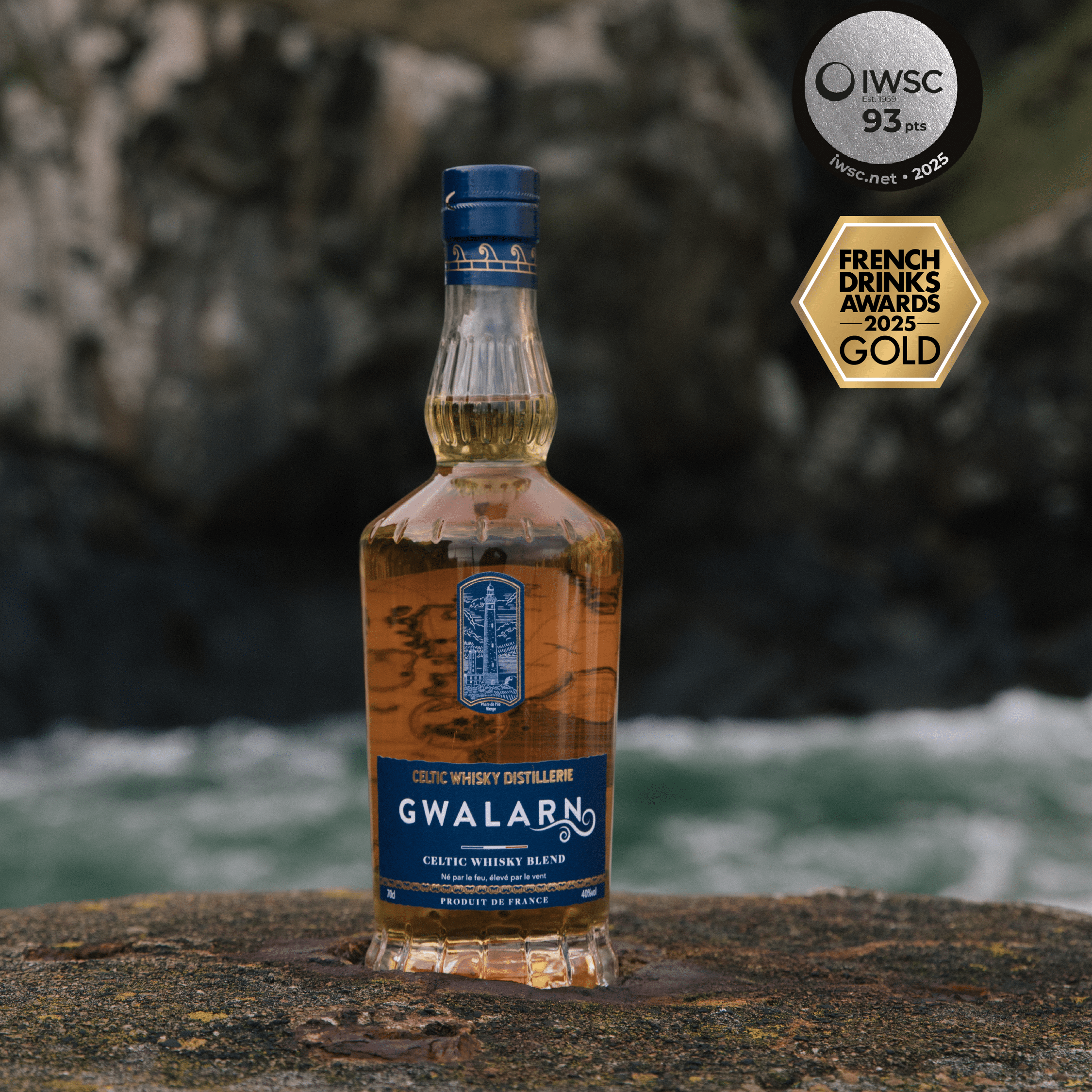
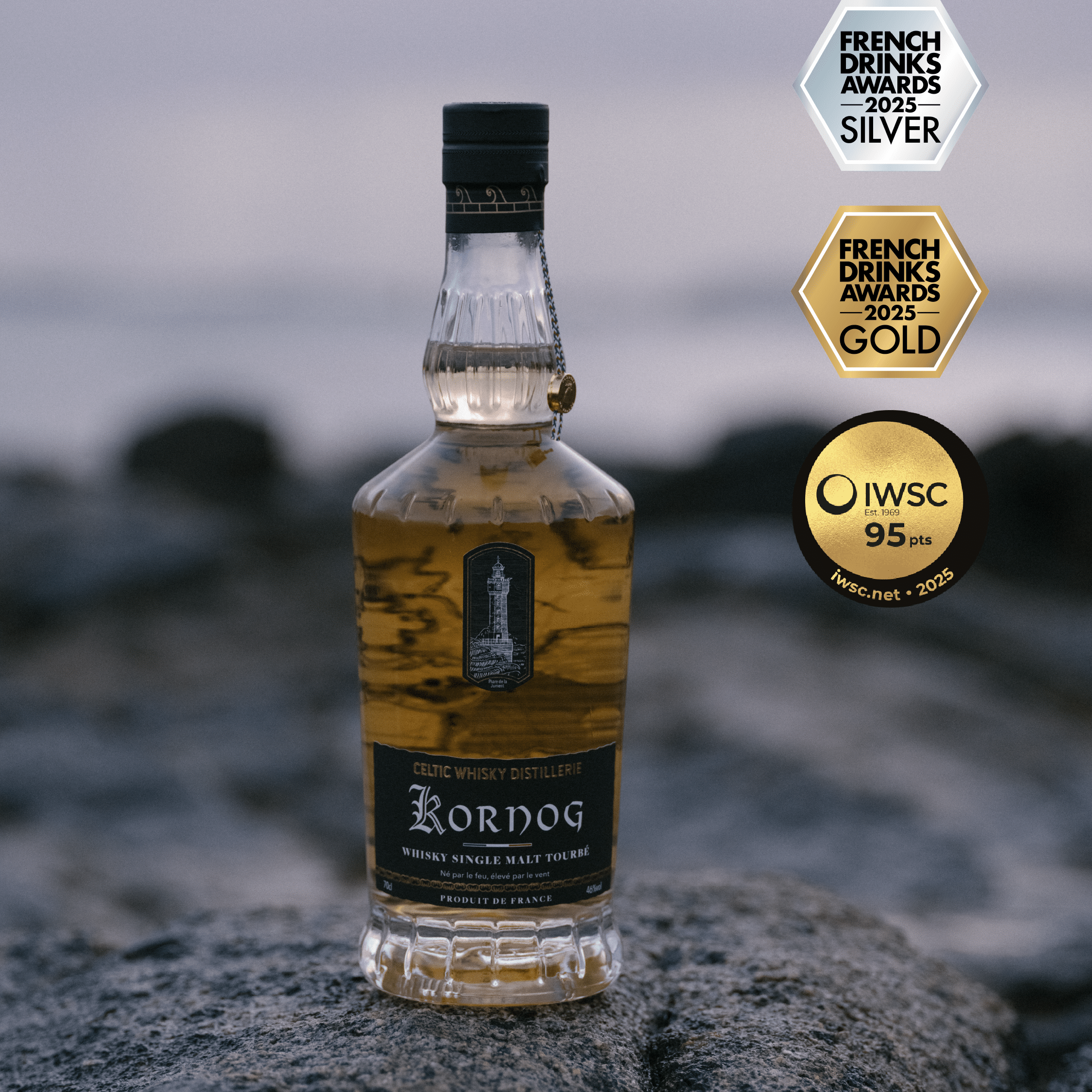
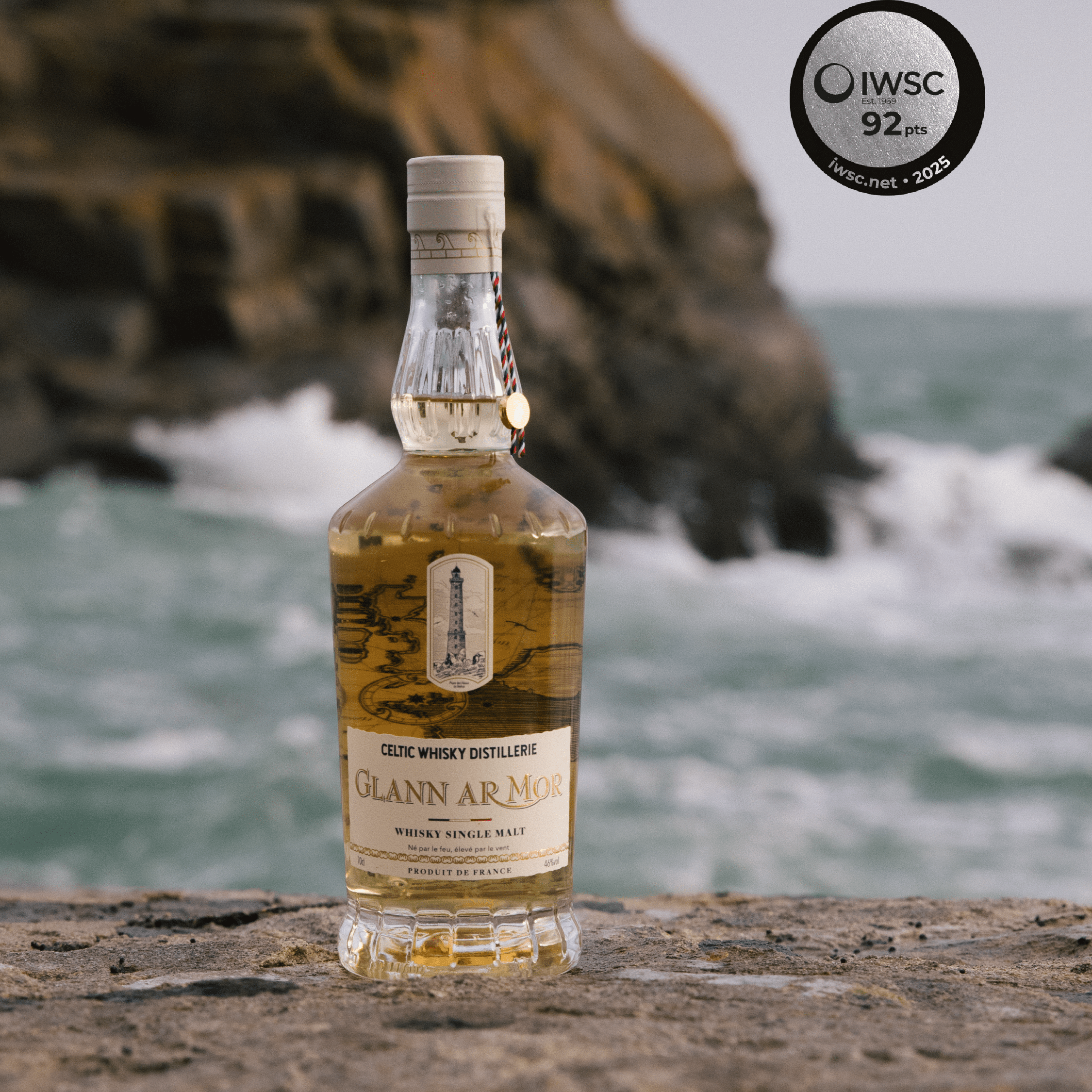
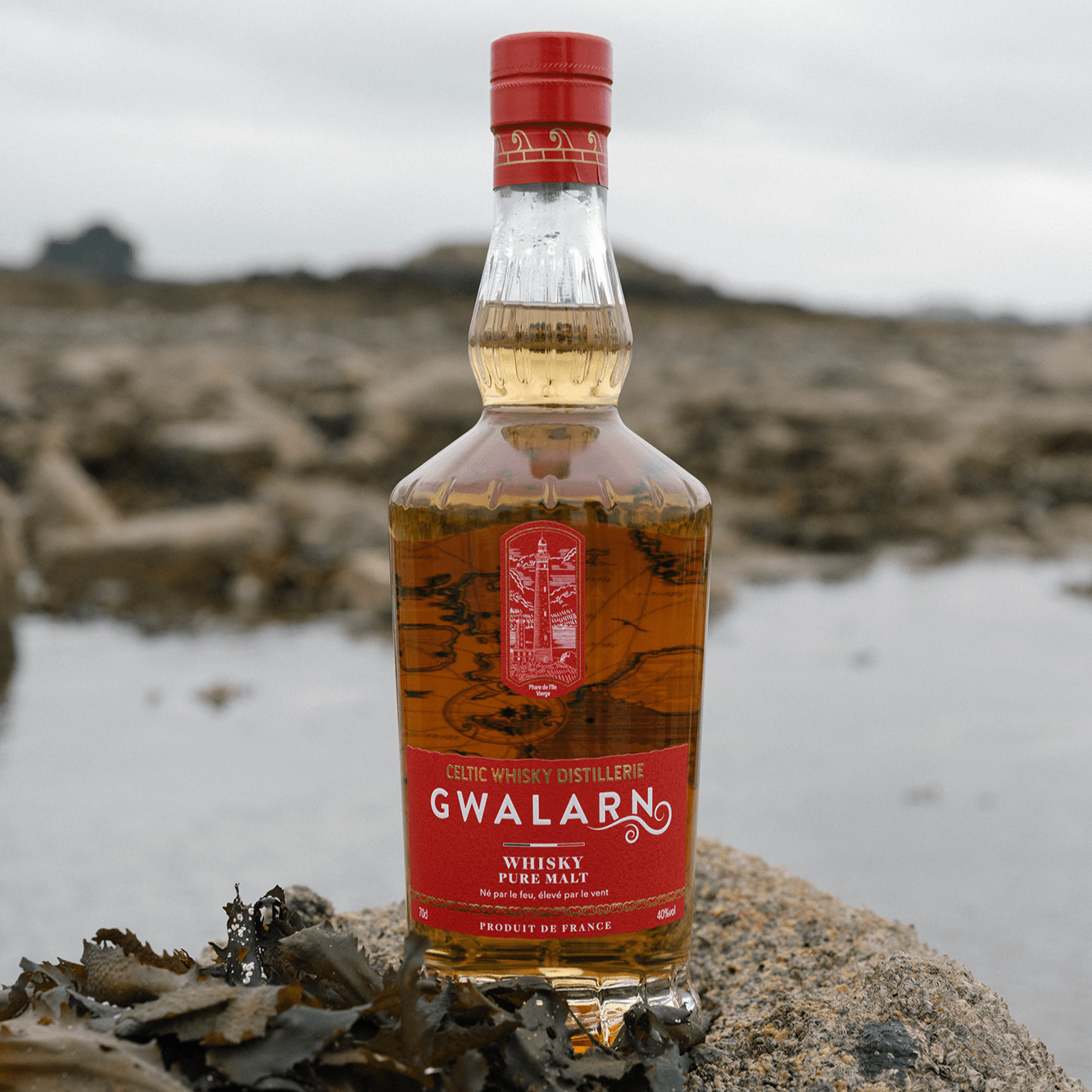
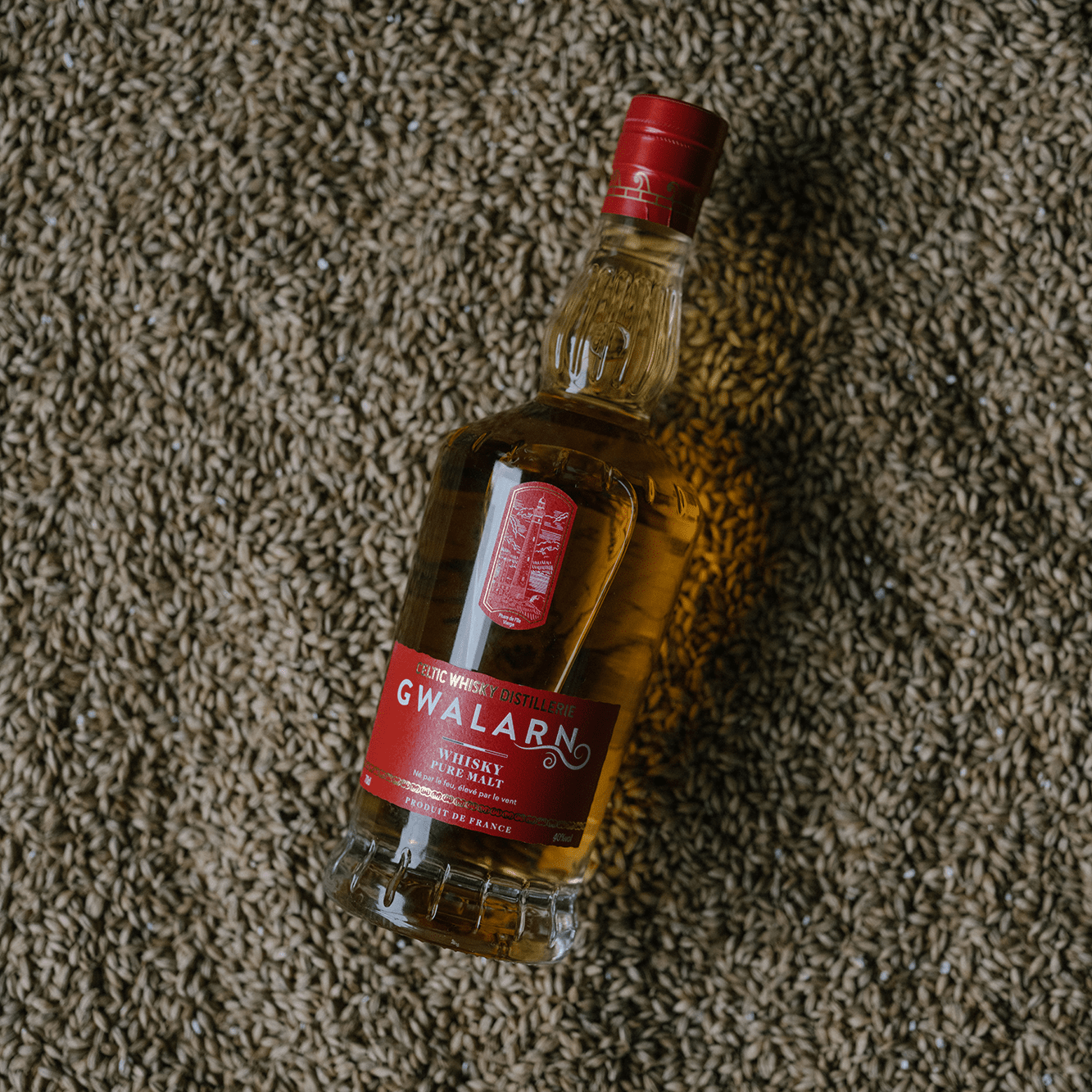
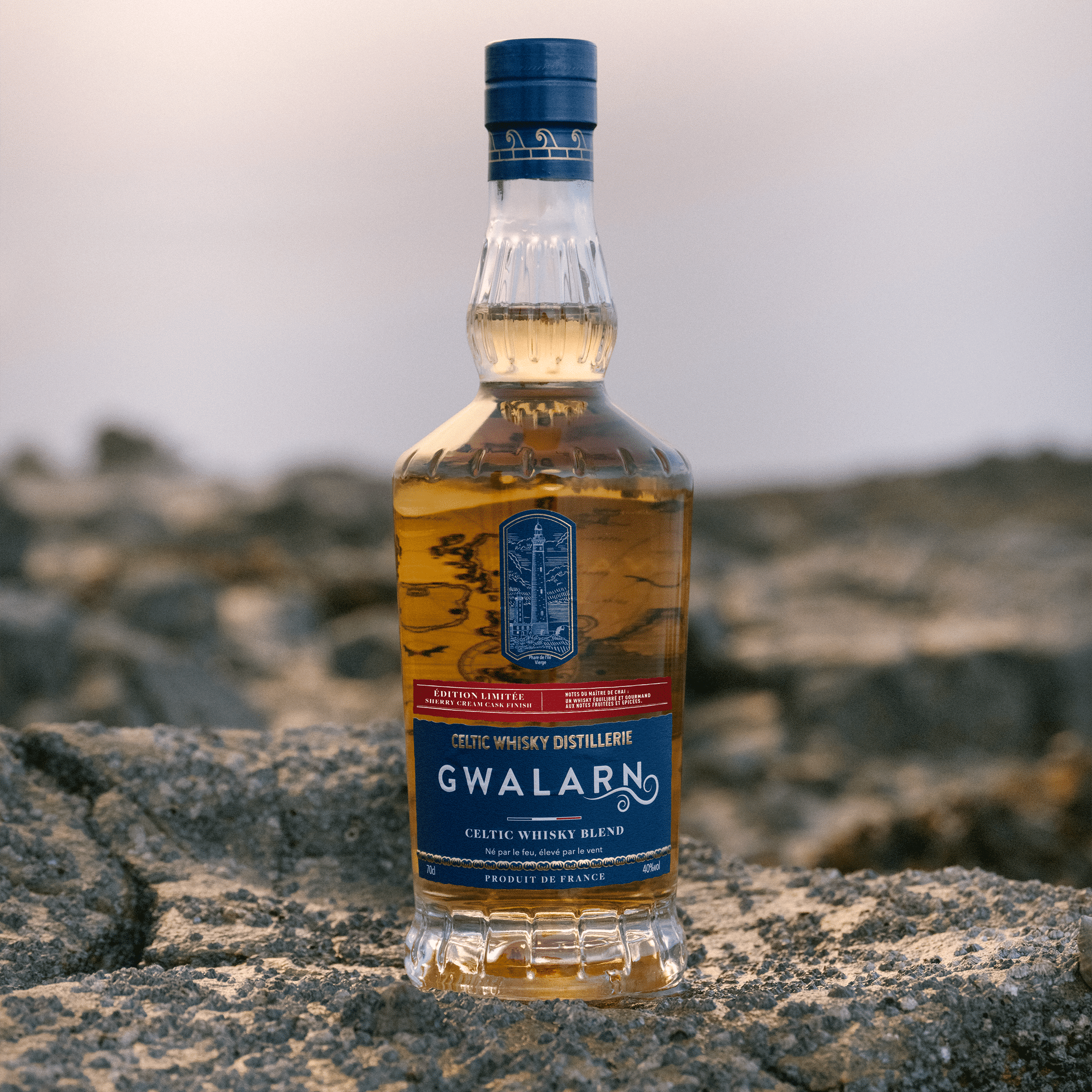
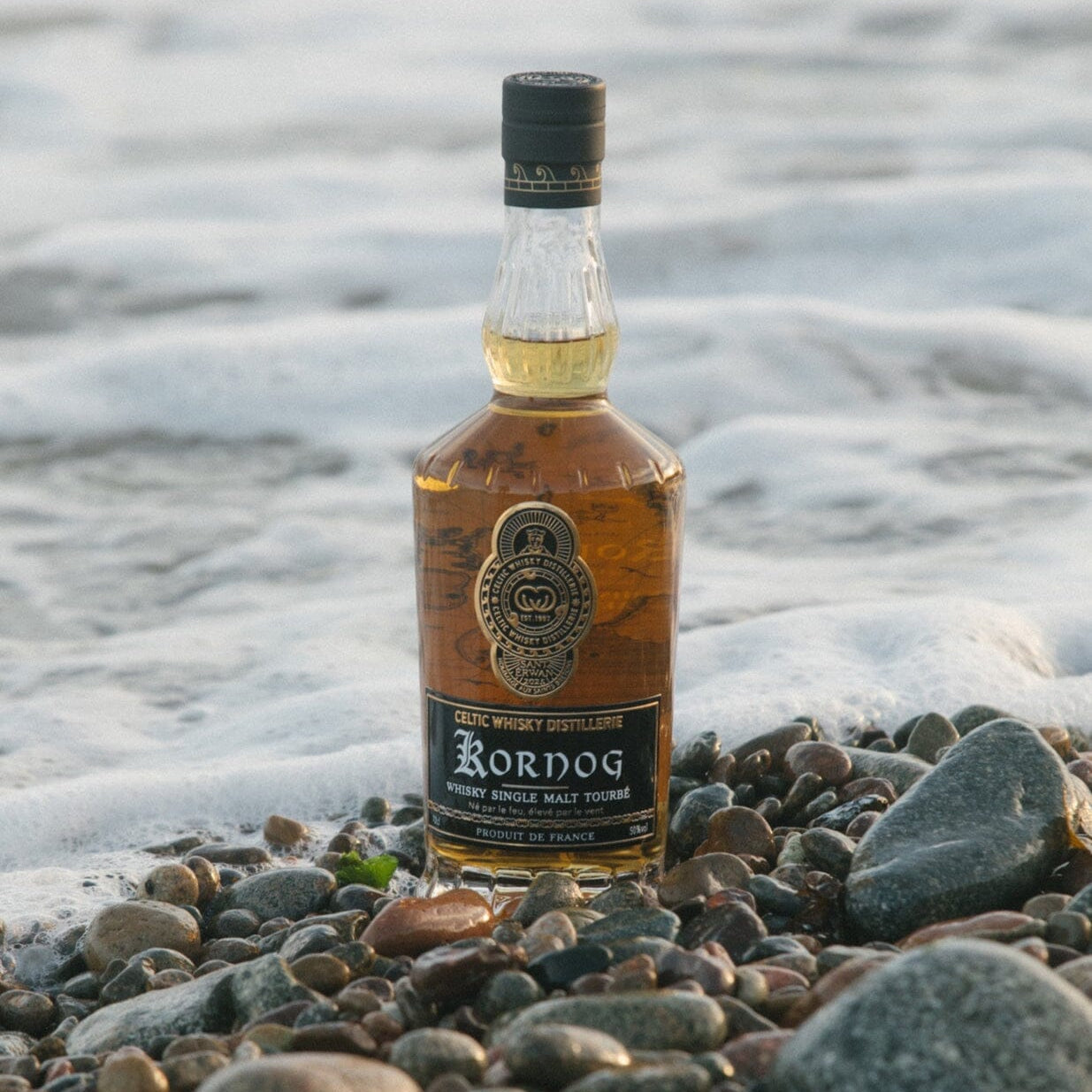
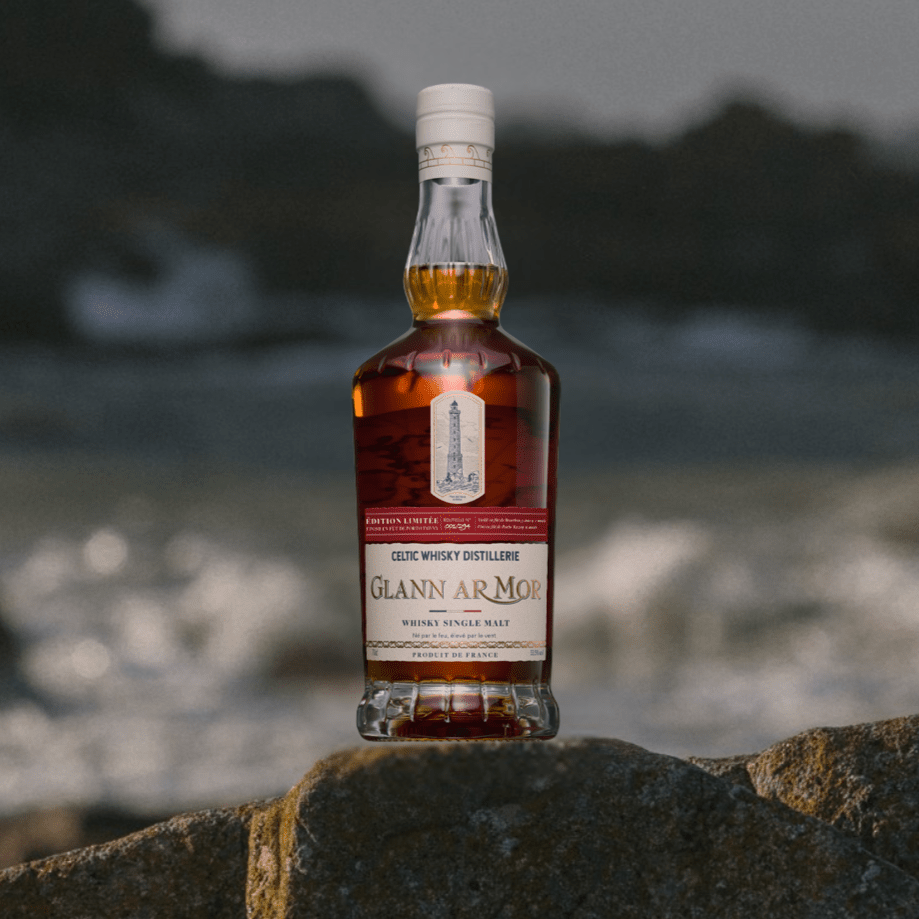
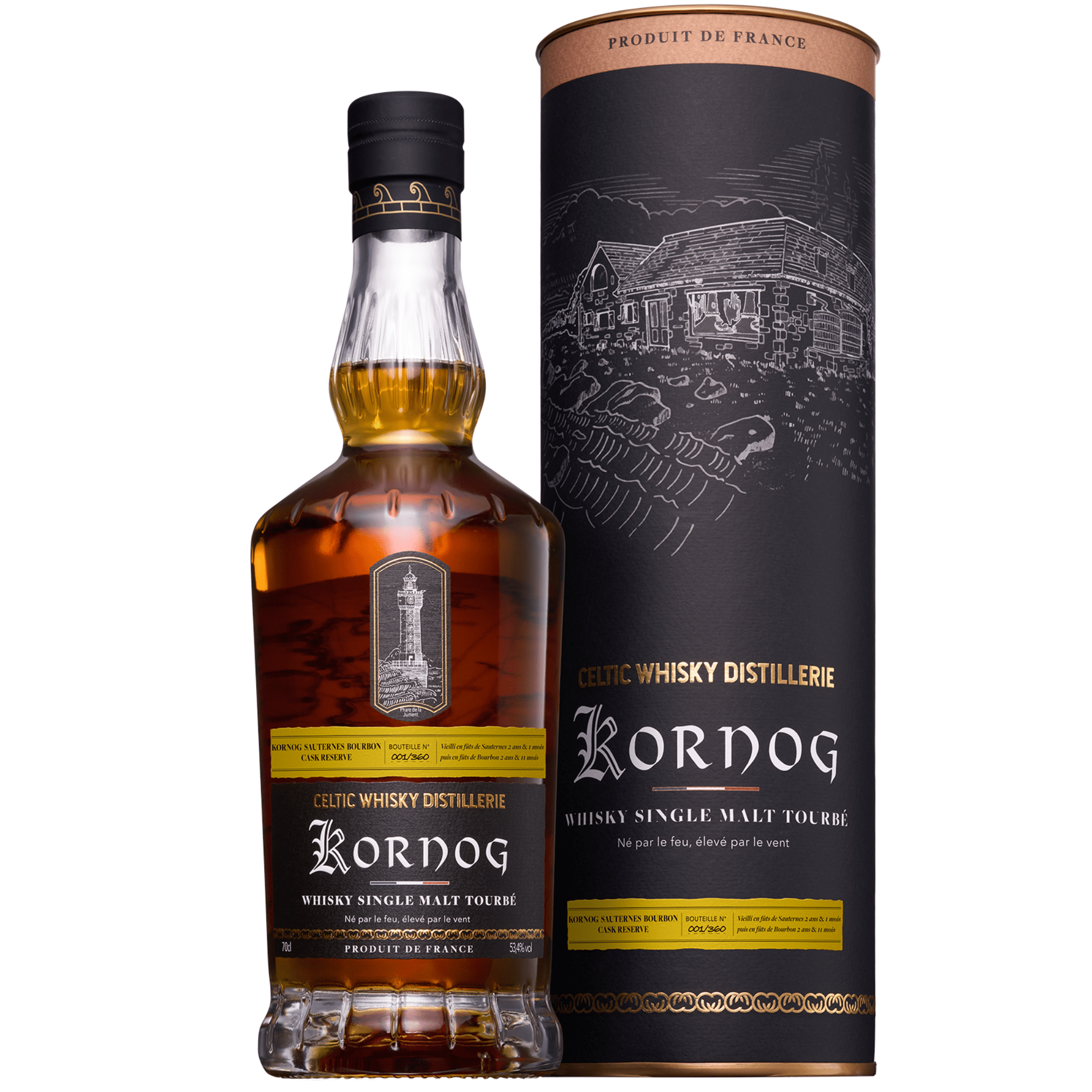
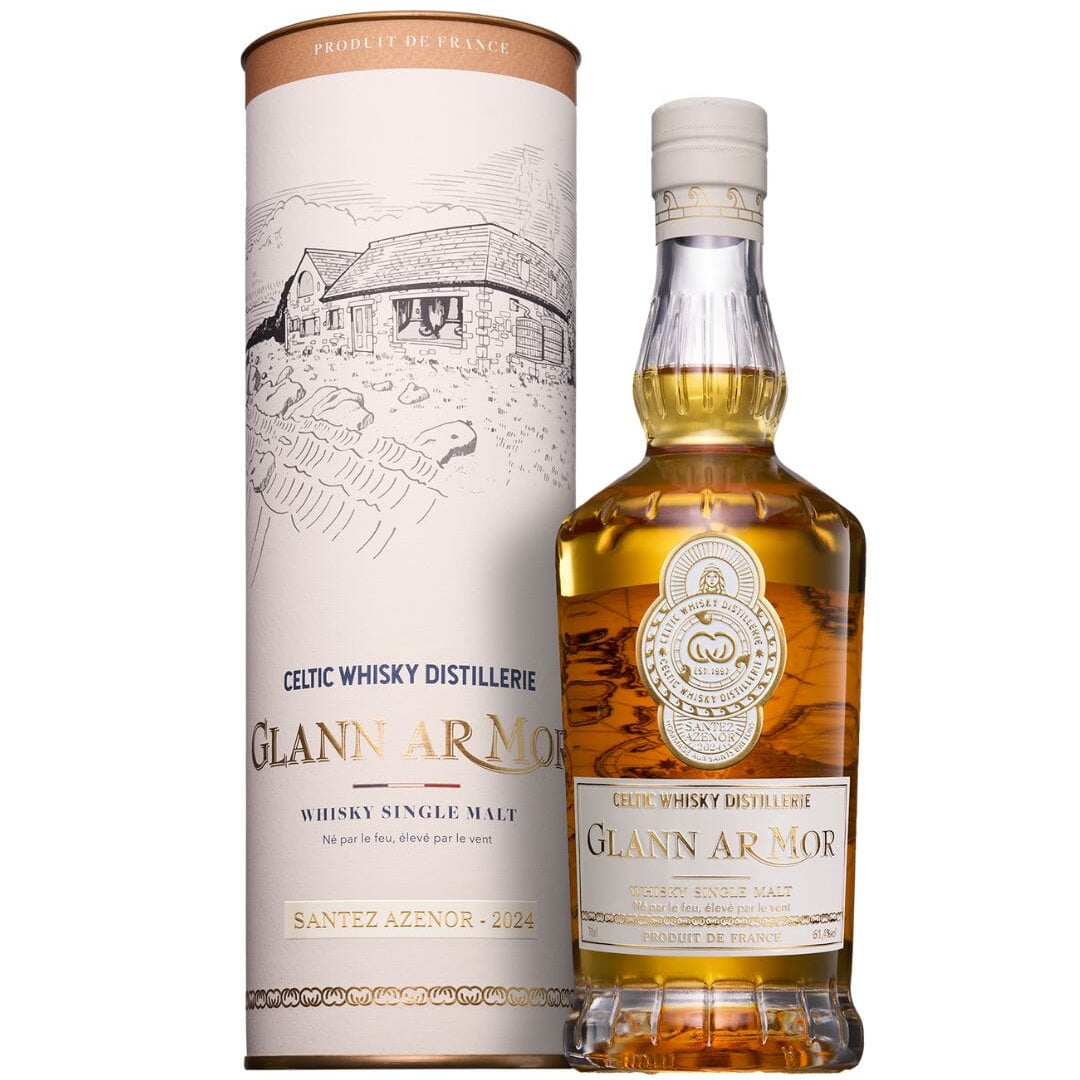
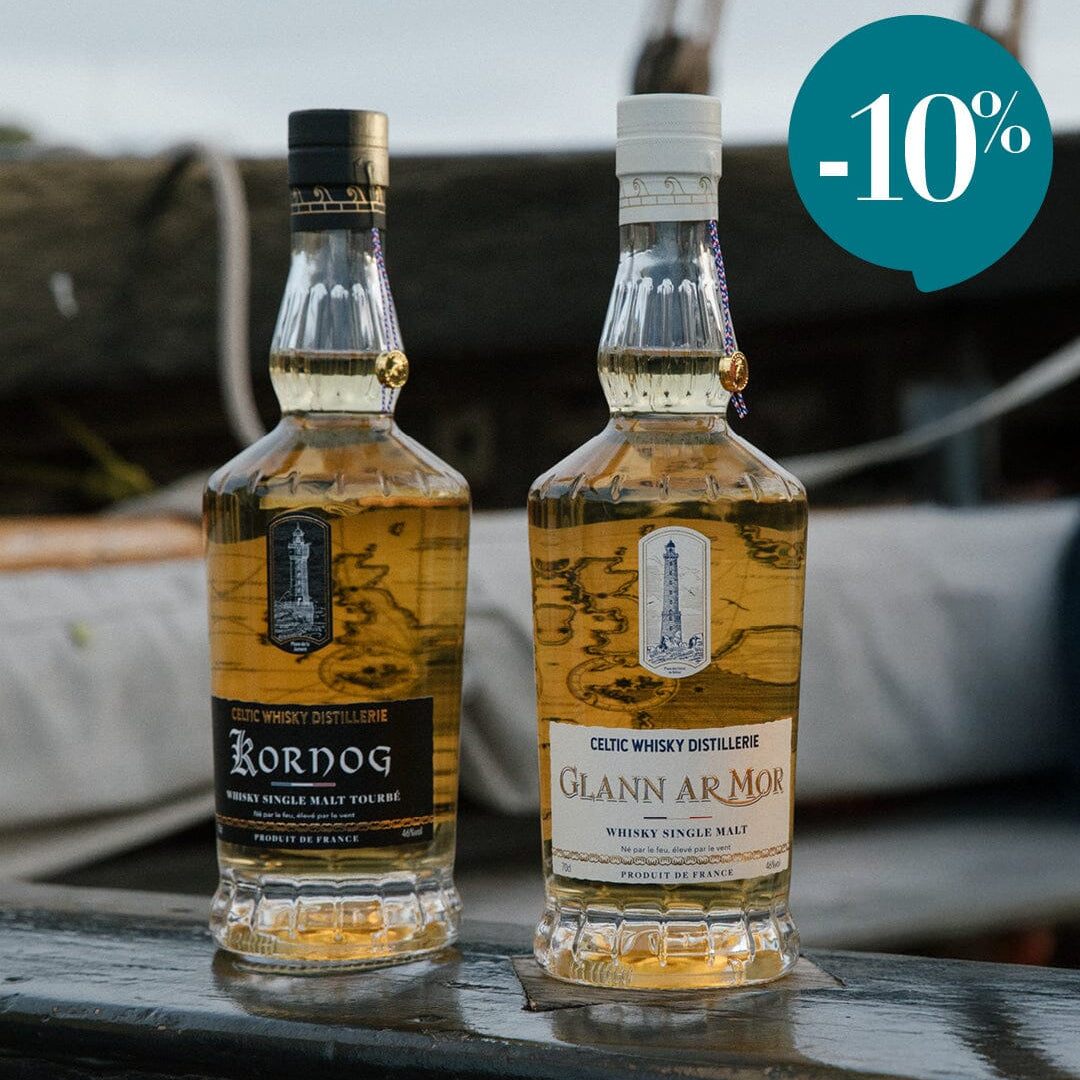
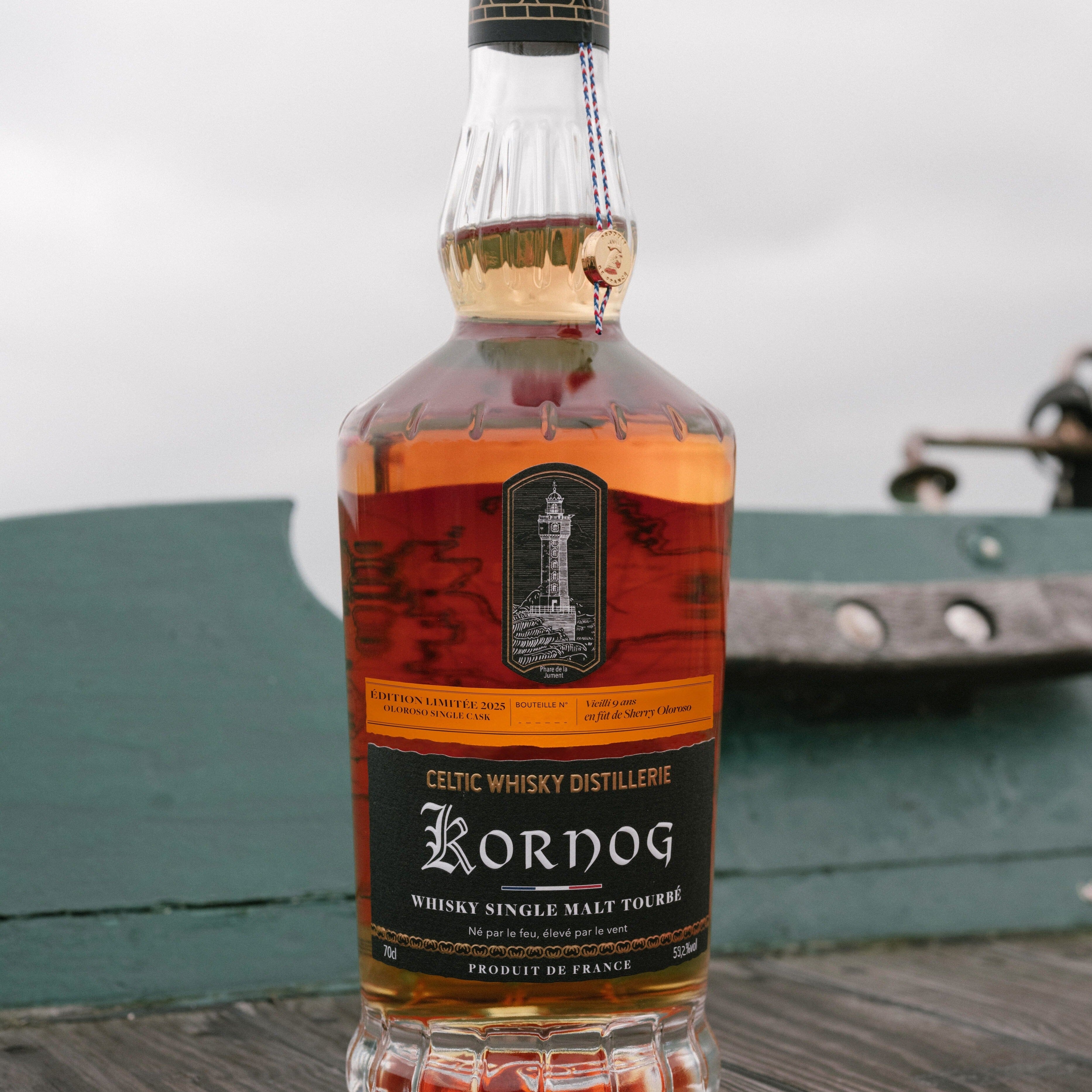
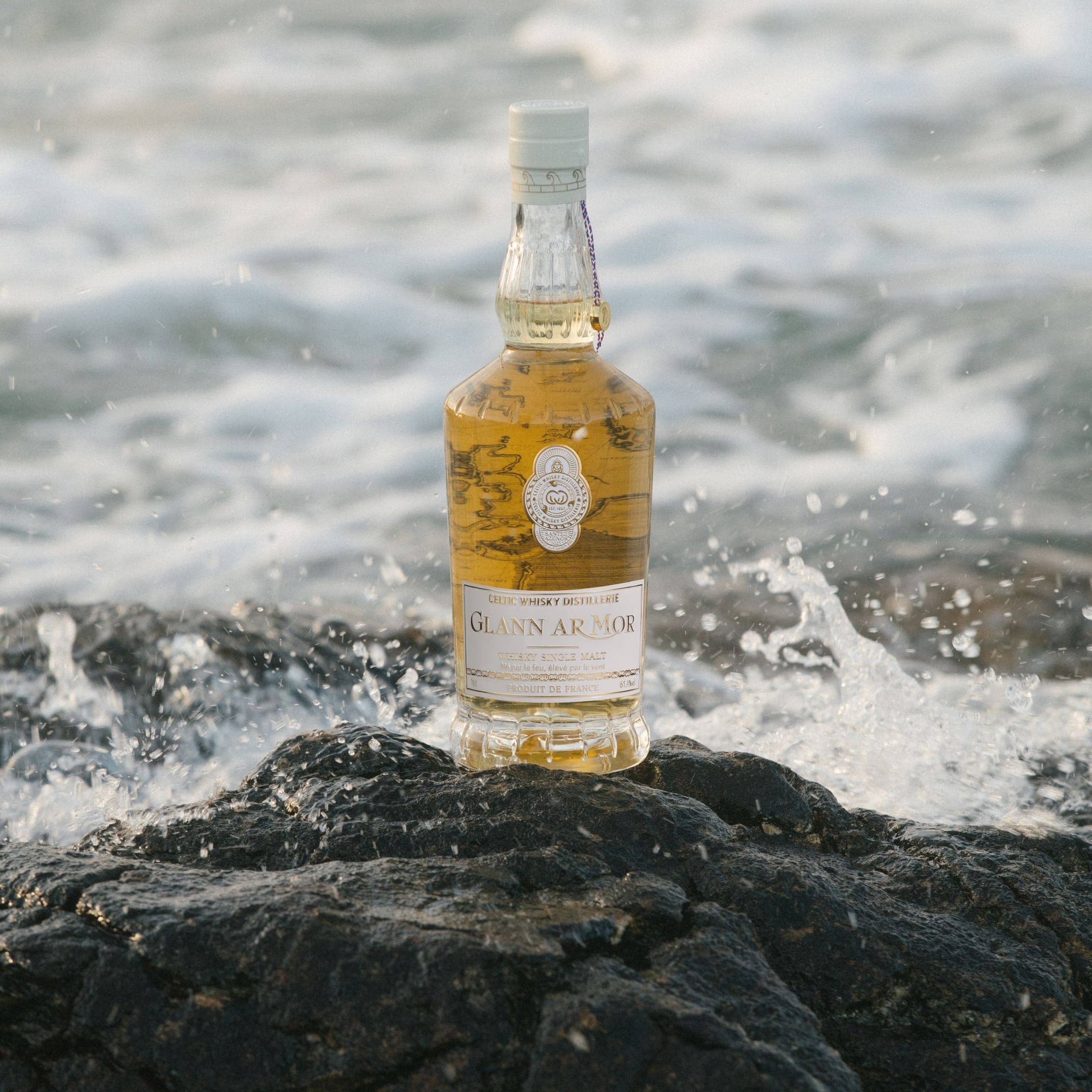
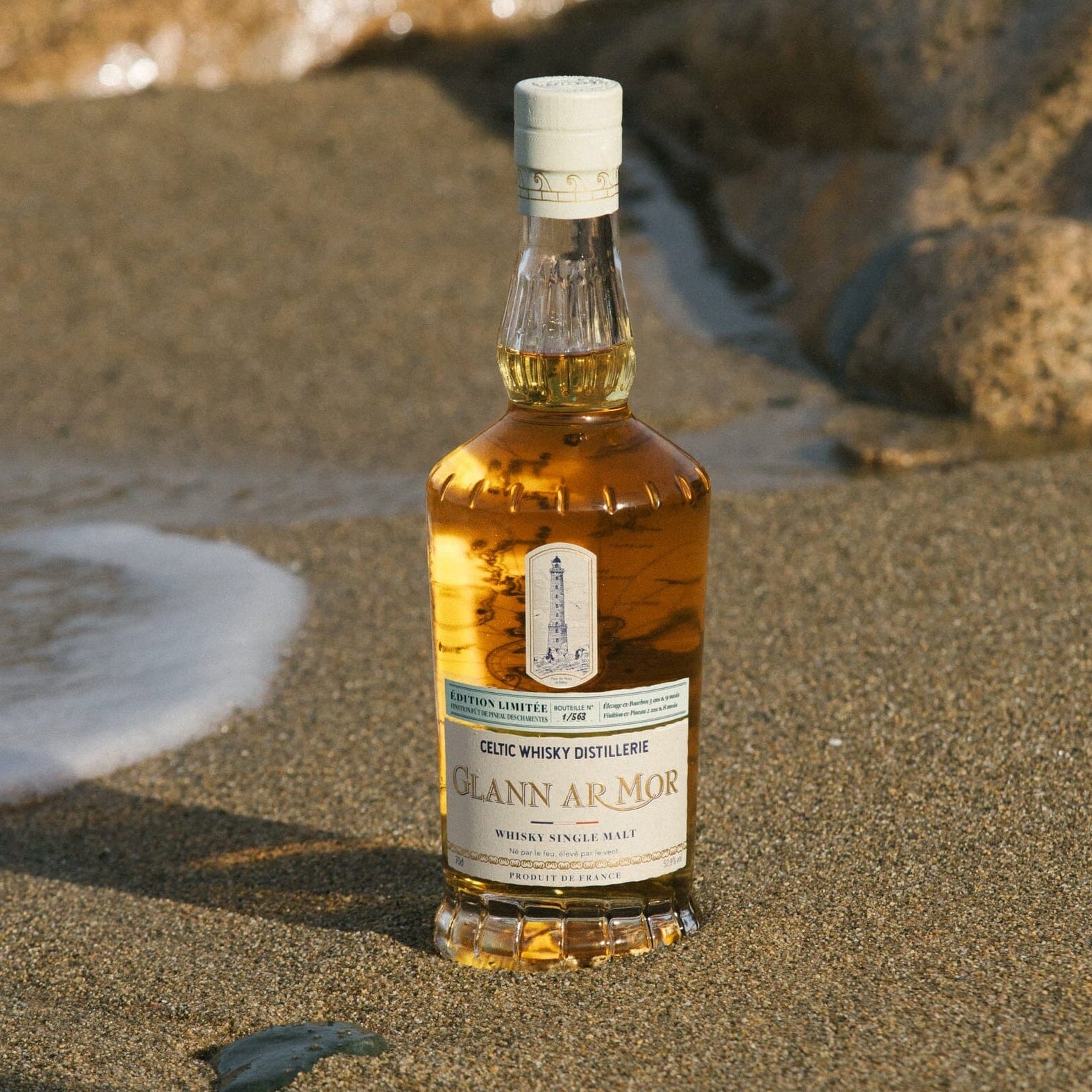
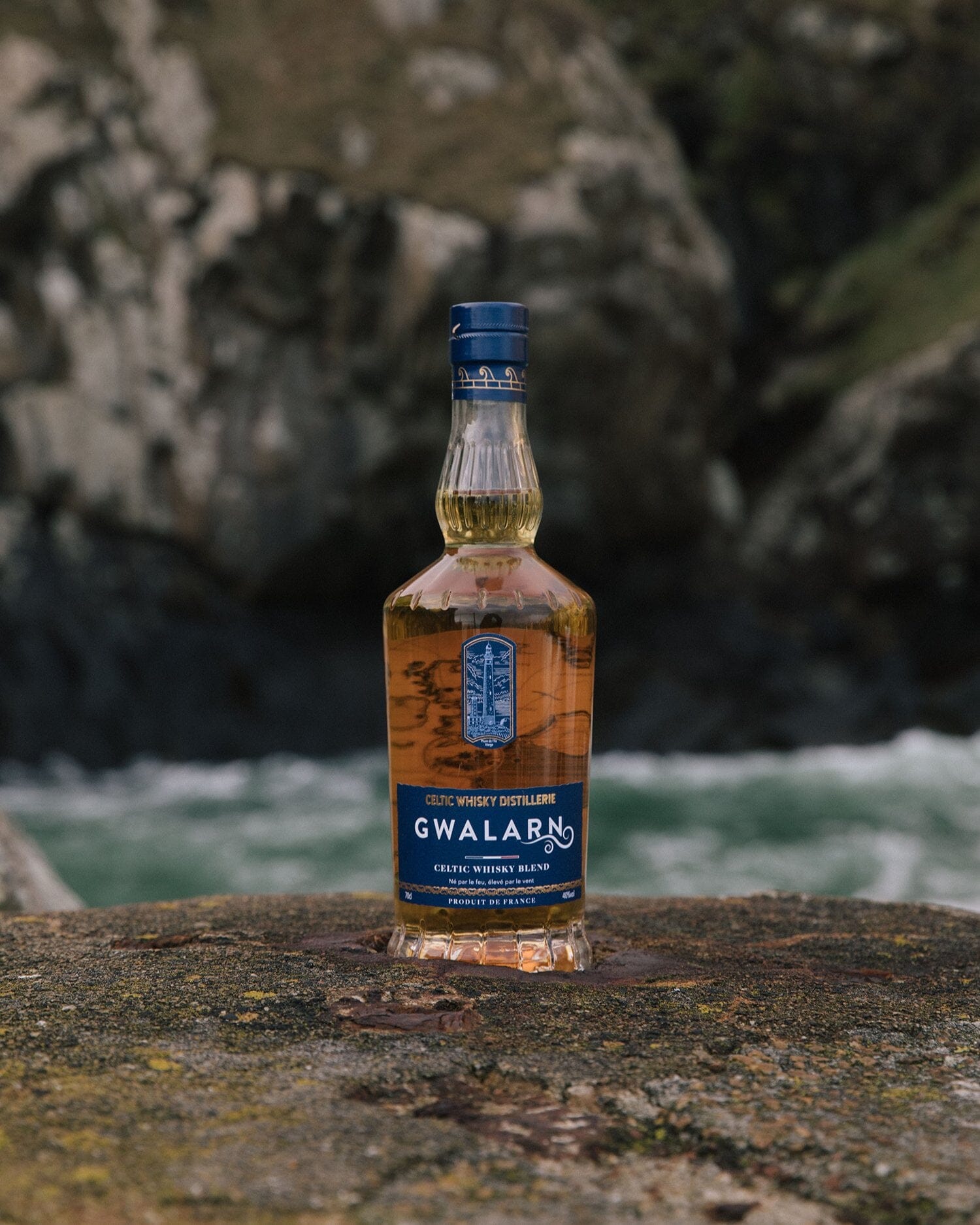
France is developing an innovative French whisky industry that is making its mark on the international stage. French whisky producers like Kornog, Glann ar Mor, and Gwalarn are increasingly numerous. French whisky is characterized by its creativity: the use of casks that previously held fine French wines, and the revival of heritage barley varieties. This new French school of whisky proves that French whisky can rival the world's best, thanks to French expertise in fine spirits.
Scotland: the birthplace of Scotch whisky
Scotland remains the world's benchmark with its five distinct whisky-producing regions. The Highlands offer complex whiskies with fruity notes, the Lowlands produce smoother spirits, while Islay captivates with its peaty whiskies boasting powerful briny aromas. Speyside prioritizes elegance and finesse.
Ireland: the triple distillation tradition
Ireland maintains a tradition of triple distillation, creating remarkably smooth spirits. Irish whiskeys are distinguished by their roundness and fruity notes, and are less peaty than their Scottish counterparts.
United States: Bourbon and Rye Innovation
America is developing its own styles with bourbon, made primarily from corn and aged in heavily charred new barrels, creating characteristic vanilla profiles. Rye whiskey, more peppery, is experiencing a remarkable revival.
Japan: Japanese Excellence
Japan is revolutionizing the world of whisky with a unique perfectionist approach, combining traditional Scottish techniques and local innovations to create whiskies of exceptional purity.
The different types of whiskies
Single Malt: pure expression
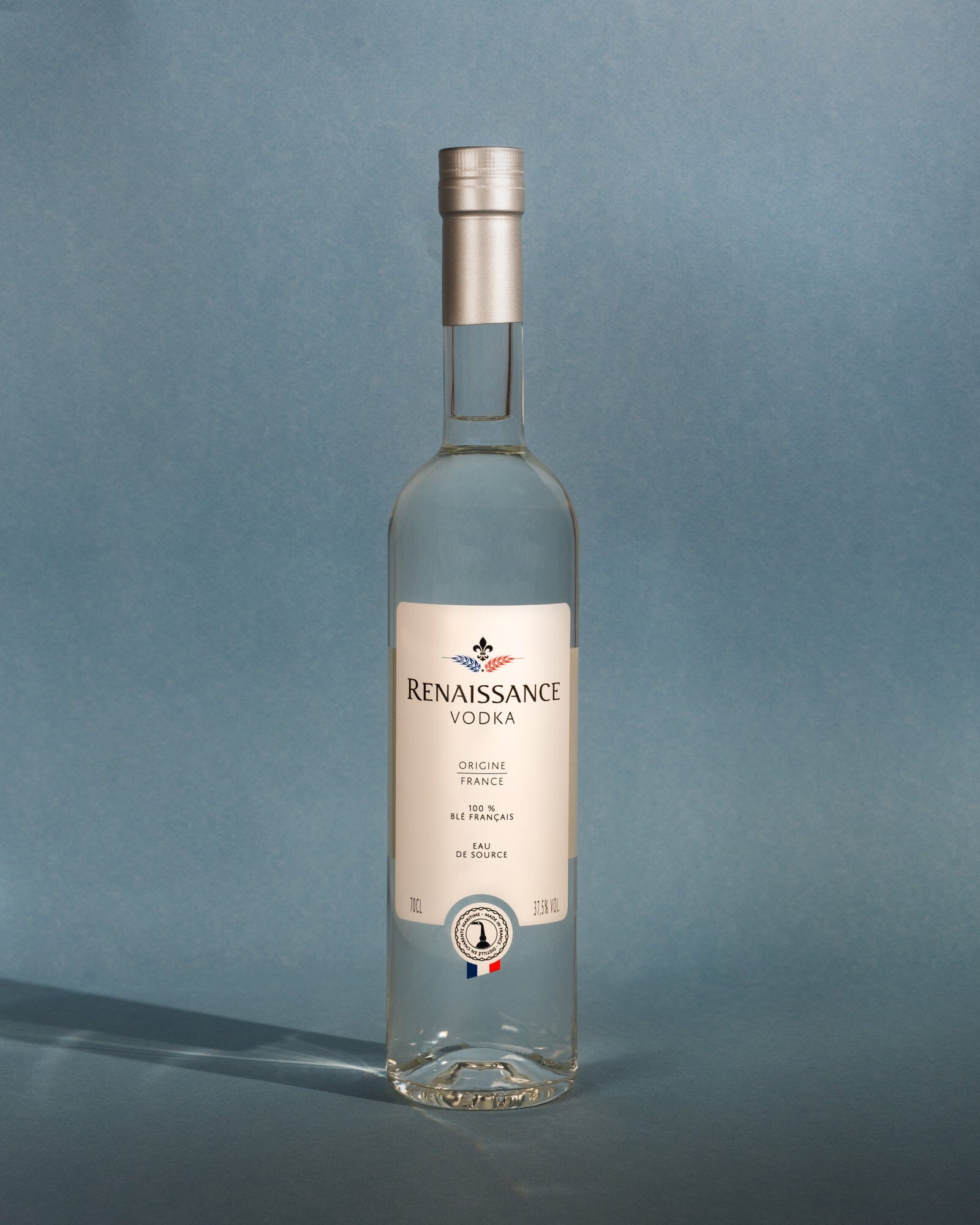
Single malt, produced by a single distillery using only malted barley, represents the purest expression of the terroir. Unlike thevodkaWhile seeking neutrality, single malt cultivates its singularity.
Blend: the art of blending
Blended whiskies or blended malts combine different single malts and/or grain whiskies to create balanced and consistent profiles, representing the majority of global production.
Bourbon and Rye: American specialties
Bourbon contains a minimum of 51% corn and develops characteristic vanilla aromas. Rye whiskey, with a minimum of 51% rye, offers distinctive spicy and peppery notes.
Understanding whisky aging and aromas
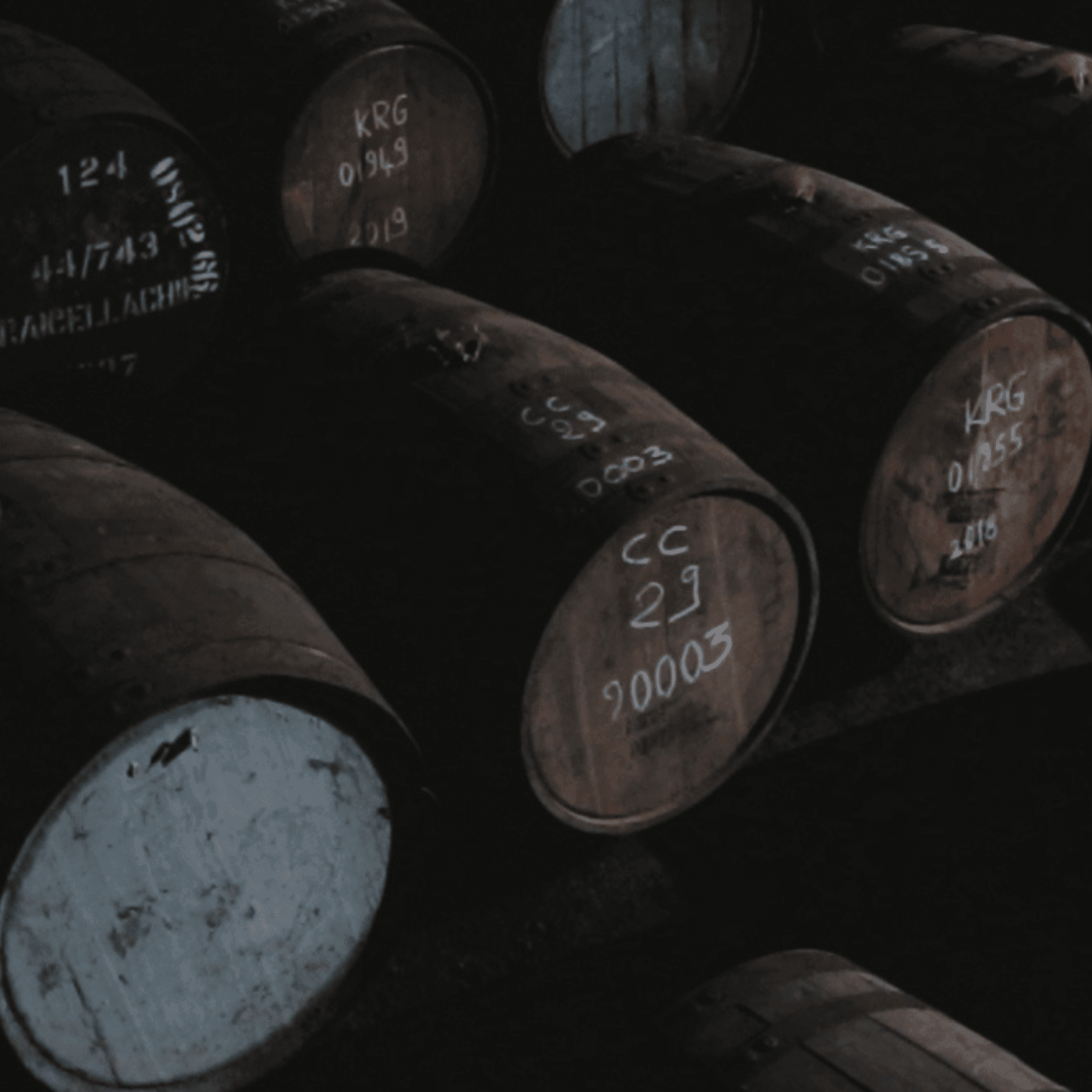
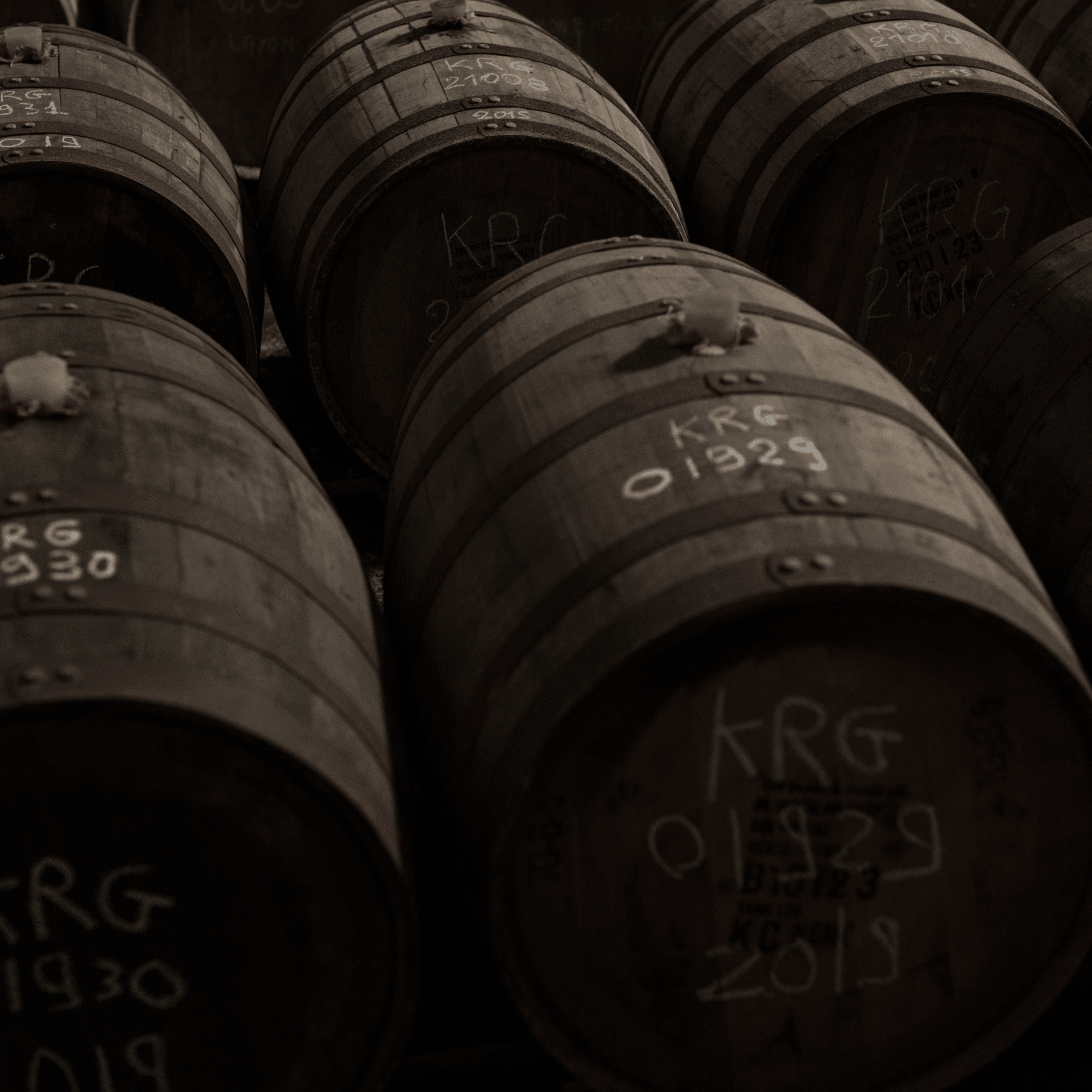
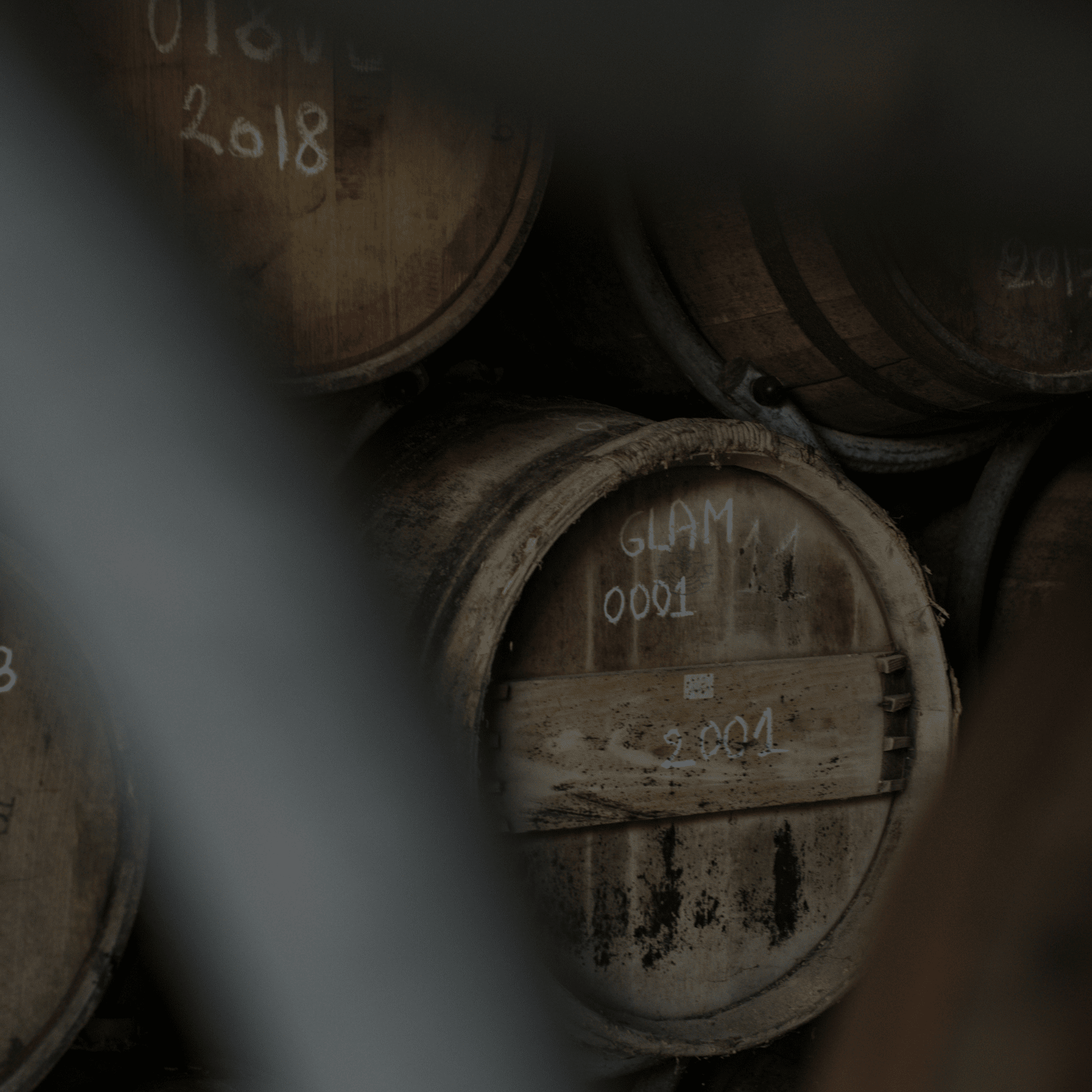
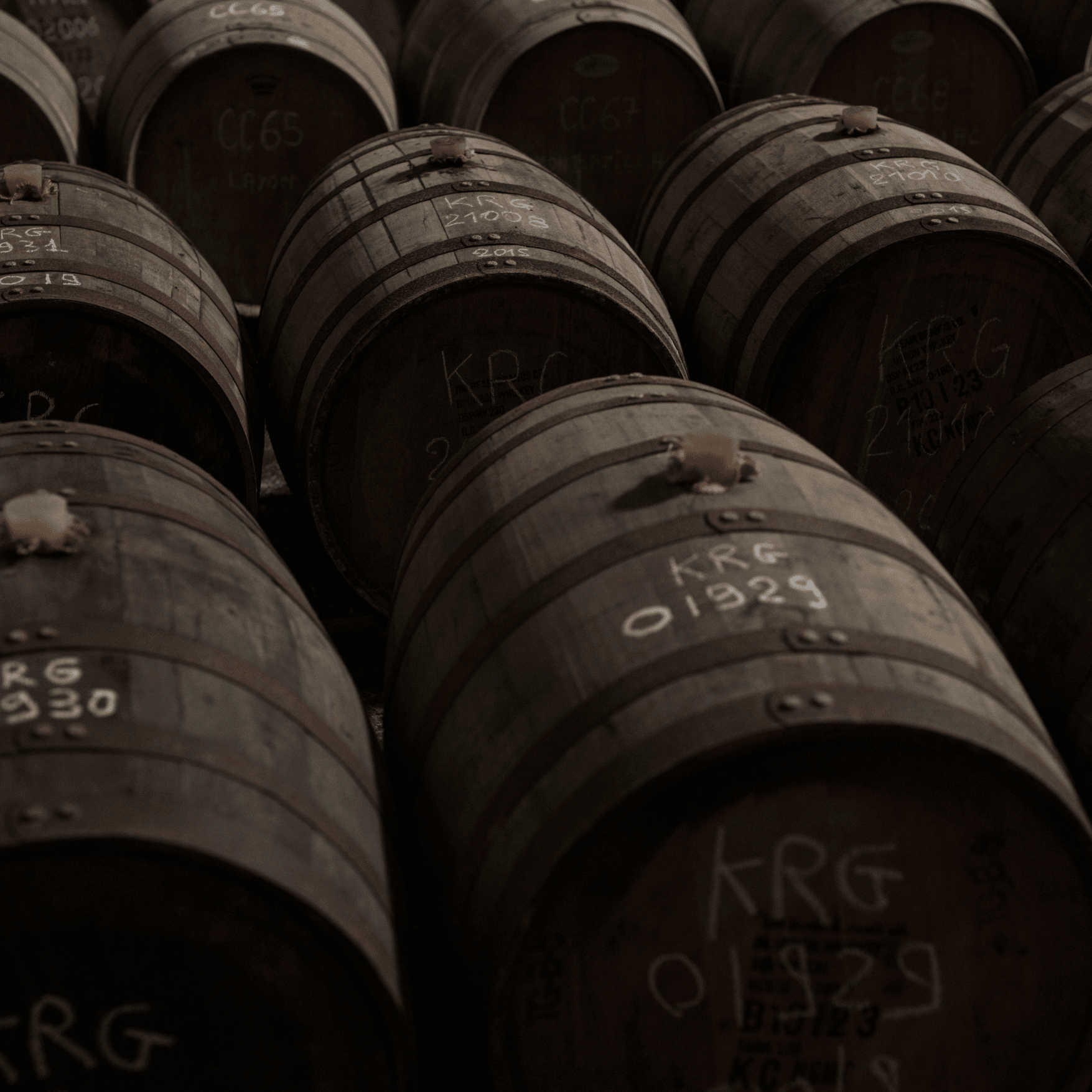
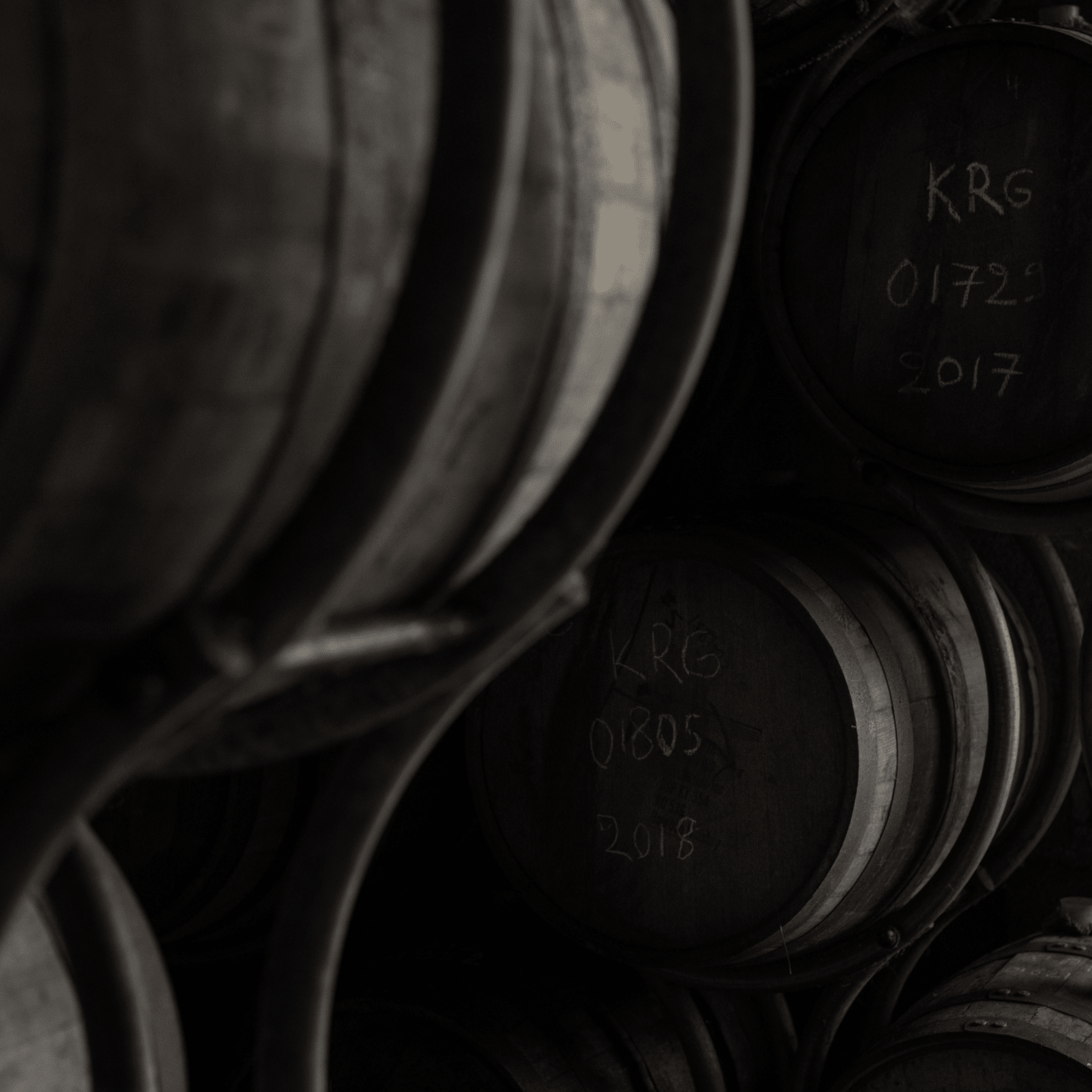
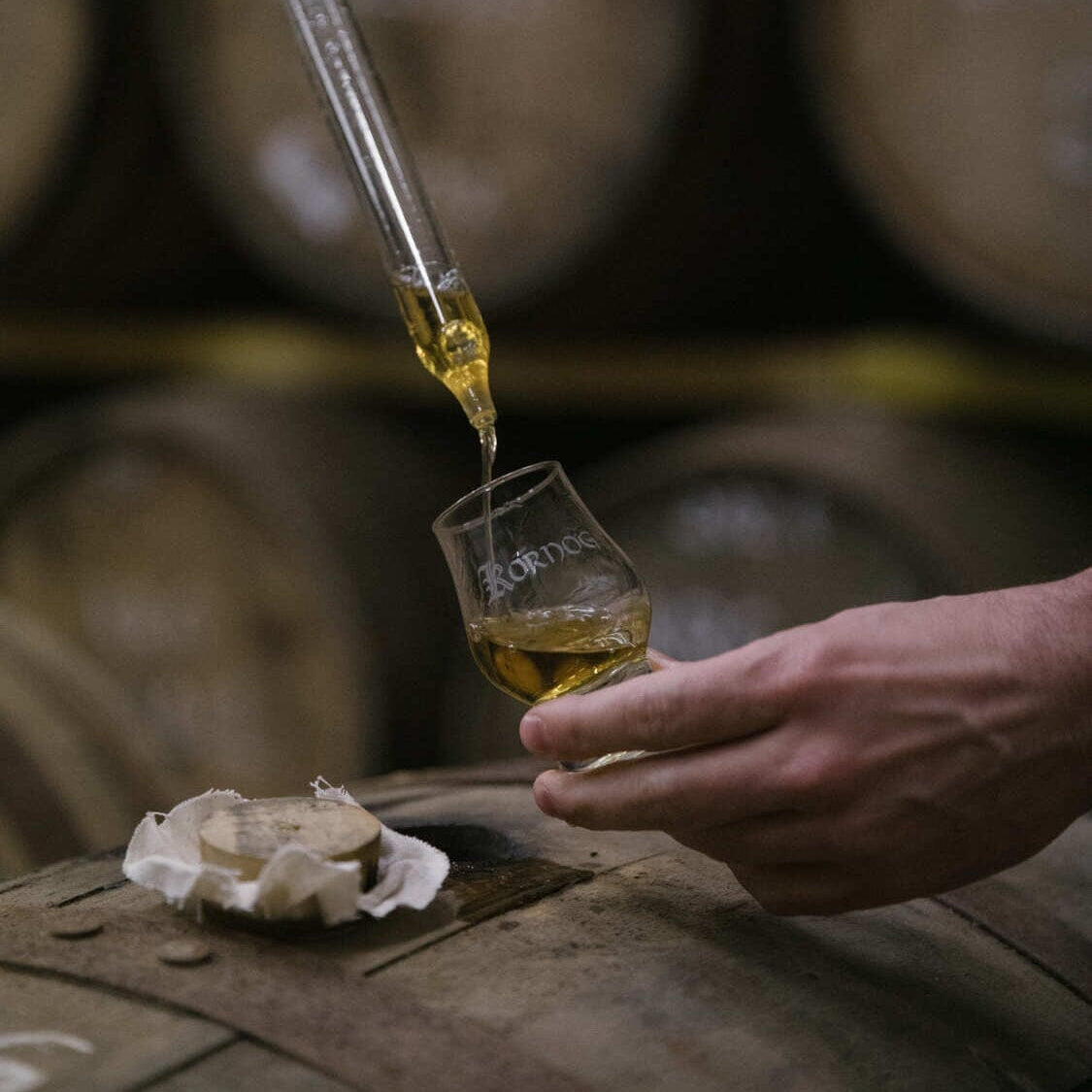
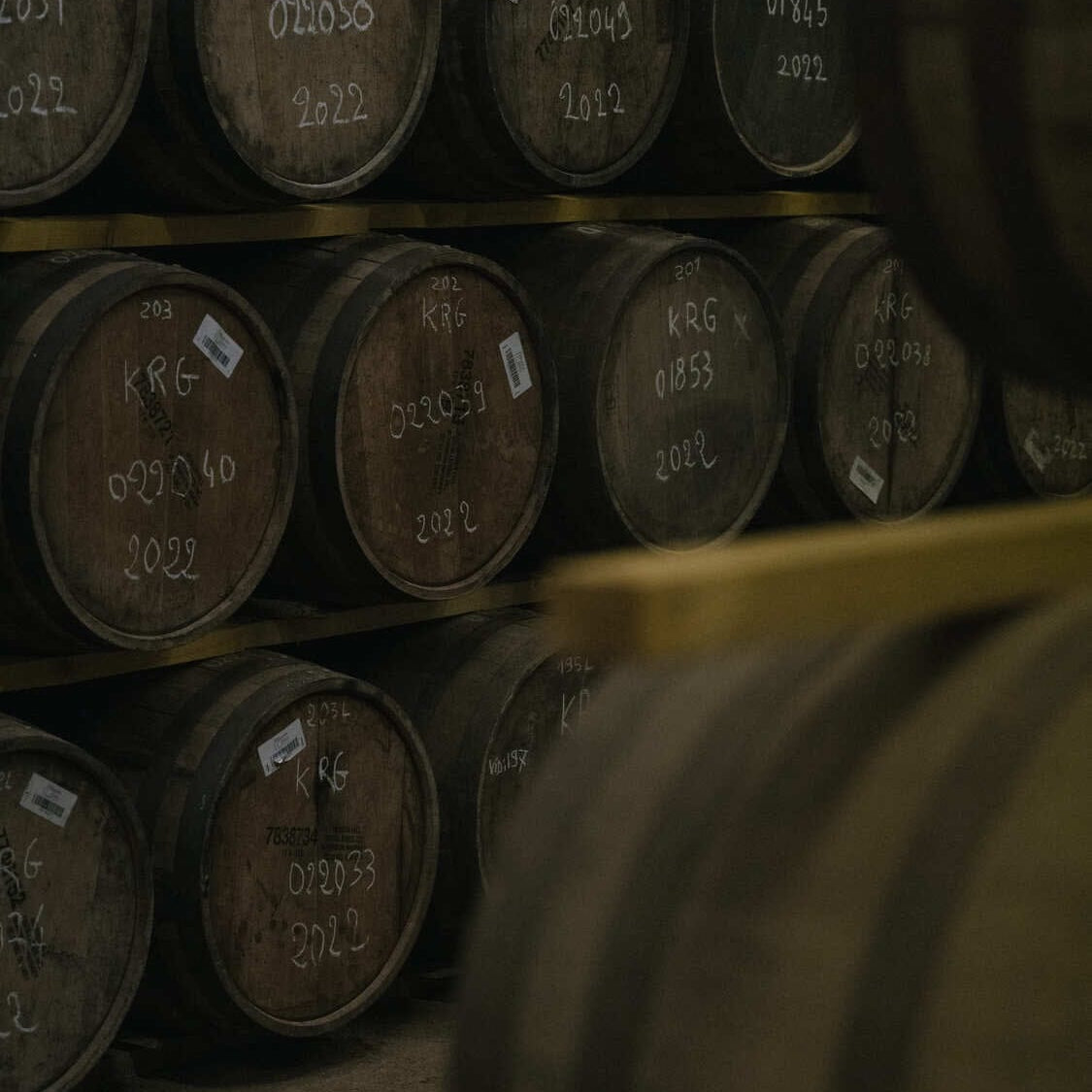
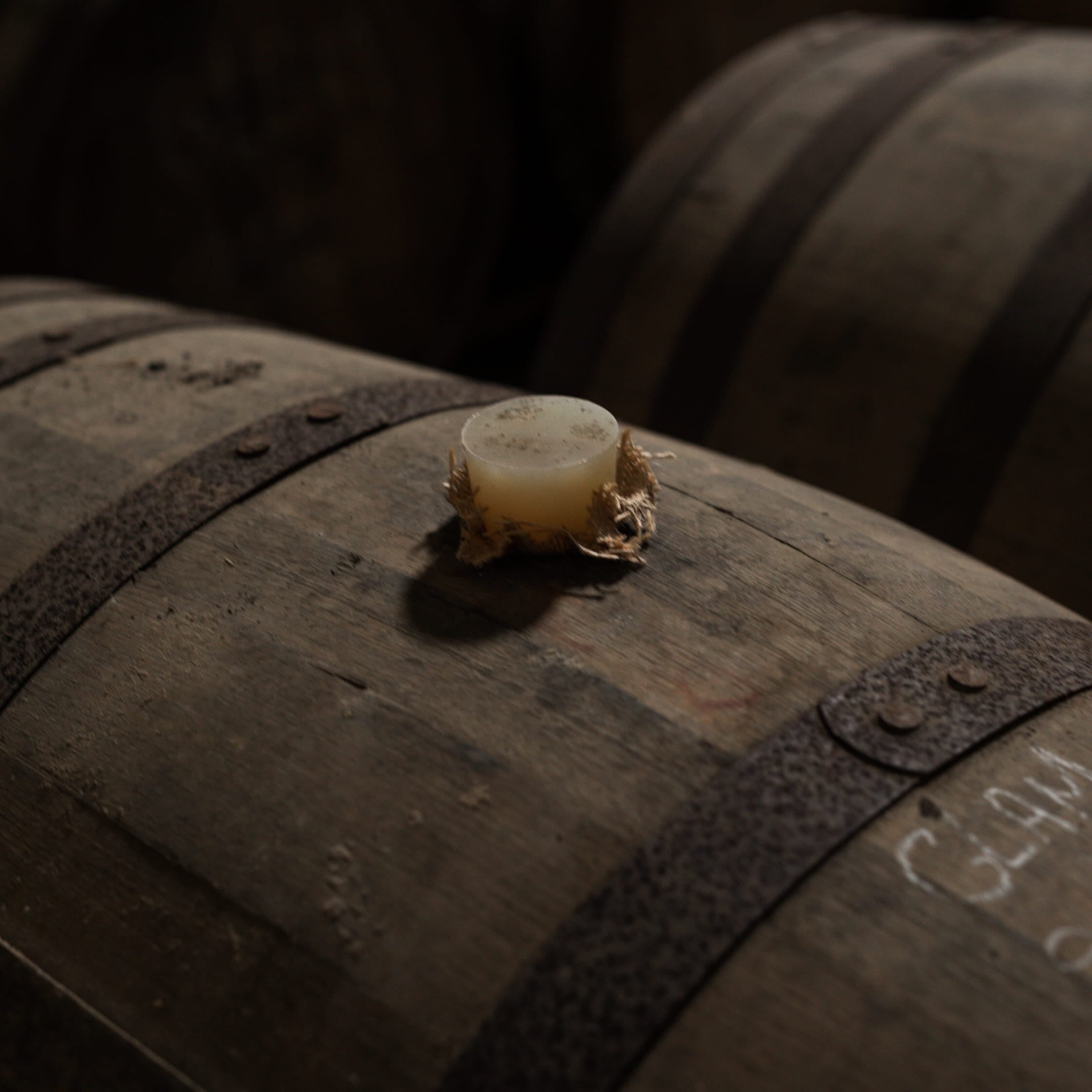
The aging of French whisky in oak barrels is the crucial step that fundamentally transforms the spirit, giving it its typically French color, aromas, and complexity. French cellar masters often use barrels that previously held bourbon and/or fine French wines: cognac, armagnac, Sauternes, or great Bordeaux wines, imparting unique characteristics to French whisky.
The aromatic evolution follows a fascinating process: the early years develop fruity and floral notes, while extended aging brings aromas of dried fruit, spices, and leather. The balance between alcohol and aromatic compounds gradually refines, creating increasingly complex and sophisticated French whiskies. Climate and environmental influences in general significantly impact this process, with temperature variations accelerating the interaction between the whisky and the wood.
The aromatic profile of whisky develops an exceptional range: fruity notes (apple, pear, citrus), floral notes (honey, heather), spicy notes (cinnamon, nutmeg), woody notes (vanilla, caramel), and sometimes peaty notes (smoke, iodine). This diversity, much more pronounced than in theginor vodka, makes whisky a spirit of incomparable richness, ideal forcocktails like the Manhattan.

 Loyalty program