How to choose your tequila?
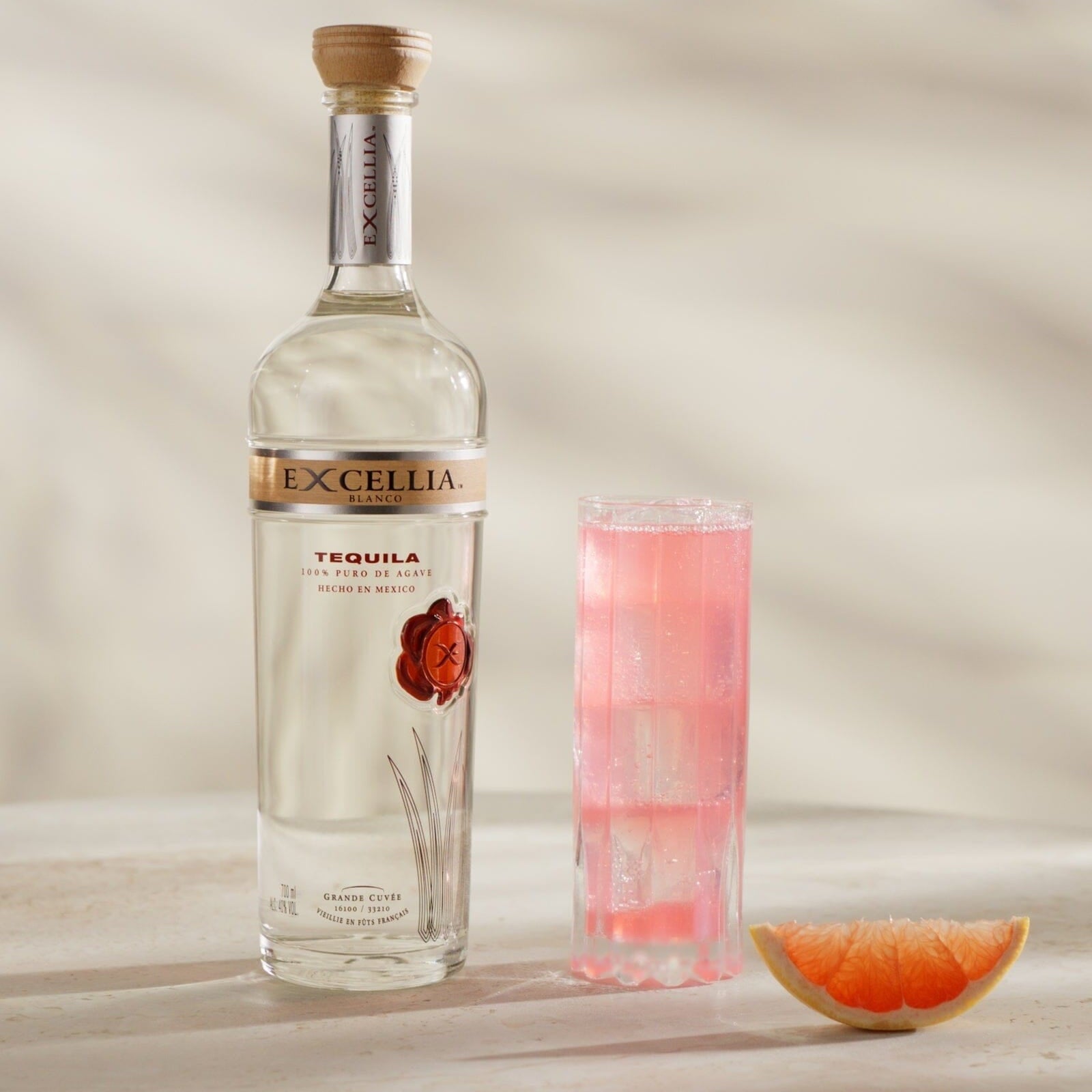
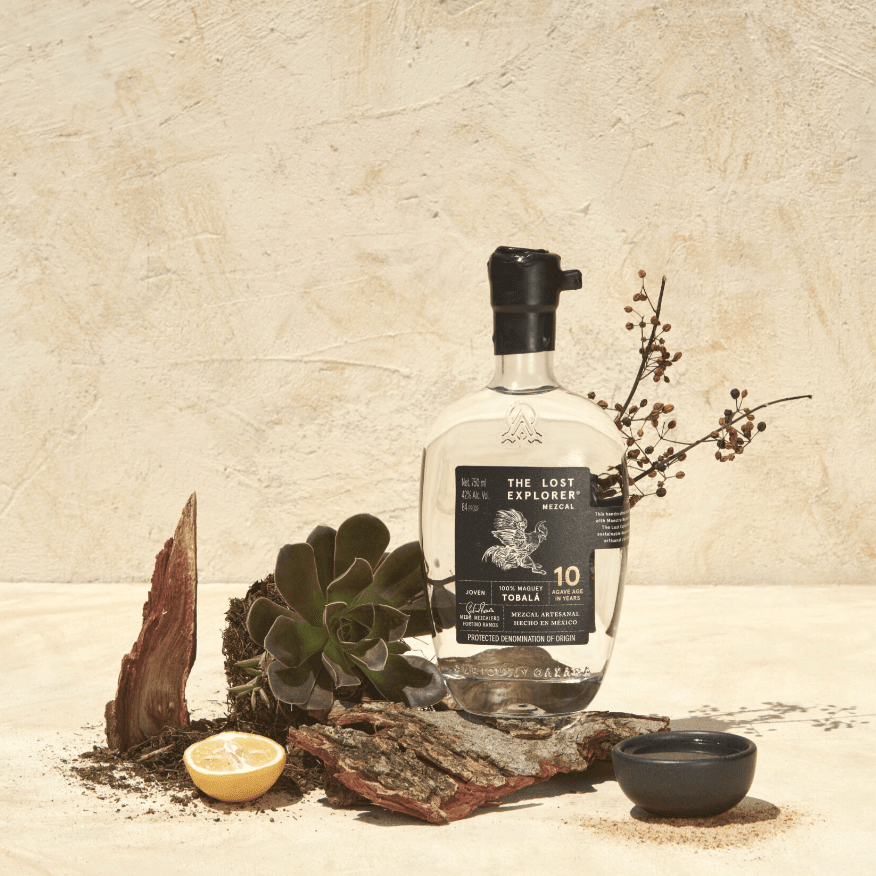
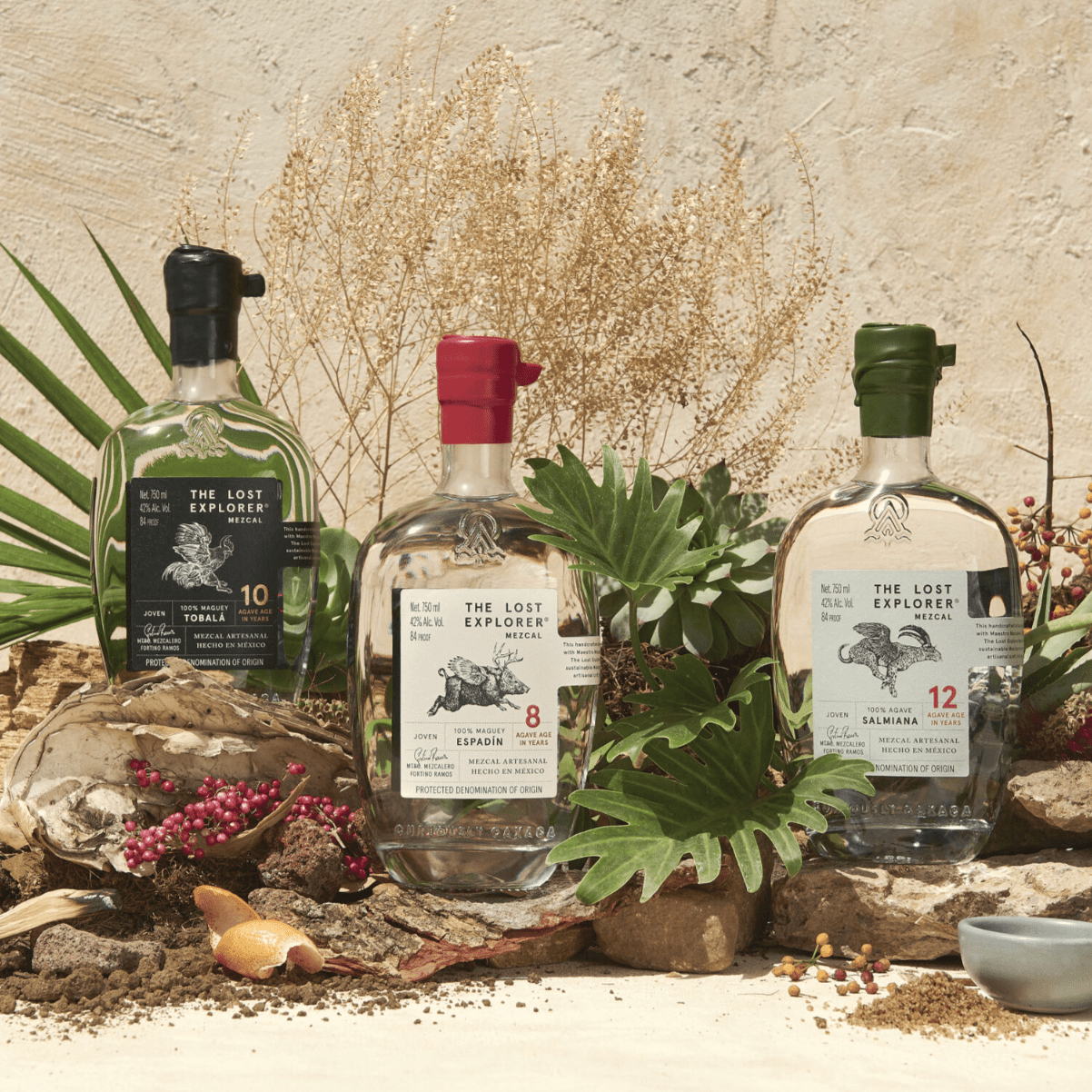
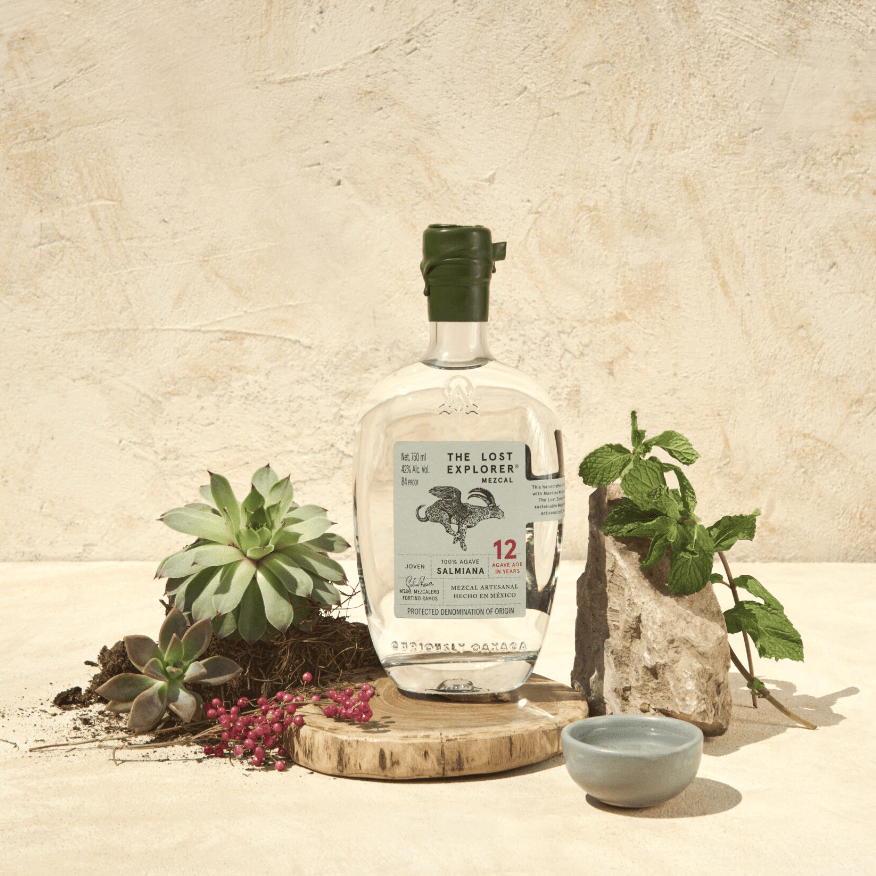
Choosing a tequila depends primarily on its intended use and personal taste. For mixology, opt for a high-quality blanco tequila, which will bring character and authenticity to your cocktails without overpowering the other ingredients. Its freshness and crispness will particularly enhance citrus-based creations. Reposado tequilas offer an interesting alternative for more sophisticated cocktails, adding a subtle woody dimension. Let yourself be inspired byour cocktail recipe ideas to discover original creations that highlight each type of tequila according to its specific characteristics.
For pure tasting, opt for añejo and extra añejo tequilas, which reveal their full complexity when enjoyed neat. Serve them at room temperature in a tulip glass to concentrate the aromas, and take the time to appreciate their evolution on the palate. These premium expressions deserve the same attention as a fine whisky or cognac.
The main difference between premium and entry-level tequilas lies in the purity of the agave used. Look for "100% Agave" on the label, a guarantee of superior quality. Blended tequilas (a minimum of 51% agave supplemented with other sugars) are suitable for simple cocktails but don't reveal the finesse of the Mexican terroir. Age, artisanal production methods, the distillery's reputation, and awards are all indicators for identifying exceptional expressions that will enrich your spirits collection. As with the greatwhiskiesOrcognacsInvesting in quality tequila truly transforms the tasting experience.
The different types of tequila
Tequila comes in several categories, each offering a unique tasting experience.
Tequila Blanco: pure and unadulterated
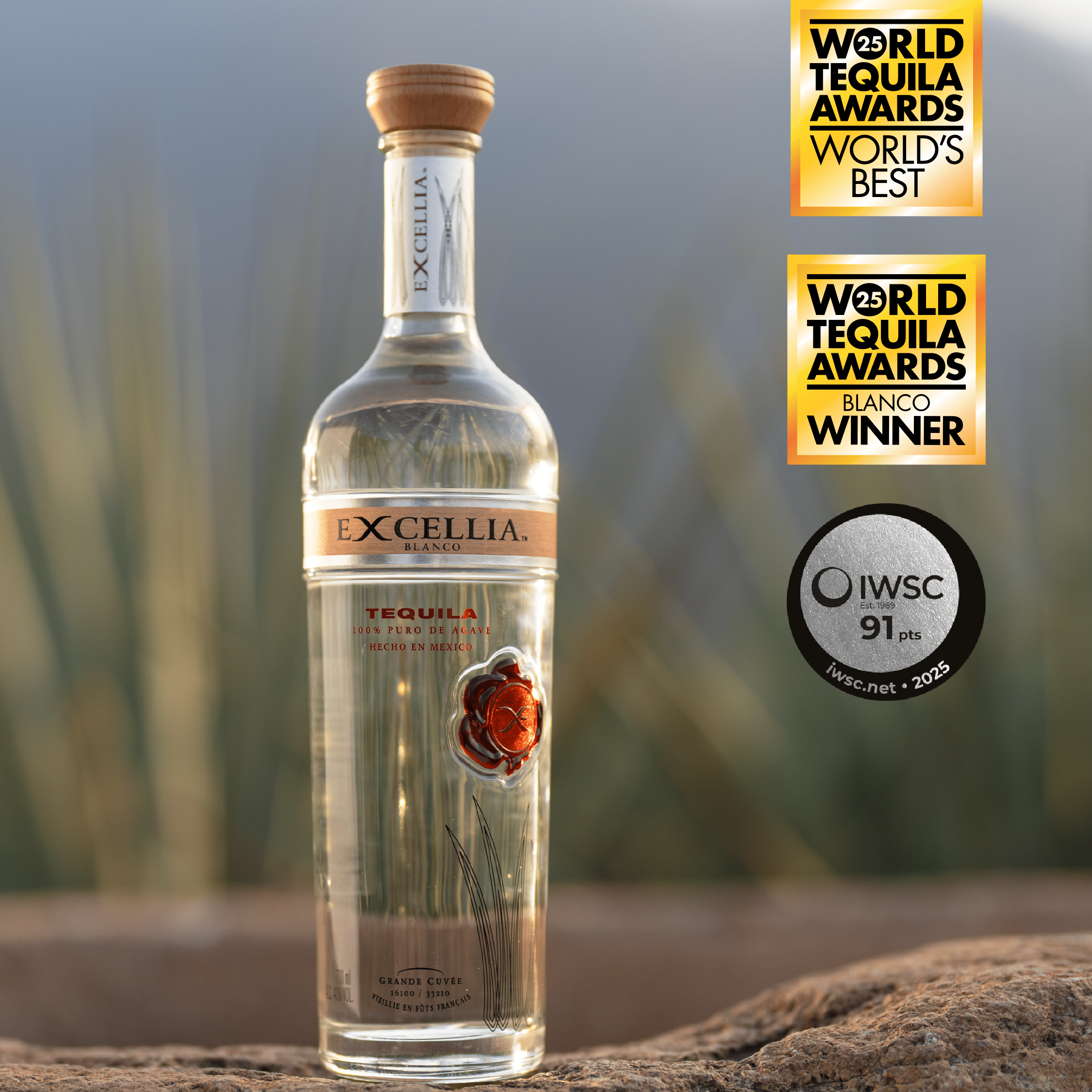
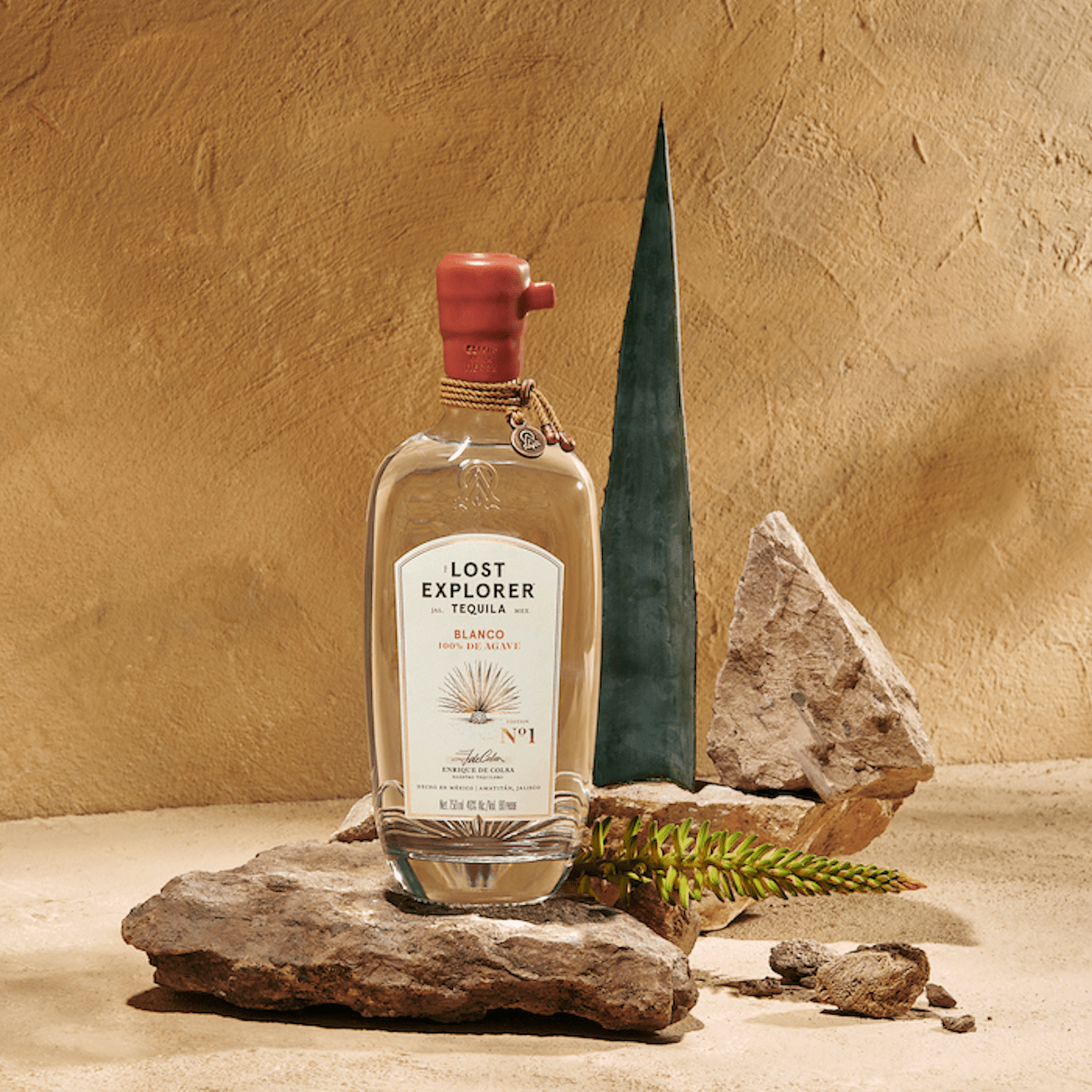
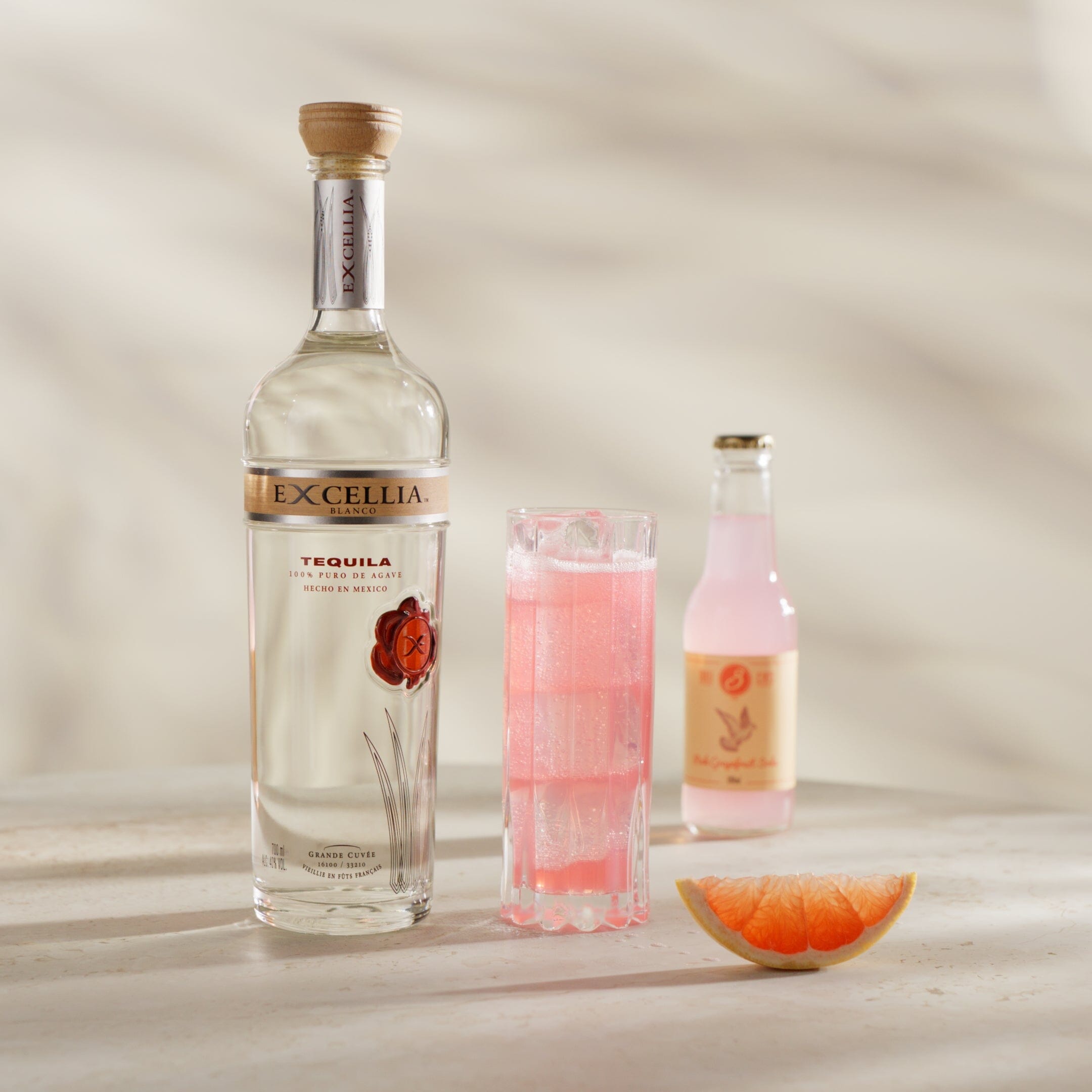
Blanco tequila, also called "silver" or "plata," represents the very essence of agave in its purest form. Unaged or rested for less than two months in neutral tanks, it retains the freshness and aromatic intensity of blue agave. Its crystalline profile and herbaceous and smoky notes make it the ideal base for iconic cocktails like the margarita or the paloma. Its vibrancy and clarity particularly appeal to bartenders looking for an expressive tequila capable of enhancing their creations. To begin your exploration, ourMargarita cocktail recipeclassic will showcase a fine blanco tequila, while thecocktail palomaperfectly reveals the authentic aromas of blue agave.
Tequila Reposado: the perfect balance
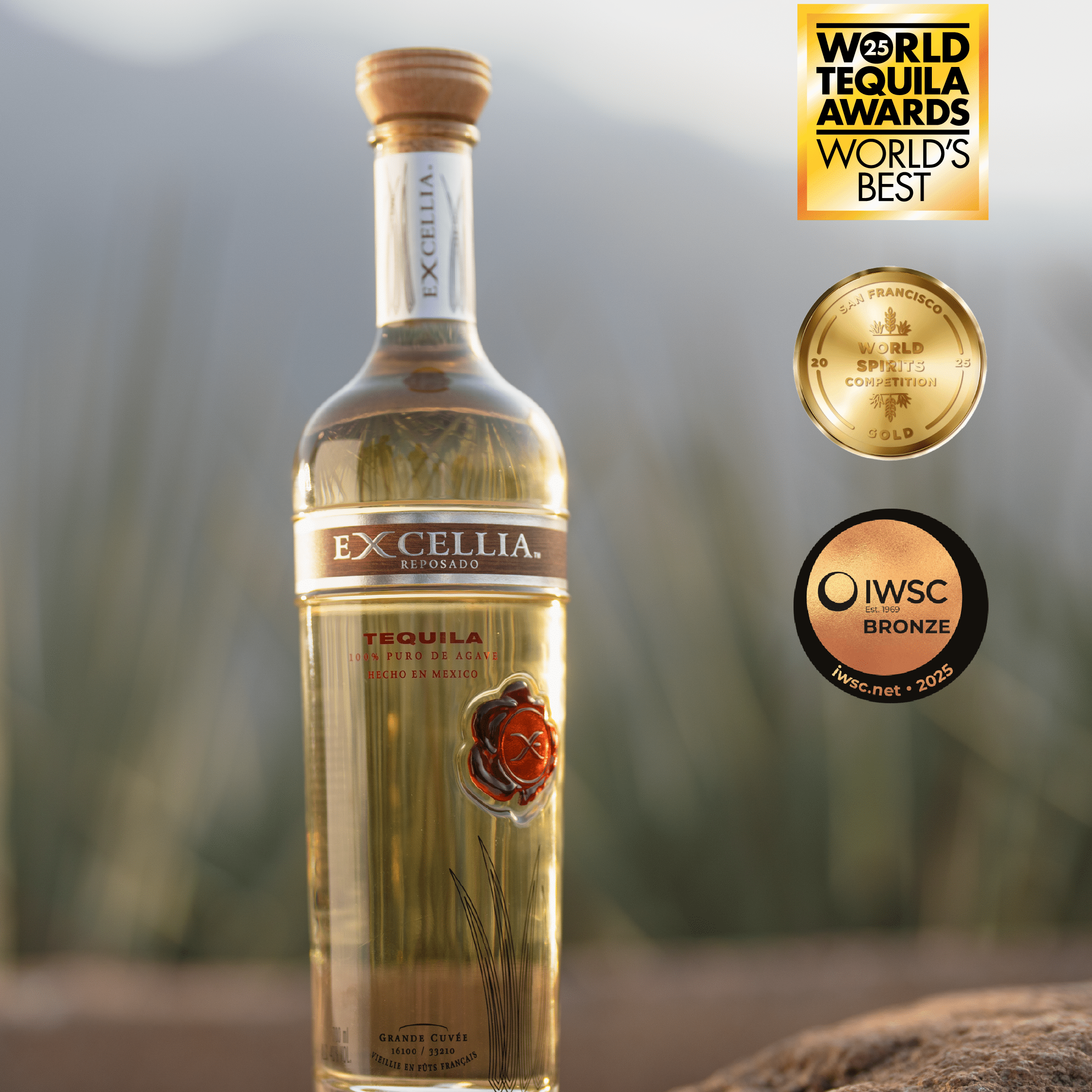
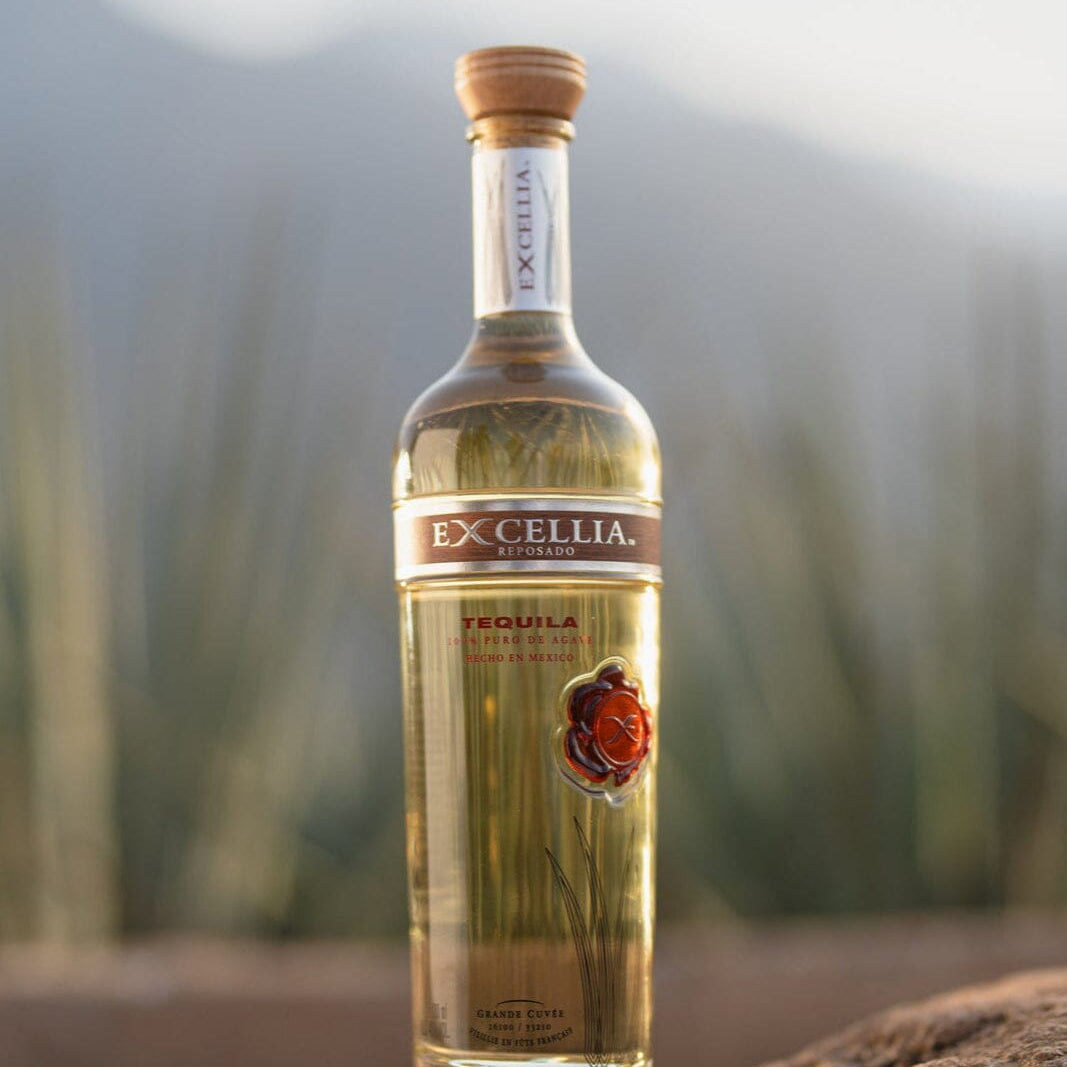
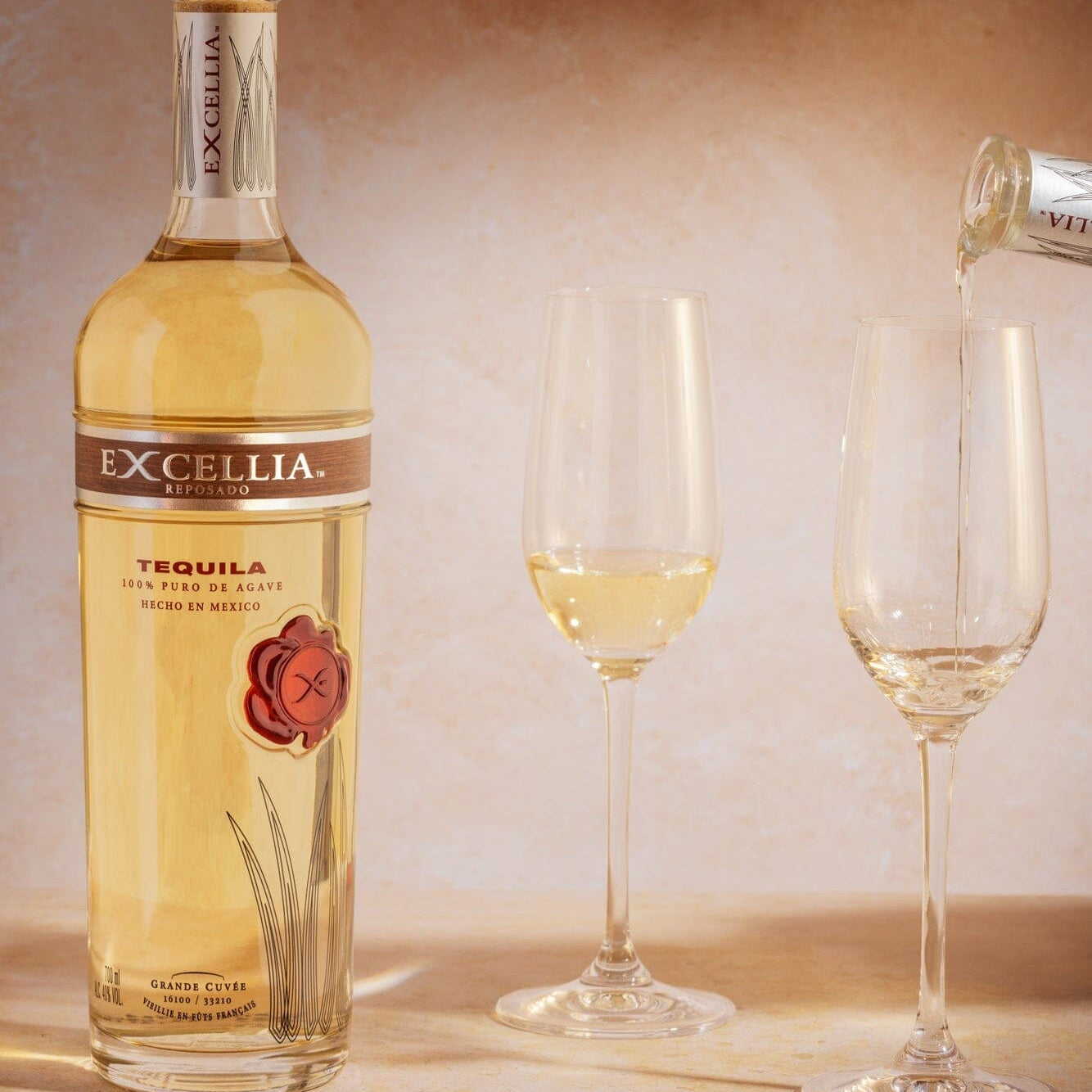
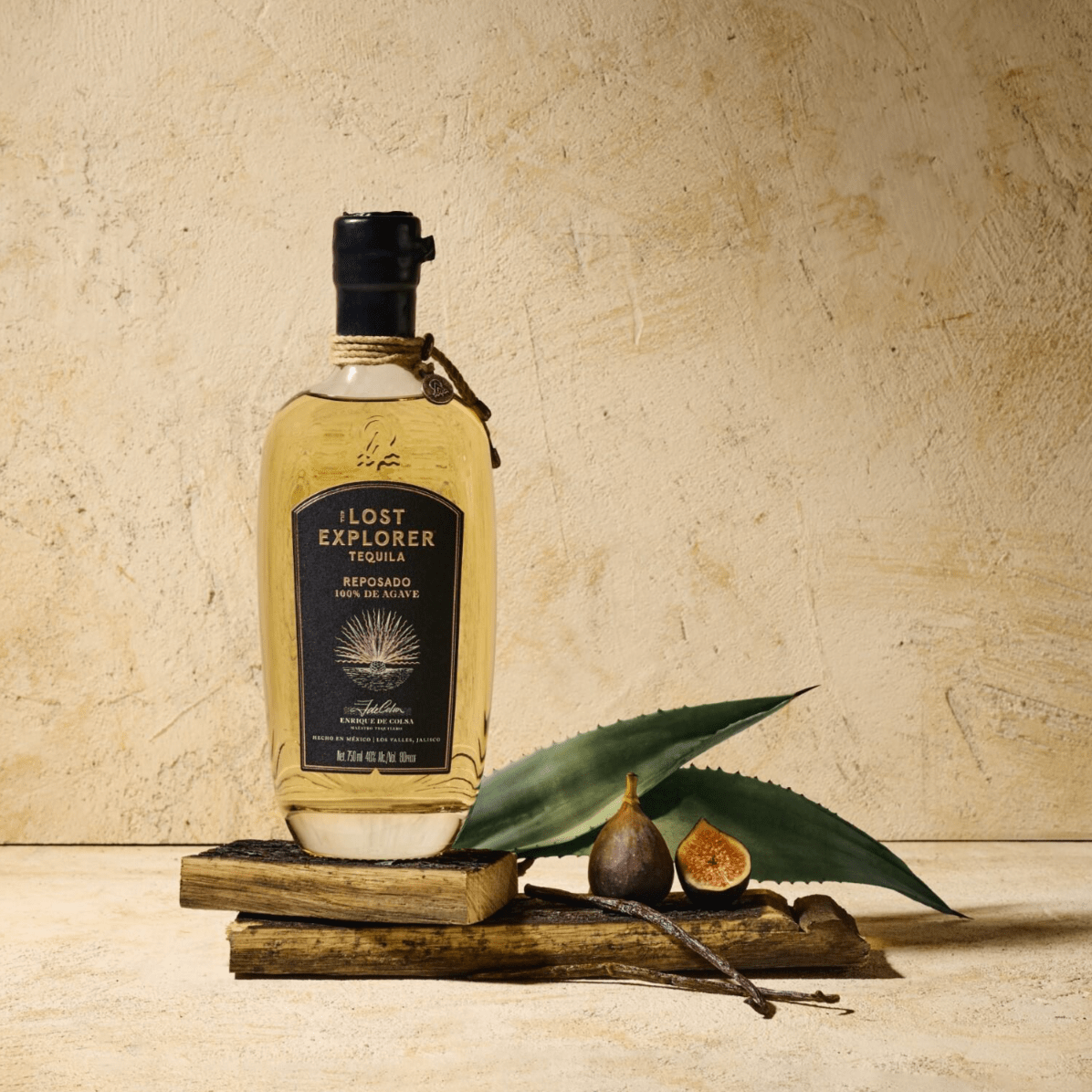
Reposado tequila is aged in oak barrels for two to eleven months, giving it a more complex character. This maturation imparts subtle woody aromas and a smooth mouthfeel that harmoniously complements the agave's character. Vanilla and spicy notes develop delicately, creating a perfect balance between freshness and sophistication. This category represents the ideal compromise between the vibrancy of blanco and the complexity of older tequilas.
Tequila Añejo: the sophistication of aging
Aged for one to three years in oak barrels, Añejo tequila develops remarkable complexity. Prolonged contact with the wood enriches its aromatic profile with notes of caramel, chocolate, dried fruit, and sweet spices. Its golden color testifies to this patient maturation, which transforms the fiery spirit of the agave into a refined and elegant spirit. These tequilas are best enjoyed neat, at room temperature, to fully appreciate their rich flavor.
Tequila Extra Añejo: prestige excellence
The crowning achievement of tequila making, extra añejo tequila is aged for over three years in oak barrels, reaching peaks of aromatic complexity. These exceptional expressions reveal profound notes of leather, tobacco, candied fruit, and noble spices, the result of an exceptionally long maturation. Their deep amber color and silky texture make them spirits to be savored neat, slowly, to discover all the subtleties developed over the years.
Mexican Origin and Terroir
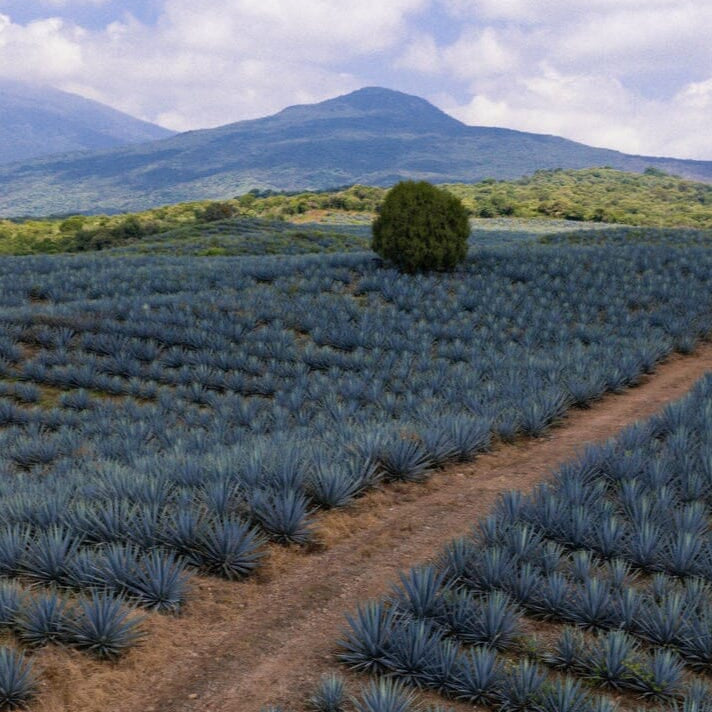
Tequila is much more than a spirit: it's a symbol of Mexican identity and culture. It benefits from a strict Protected Designation of Origin (PDO), which guarantees that only spirits made from the Tequilana Weber blue agave grown in specific regions of Mexico can be called "tequila." Puro de agave, made from 100% locally grown blue agave, is otherwise called mixto tequila.
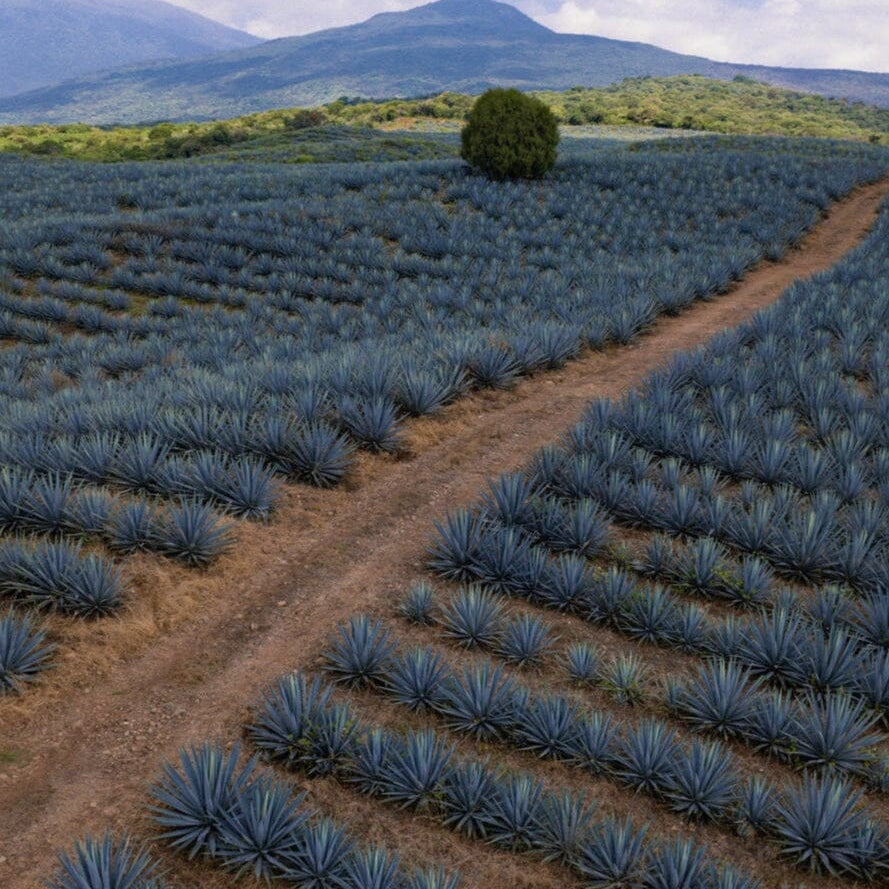
The most emblematic region is the state of Jalisco, the historical birthplace of tequila, with the city of Tequila at its heart. But other areas, Guanajuato, Michoacán, Nayarit and Tamaulipas, also participate in its production.
The Mexican terroir, marked by its volcanic soils and sunny climate, gives the agave a unique aromatic richness. Depending on the growing region – fertile valleys or high plateaus – the tequila reveals different profiles: more herbaceous and earthy on one hand, more floral, sweet and fruity on the other.

 Loyalty program