
Limited edition


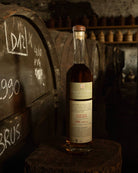


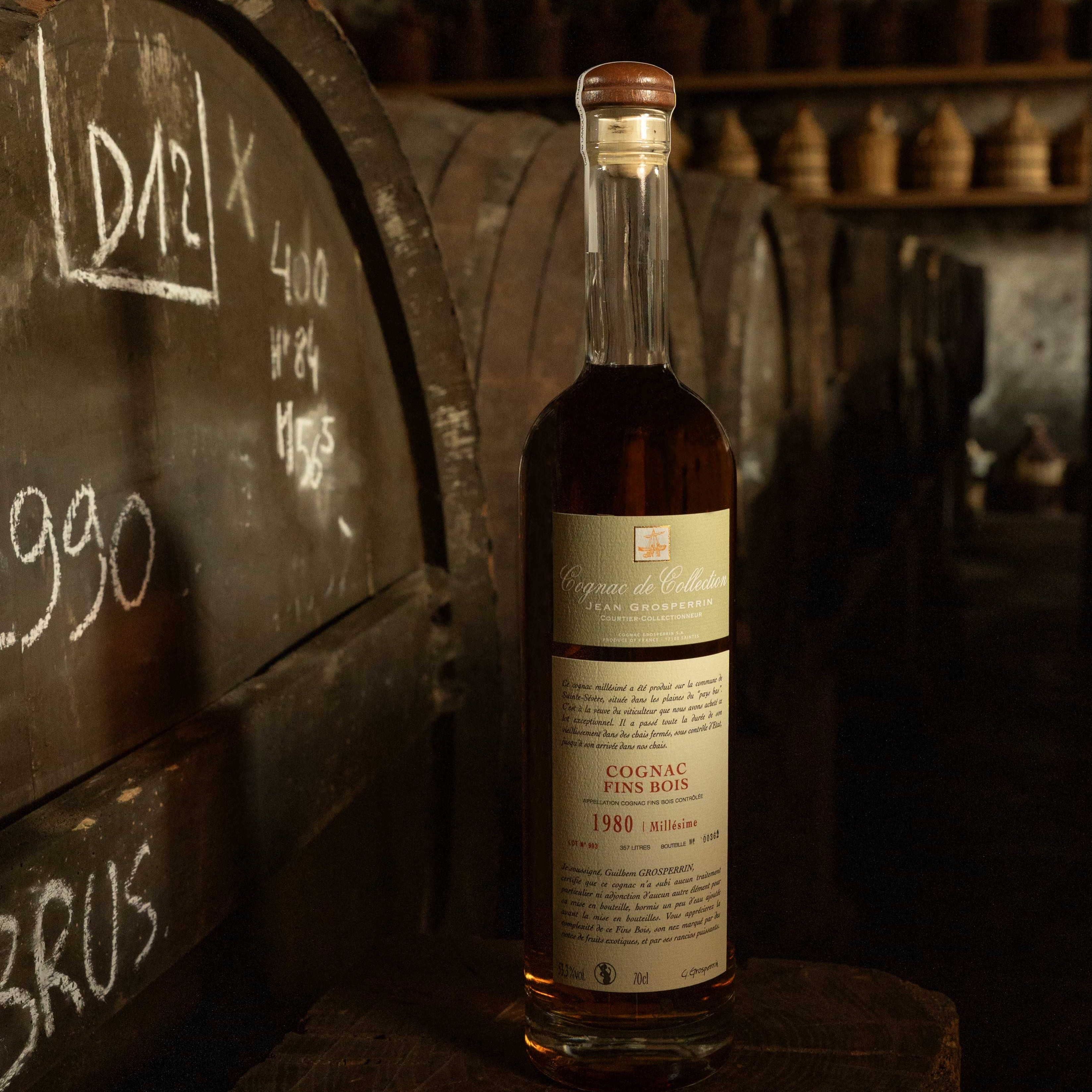
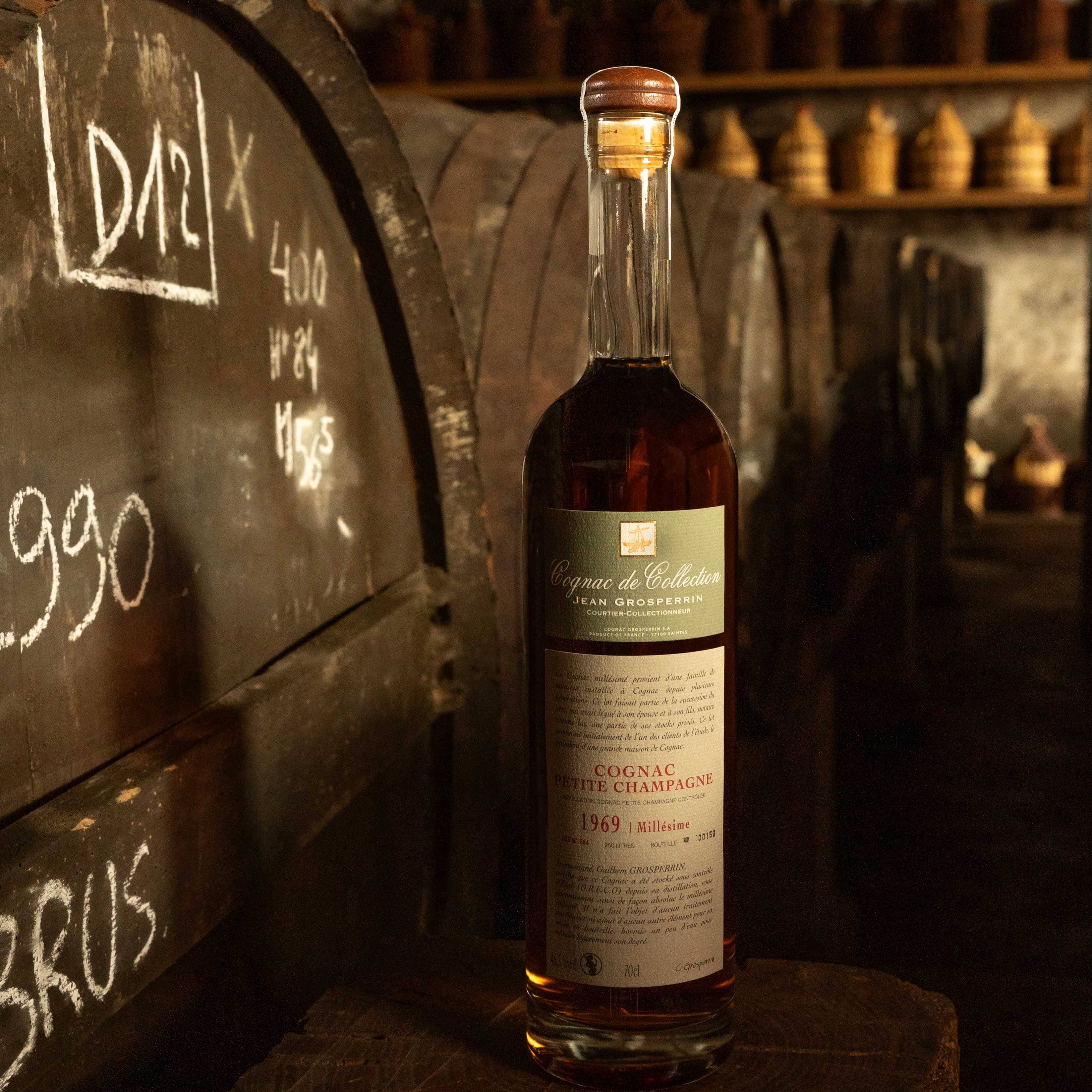
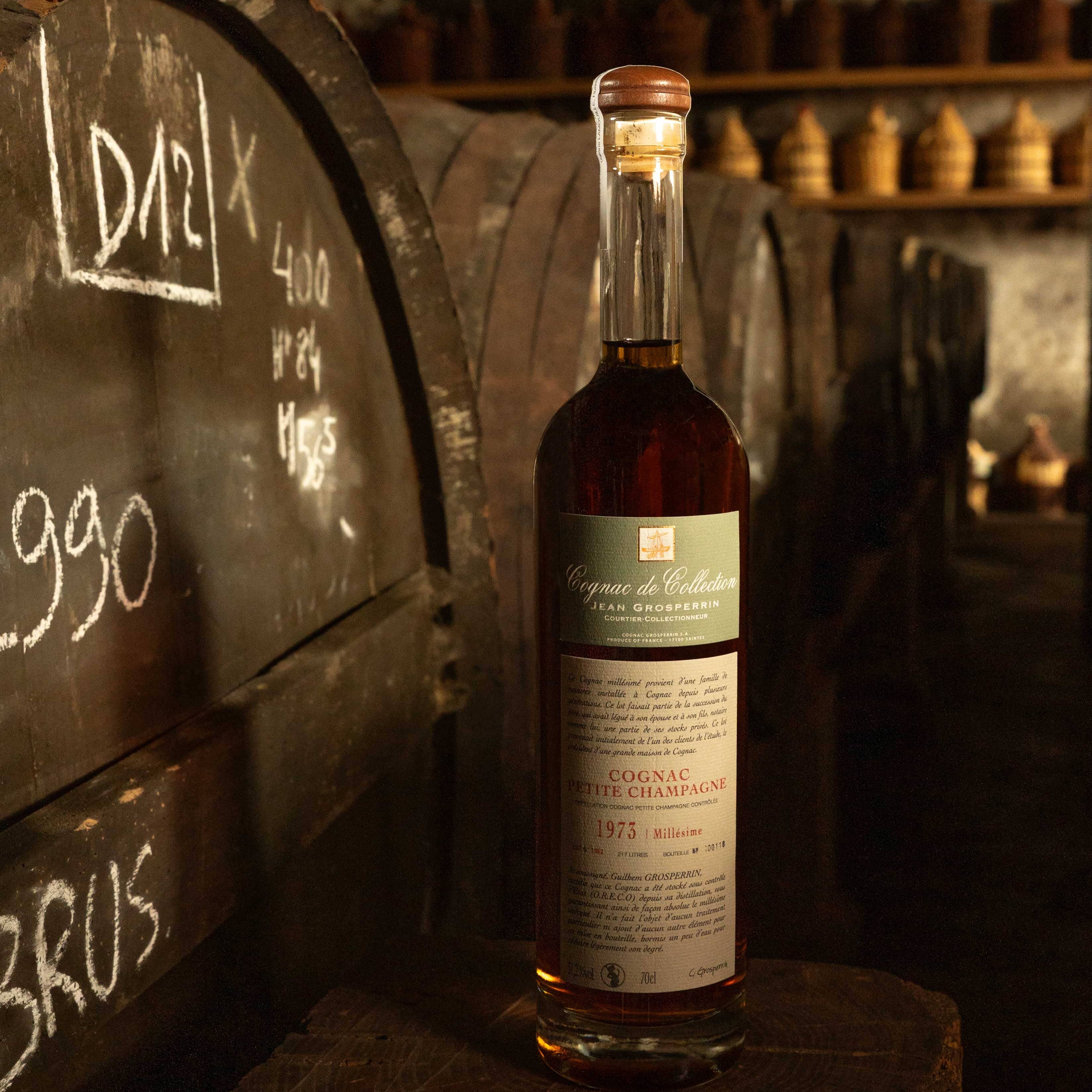
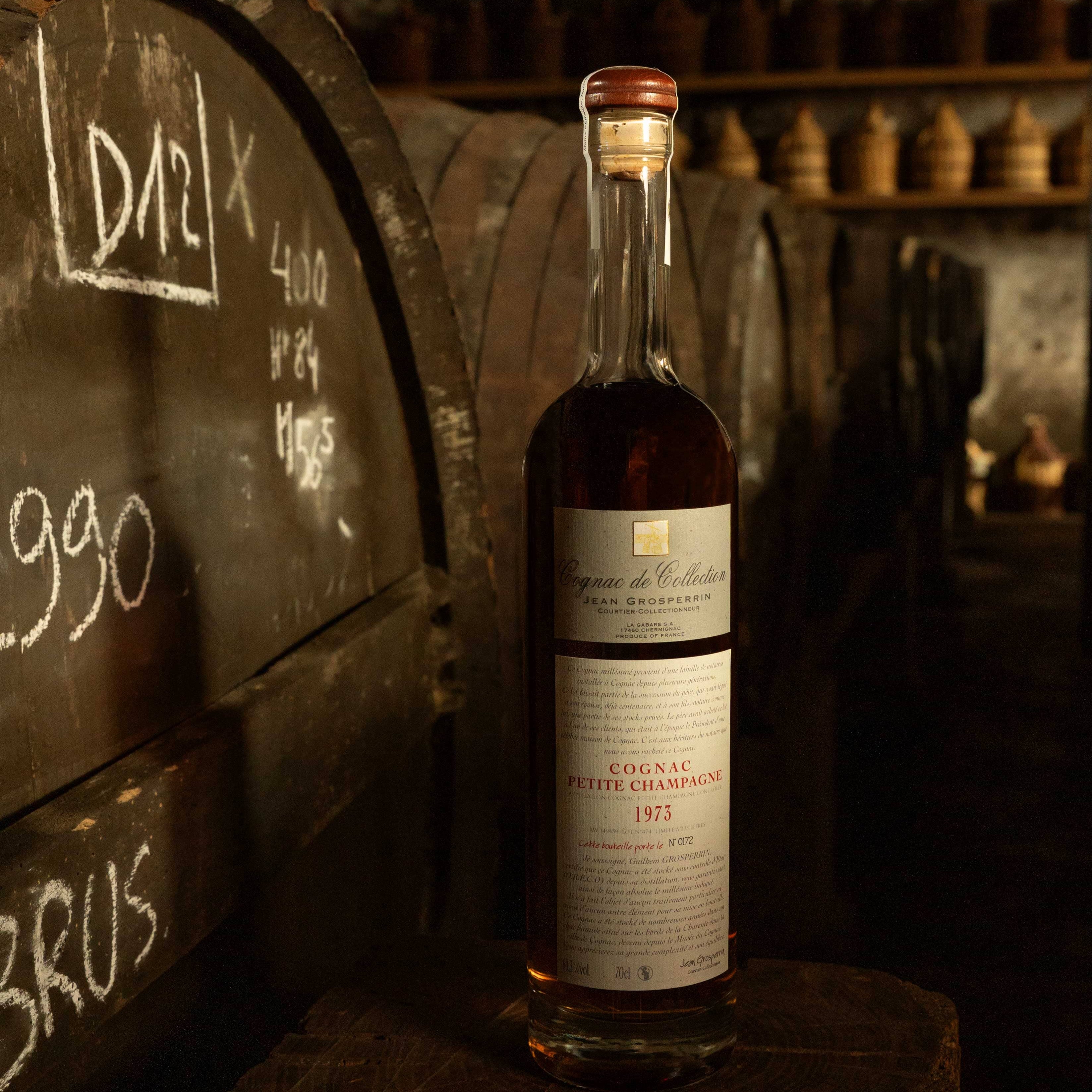
Cognac Grosperrin Vintage Fins Bois 1980 53.3° - 70cl
Couldn't load pickup availability
Description
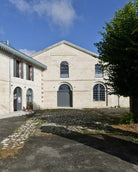
1980 Fins Bois vintage Cognac: The spirit of Grosperrin cognacs is based on the desire to bear witness to the Charentais heritage without artifice. Guilhem Grosperrin, a true cognac artisan, traverses the lands of the appellation every year in search of confidential lots and family heirlooms. In their restored 19th-century cellar in Saintes, the cognacs are raised like unique works of art, a faithful reflection of a terroir, a plot, a vintage, and a story. Where some blend lots from different origins to create quality products, Cognacs Grosperrin craft cognacs that are inherently unique and rare, recognizable above all others.
Production method: This vintage cognac comes from a small farm founded in 1930 by the father of the widow of the winegrower (who passed away in 2009) from whom we purchased this lot. This farm, located in the commune of Sainte-Sévère, lies on the border of the Fins Bois and Borderies crus, on clay-siliceous soil containing flint. Originally farmers, this family always managed to combine livestock farming, agriculture, and viticulture. Lacking a still, this winegrower sent his wines to be distilled every year by a professional distiller located a few kilometers from his farm. Due to lack of resources and in the context of a crisis in demand, the eaux-de-vie were placed for aging at the ORECO in very dry cellars (this cognac measured 67.5% ABV before reduction), where we found them after more than 40 years of aging. The year 1980 is etched in memories in Cognac for its very small harvest and the extreme cold that accompanied the harvest (the "mitten harvest," down to -10°C!).
Nose: Floral and taut, spicy notes, mahogany wood, warm flint, noble touch.
Palate: Lively and mineral, fruity and dry, very clear and elegant.
Finish: Long and peppery, rancio in formation, typical complexity of old Fins Bois.
With this 1980 Fins Bois vintage Cognac, you will discover a rare and invaluable experience, a reflection of the tradition and passion that drive the creation of every bottle.
Delivery and return
These products may interest you





FAQs
Pourquoi ces millésimes sont-ils recherchés ?
Comment les savourer ?
Dans un verre tulipe, après aération. Ils méritent une dégustation lente et respectueuse.
Quel profil en attendre ?
Fruits confits, cuir, rancio, cèdre, avec des finales très longues et souvent chaleureuses.